
old road (unmarked).
This 2-mile unmarked route follows what appears to be an old roadbed, likely a former logging or access road now used informally for hiking. Without blazes or maintained tread, navigation relies on reading the corridor itself—look for the wider clearing, subtle grade, and remnant ditching that distinguish old roads from footpaths.
- Good for snowshoeingNon-technical grade that carries a snowshoe track
- Peak foliage window — color starts up high and works down the valleys through mid-October.
Seasonal pattern for this trail · tops out ~1,522 ft · live closures appear above
- GroundSurface
Read the line before you walk it.
What the trailhead is doing today.
Where the hike begins.
Guides, outfitters & shuttles.
If you’re already out here.
Lake George.
The corner of the Park this trail calls home — its hamlets, waters, lodging, and the rest of its field record.
Read the Region→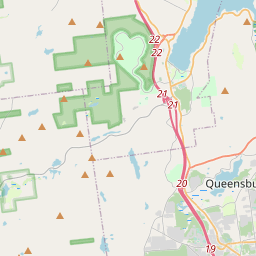
Make a weekend of it.
Closest editorial picks for a meal, a scoop, a pint, a bed, and a sight worth your time.
Eat.
4- Nettle Meadow at The Hitching Post4.4 mi
A tavern and dining spot tied to Nettle Meadow Farm, the noted goat-and-sheep creamery, serving farm-to-table fare in the Lake Luzerne area.
- The Olde Log Inn7.4 mi
American classics served in a log cabin with a stone fireplace & stuffed grizzly bear, plus a patio.
- Tommy Guns Pizzeria7.6 mi
Tommy Guns Pizzeria & Bar in Warrensburg, NY, serves delicious pizza, wings, and a variety of other dishes crafted from top-notch ingredients. It offers a cozy and inviting atmosphere, perfect for meals with family and friends or for hosti…
- Deli & Meat Store of the North7.6 mi
Deli & Meat Store of the North is a long-standing deli, meat market, and grocery store in Warrensburg, NY, known for its fresh meats, famous 18-inch subs, daily hot items, all-day breakfast, pizza, and catering services.
Sip.
3- Caffe Vero7.7 mi
Breakfast, baked goods, sandwiches & house-roasted coffee in a comfy, earth-toned cafe.
- ADK Blend20.0 mi
Northville smoothie & açaí-bowl spot in the Great Sacandaga Lake corridor.
- Uncle Carl's Coffee21.0 mi
Uncle Carl's Coffee serves expertly crafted coffees, artisan teas, pastries, and light savory bites. They also offer daily quiche and bagels, along with homemade soups, frozen meals, local meats, and cheeses.
Sweet.
4- Lake George Baking Company7.7 mi
A bakery with two locations in Queensbury and Lake George, offering custom cakes, breads, rolls, and the original Fudge Fancy. Off-season hours are Wednesday through Sunday, 8 a.m. to 3 p.m.
- Scoop's Ice Cream Parlor7.7 mi
Scoop's Ice Cream Parlor in Lake George offers ice cream and frozen yogurt at inexpensive prices. Located at 327 Canada St, it provides take-out service and accepts credit cards.
- Martha's Dandee Creme9.6 mi
The definitive gateway ice cream stand into the Adirondacks, marked by its towering rooster sign on Route 9 in Queensbury. Towering swirls of soft serve in dozens of handmade flavors plus a grill menu, spring through early fall.
- Cate's Creamery14.8 mi
The main ice cream spot in the heart of Bolton Landing village on Lake George's quieter west shore — soft serve, hand-dipped hard ice cream, and slushies, a short stroll from the lakefront.
Drink.
4- The Long Horn Restaurant & Pub4.7 mi
The Long Horn Restaurant Pub Lake Luzerne, The Long Horn Restaurant Pub Lake Luzerne Online ordering, online order accepting credit card, The Long Horn Restaurant Pub Fast, Relaxed, Healthy and stylish dining experience., Catering and Gi…
- George Henry's7.5 mi
A family-owned bar and grill on Main Street in Warrensburg doing made-to-order American grill plates, hearty steak and chicken specialties, local craft beer, and fresh-baked breads from area bakeries. No fast food.
- Adirondack Pub & Brewery7.6 mi
Comfortable brewpub offering craft beers & American comfort food amid rustic, lodge-style surrounds.
- Bandstand Brew Works7.6 mi
Bandstand Brew Works is a family-friendly brewpub in Warrensburg, NY, offering handcrafted beers, cocktails, and a diverse menu made with local ingredients. It's a community gathering spot known for live music, weekly events, and a vibrant…
Stay.
4- 1000 Acres Ranch Resort1.7 mi
Rustic, all-inclusive ranch-style resort set on a river offering horseback riding, dining & pools.
- Luzerne State Campground3.8 mi
Located on Fourth Lake in Lake Luzerne, this state campground provides 173 tent and trailer sites, along with dedicated facilities for campers traveling with horses.
- Huttopia Lake George - Adirondacks4.8 mi
Huttopia Lake George - Adirondacks is a vacation rental located in Lake Luzerne, just inside Adirondack Park. It serves as a basecamp for exploring the nearby mountains and Lake George Village.
- Luzerne Court Motel5.0 mi
A renovated roadside motel on Lake Avenue in Lake Luzerne, 7.5 miles south of Lake George and 25 miles north of Saratoga, with a seasonal pool, nightly campfires, and pet-friendly rooms.
See.
4- Tubby Tubes River Co.4.4 mi
An outfitter for lazy-river tubing on the Lower Hudson in Lake Luzerne, with guided trips, tubes, life jackets, and shuttle included. Ages 2 and up. Memorial Day Weekend through Labor Day.
- The Promise Gardens Estate of the Adirondacks5.3 mi
The Promise Gardens is the perfect wedding venue with gorgeous gardens, rustic barns and mountain views near Lake George and the Adirondacks.
- Revolution Rail Co. Thurman5.5 mi
A pedal-powered rail biking operation in Warrensburg on Route 418, with family-friendly tours rolling on disused railroad tracks through Adirondack forest and river corridors. Suitable for all ages and ability levels.
- House of Frankenstein Wax Museum7.6 mi
The House of Frankenstein Wax Museum in Lake George New York
Add to the record.
Free, takes thirty seconds. Yours forever.
Every page on this site gets better when readers contribute. Mark a peak you’ve climbed, drop a photo, file a field note, or flag a correction — every addition makes the next visitor’s page better.
File a report.
Trail conditions, water level, bug pressure, blowdown. The kind of detail that helps the next person plan.
Write a field note →Spot something off?
Wrong elevation, outdated access notes, a coordinate that's drifted. We'd rather hear it than miss it.
Suggest an edit →
Frequently asked.
- How long is the old road (unmarked)?The old road (unmarked) is approximately 1.98 miles (3.2 kilometers) — a short out-and-back suitable for most fitness levels.
- How long does it take to hike the old road (unmarked)?Most hikers complete the old road (unmarked) in about 1 hour 15 minutes at a steady pace with roughly 577 feet of elevation gain. Allow extra time for rest stops, photos, weather, and trail conditions.
- How difficult is the old road (unmarked)?Based on its length and elevation gain, the old road (unmarked) is a moderate hike (577 ft of climbing over the route) — steady climbing that rewards a reasonable base of fitness. This is an estimate from route data, not an official trail rating — check current DEC advisories before heading out.