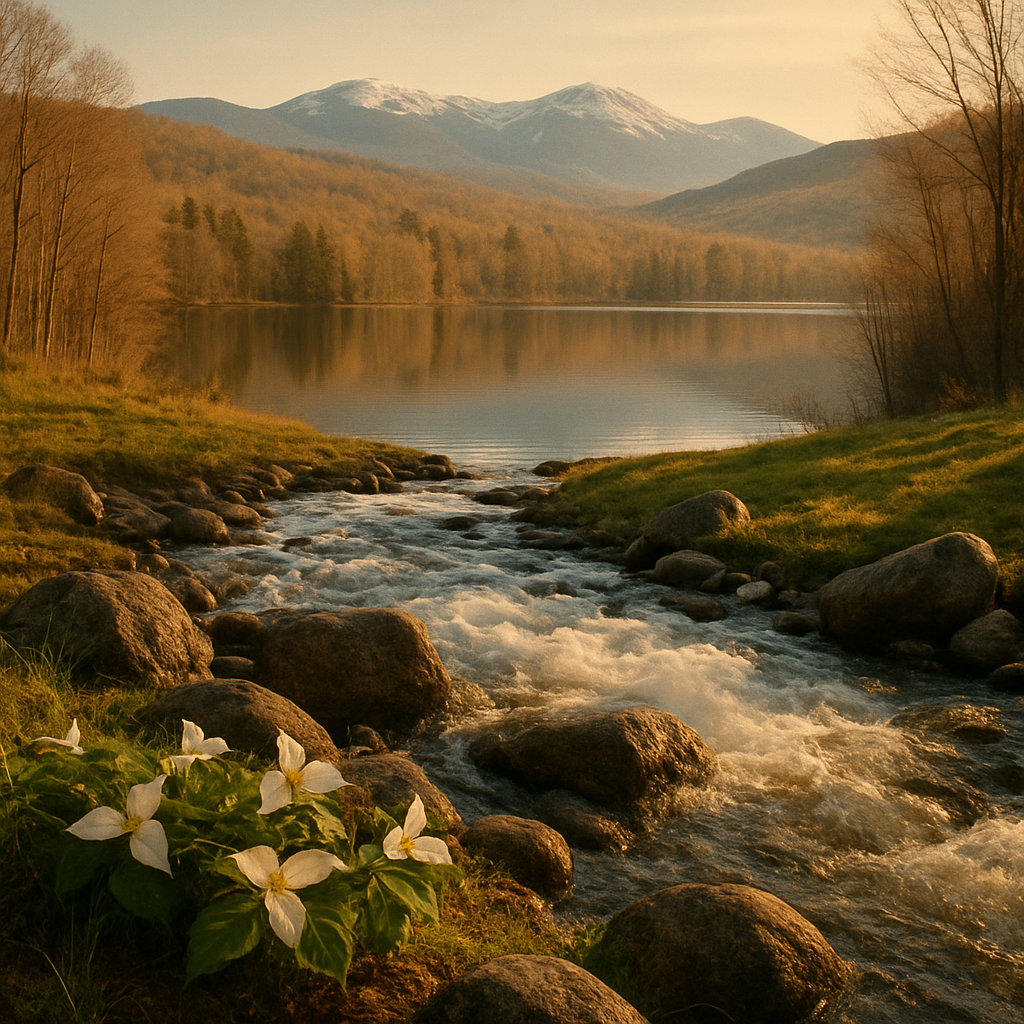
Great Sacandaga & southern
Intermediate
Species:
Abner Brook — Great Sacandaga Lake region, Adirondack Park.
Great Sacandaga & southern
Intermediate
Species:
Abner Brook — Great Sacandaga Lake region, Adirondack Park.
Lake George region
Intermediate
Species:
Adams Brook — Brant Lake region, Adirondack Park.
Old Forge & Fulton Chain
Intermediate
Species:
Adirondack High School Pond — Old Forge region, Adirondack Park.
Champlain Valley
Intermediate
Species:
Indian Lake & central
Intermediate
Species:
Airdwood Lake — Speculator region, Adirondack Park.
Old Forge & Fulton Chain
Intermediate
Species:
Airport Pond — Old Forge region, Adirondack Park.
Great Sacandaga & southern
Intermediate
Species:
Albia Pond — Great Sacandaga Lake region, Adirondack Park.
Saranac region
Intermediate
Species:
Alder Brook — Saranac Lake region, Adirondack Park.
Tupper & Long Lake
Intermediate
Species:
Alder Brook — Tupper Lake region, Adirondack Park.
Indian Lake & central
Intermediate
Species:
Alder Brook — Speculator region, Adirondack Park.
Lake George region
Intermediate
Species:
Alder Brook — Brant Lake region, Adirondack Park.
Indian Lake & central
Intermediate
Species:
Alder Brook Lake — Speculator region, Adirondack Park.
Old Forge & Fulton Chain
Intermediate
Species:
Alder Creek — Old Forge region, Adirondack Park.
Great Sacandaga & southern
Intermediate
Species:
Alder Creek — Great Sacandaga Lake region, Adirondack Park.
Old Forge & Fulton Chain
Intermediate
Species:
Alder Creek — Raquette Lake region, Adirondack Park.
Old Forge & Fulton Chain
Intermediate
Species:
Alder Creek — Raquette Lake region, Adirondack Park.
Great Sacandaga & southern
Intermediate
Species:
Alder Creek — Great Sacandaga Lake region, Adirondack Park.
Champlain Valley
Intermediate
Species:
Alder Creek — Paradox Lake region, Adirondack Park.
Champlain Valley
Intermediate
Species:
At 32 acres and a maximum depth of 6 feet, this is wading-pool shallow—mean depth just 2 feet. Bring a canoe or kayak, not a motorboat, and watch your paddle in the shallows. Public access keeps it available, but the depth keeps it quiet. You won't find trout here, but you will find solitude that the deeper Paradox Lake waters can't match in summer.
Old Forge & Fulton Chain
Intermediate
Species:
Alder Pond — Old Forge region, Adirondack Park.
Indian Lake & central
Intermediate
Species:
This small stream in the Indian Lake region draws anglers and paddlers looking for something narrower and wilder than the big lakes nearby. Public access keeps it reachable without a long bushwhack. The fishing and flow depend entirely on season and recent rain, so it's worth calling ahead or checking conditions before you commit the drive.
Lake Placid & Wilmington
Intermediate
Species:
Alford Pond — Lake Placid region, Adirondack Park.
Lake Placid & Wilmington
Intermediate
Species:
Allen Brook — Lake Placid region, Adirondack Park.
Tupper & Long Lake
Intermediate
Species:
Allen Falls Reservoir — Tupper Lake region, Adirondack Park.
Tupper & Long Lake
Intermediate
Species:
Allen Pond — Tupper Lake region, Adirondack Park.
Lake George region
Intermediate
Species:
Alligator Pond — Brant Lake region, Adirondack Park.
Old Forge & Fulton Chain
Intermediate
Species:
Aluminum Pond — Raquette Lake region, Adirondack Park.
Champlain Valley
Intermediate
Species:
Indian Lake & central
Intermediate
Species:
Amos Lake — Speculator region, Adirondack Park.
Tupper & Long Lake
Intermediate
Species:
Ampersand Brook — Tupper Lake region, Adirondack Park.
Champlain Valley
Intermediate
Species:
Lake George region
Intermediate
Species:
Andrew Brook — Schroon Lake region, Adirondack Park.
Champlain Valley
Intermediate
Species:
Public access and a manageable size make this pond an easy option when you want to be on the water without drama. It won't give you the acreage or shoreline complexity of bigger destinations, but that's the point. Launch, paddle, fish or drift without fighting for a parking spot or dodging pontoon boats. Simple water for days when simple is what you're after.
Old Forge & Fulton Chain
Intermediate
Species:
Andys Creek — Raquette Lake region, Adirondack Park.
Tupper & Long Lake
Intermediate
Species:
Antediluvian Pond — Long Lake region, Adirondack Park.
Great Sacandaga & southern
Intermediate
Species:
Anthony Creek — Great Sacandaga Lake region, Adirondack Park.
Lake George region
Intermediate
Species:
Antler Lake — Brant Lake region, Adirondack Park.
Tupper & Long Lake
Intermediate
Species:
Arbuckle Pond — Tupper Lake region, Adirondack Park.
Tupper & Long Lake
Intermediate
Species:
Arbutus Pond — Long Lake region, Adirondack Park.
Great Sacandaga & southern
Intermediate
Species:
Archer Vly — Great Sacandaga Lake region, Adirondack Park.
Champlain Valley
Intermediate
Species:
Arnold Brook — Keene region, Adirondack Park.
Champlain Valley
Intermediate
Species:
Arnold Brook — Keene region, Adirondack Park.
Champlain Valley
Intermediate
Species:
Tupper & Long Lake
Intermediate
Species:
Arquett Pond — Tupper Lake region, Adirondack Park.
Champlain Valley
Intermediate
Species:
Ash Craft Brook — Keene region, Adirondack Park.
Champlain Valley
Intermediate
Species:
Ash Craft Pond — Keene region, Adirondack Park.
Great Sacandaga & southern
Intermediate
Species:
Ash Pond — Great Sacandaga Lake region, Adirondack Park.
Tupper & Long Lake
Intermediate
Species:
Ash Pond — Tupper Lake region, Adirondack Park.
Old Forge & Fulton Chain
Intermediate
Species:
Atwood Lake — Old Forge region, Adirondack Park.
Champlain Valley
Intermediate
Species:
At 377 acres, this lake offers enough water to stretch your legs without the crowds that pack similarly sized destinations closer to Lake George. Public access gets you on the water without drama. You can spend a full day here and still find shoreline you haven't seen.
Champlain Valley
Intermediate
Species:
Ausable River — Keene region, Adirondack Park.
Champlain Valley
Intermediate
Species:
Ausable River — Keene region, Adirondack Park.
Champlain Valley
Intermediate
Species:
Ausable River — Keene region, Adirondack Park.
Champlain Valley
Intermediate
Species:
Ausable River — Keene region, Adirondack Park.
Lake George region
Intermediate
Species:
Austin Pond — Brant Lake region, Adirondack Park.
Lake Placid & Wilmington
Intermediate
Species:
Iconic alpine lake wedged between Avalanche Mountain and Mount Colden, reached via the Avalanche Pass trail from Adirondak Loj. Hike-in only, with the famous "Hitch-Up Matildas" plank walks along the cliffs. No fishing of note; pure scenic destination for High Peaks hikers.
Great Sacandaga & southern
Intermediate
Species:
At 84 acres, this is small water with public access in a region dominated by the sprawling Great Sacandaga reservoir. The launch puts you on a lake quiet enough for a morning paddle without fighting weekend boat traffic. It fishes, though the specifics turn with the season and what the DEC last stocked. If you want elbow room without driving to the deeper wilderness, it delivers.
Champlain Valley
Intermediate
Species:
Babbe Pond — Keene region, Adirondack Park.
Old Forge & Fulton Chain
Intermediate
Species:
Baby Lake — Old Forge region, Adirondack Park.
Lake George region
Intermediate
Species:
7 acres and public access make this one of the quieter put-ins near Lake George, where most of the water runs big and crowded. You can paddle the perimeter in an hour and still have shoreline left to explore. The size works in your favor if you're after solitude in a region that doesn't give it up easily.
Champlain Valley
Intermediate
Species:
Saranac region
Intermediate
Species:
Baker Pond — Saranac Lake region, Adirondack Park.
Saranac region
Intermediate
Species:
Baker Pond — Saranac Lake region, Adirondack Park.
Old Forge & Fulton Chain
Intermediate
Species:
At 6 acres and 16 feet deep, this is pocket water for a quick morning paddle when the Fulton Chain feels too big or too busy. The mean depth of 6.6 feet means it warms early and stays warm through summer. Public access keeps it simple to reach, and you'll be off the water in under two hours even if you hug every inch of shoreline.
Champlain Valley
Intermediate
Species:
Great Sacandaga & southern
Intermediate
Species:
Ballston Spa Reservoir — Great Sacandaga Lake region, Adirondack Park.
Great Sacandaga & southern
Intermediate
Species:
Ballston Spa Reservoir — Great Sacandaga Lake region, Adirondack Park.
Indian Lake & central
Intermediate
Species:
A small stream in the Indian Lake region with public access off the main road. The name suggests old-growth poplar once lined the banks, though what you'll find now is typical Adirondack riparian cover. Worth a stop if you're passing through and want to wet a line in moving water, but it's not a destination brook on its own.
Tupper & Long Lake
Intermediate
Species:
Balsam Pond — Tupper Lake region, Adirondack Park.
Champlain Valley
Intermediate
Species:
Lake George region
Intermediate
Species:
Barkley Pond — Lake George region, Adirondack Park.
Old Forge & Fulton Chain
Intermediate
Species:
Barnes Lake — Old Forge region, Adirondack Park.
Champlain Valley
Intermediate
Species:
Champlain Valley
Intermediate
Species:
Tupper & Long Lake
Intermediate
Species:
Barney Pond — Tupper Lake region, Adirondack Park.
Saranac region
Intermediate
Species:
Barnum Pond — Saranac Lake region, Adirondack Park.
Champlain Valley
Intermediate
Species:
Lake Placid & Wilmington
Intermediate
Species:
Bartlett Pond — Lake Placid region, Adirondack Park.
Saranac region
Intermediate
Species:
Bartlett Pond — Saranac Lake region, Adirondack Park.
Indian Lake & central
Intermediate
Species:
Barto Lake — Speculator region, Adirondack Park.
Champlain Valley
Intermediate
Species:
Basin Brook — Keene region, Adirondack Park.
Champlain Valley
Intermediate
Species:
Bass Lake — Paradox Lake region, Adirondack Park.
Saranac region
Intermediate
Species:
A 27-foot hole in the middle of 10 acres makes this one of the deeper ponds per surface acre in the Saranac Lake region. The mean depth sits at 13.1 feet, so it's not just a single pothole. Public access keeps it fishable year-round, and the small size means you can work the whole basin in an afternoon without a motor.
Old Forge & Fulton Chain
Intermediate
Species:
Bassout Pond — Raquette Lake region, Adirondack Park.
Great Sacandaga & southern
Intermediate
Species:
Batcheller Creek — Great Sacandaga Lake region, Adirondack Park.
Champlain Valley
Intermediate
Species:
Lake George region
Intermediate
Species:
Batten Kill — Lake George region, Adirondack Park.
Lake George region
Intermediate
Species:
Batten Kill — Lake George region, Adirondack Park.
Lake George region
Intermediate
Species:
Batten Kill — Lake George region, Adirondack Park.
Tupper & Long Lake
Intermediate
Species:
Bay Pond — Tupper Lake region, Adirondack Park.
Lake Placid & Wilmington
Intermediate
Species:
Bear Brook — Lake Placid region, Adirondack Park.
Champlain Valley
Intermediate
Species:
Bear Brook — Keene region, Adirondack Park.
Great Sacandaga & southern
Intermediate
Species:
Bear Creek — Great Sacandaga Lake region, Adirondack Park.
Indian Lake & central
Intermediate
Species:
Bear Lake — Speculator region, Adirondack Park.
Old Forge & Fulton Chain
Intermediate
Species:
Bear Lake — Old Forge region, Adirondack Park.
Old Forge & Fulton Chain
Intermediate
Species:
Bear Lake — Old Forge region, Adirondack Park.
Tupper & Long Lake
Intermediate
Species:
Bear Mountain Flow — Tupper Lake region, Adirondack Park.
Saranac region
Intermediate
Species:
Bear Pond — Saranac Lake region, Adirondack Park.
Old Forge & Fulton Chain
Intermediate
Species:
Bear Pond — Old Forge region, Adirondack Park.
Old Forge & Fulton Chain
Intermediate
Species:
Bear Pond — Raquette Lake region, Adirondack Park.
Lake George region
Intermediate
Species:
Bear Pond — Lake George region, Adirondack Park.
Tupper & Long Lake
Intermediate
Species:
Bear Pond — Tupper Lake region, Adirondack Park.
Old Forge & Fulton Chain
Intermediate
Species:
Bear Pond — Old Forge region, Adirondack Park.
Tupper & Long Lake
Intermediate
Species:
A shallow 132-acre pond in the Long Lake region, Bear Pond maxes out at 27 feet and averages just under 11. That profile warms the water faster than the deeper ponds nearby, which makes it better for swimming in June but can turn the fishing off by mid-July. Public access keeps it simple.
Champlain Valley
Intermediate
Species:
Bear Pond — Paradox Lake region, Adirondack Park.
Lake George region
Intermediate
Species:
Bear Pond — Lake George region, Adirondack Park.
Old Forge & Fulton Chain
Intermediate
Species:
Bear Pond — Raquette Lake region, Adirondack Park.
Saranac region
Intermediate
Species:
Small backcountry pond in the St. Regis Canoe Area, accessible only via carry from St. Regis Pond or Bog Pond. Native brook trout; primitive campsites. Light pressure even in peak season.
Champlain Valley
Intermediate
Species:
Beaver Brook — Keene region, Adirondack Park.
Lake George region
Intermediate
Species:
Beaver Brook — Lake George region, Adirondack Park.
Indian Lake & central
Intermediate
Species:
Beaver Brook — Indian Lake region, Adirondack Park.
Lake George region
Intermediate
Species:
Beaver Brook — Lake George region, Adirondack Park.
Champlain Valley
Intermediate
Species:
Beaver Brook — Blue Mountain Lake region, Adirondack Park.
Tupper & Long Lake
Intermediate
Species:
Beaver Brook — Tupper Lake region, Adirondack Park.
Old Forge & Fulton Chain
Intermediate
Species:
Beaver Brook — Raquette Lake region, Adirondack Park.
Tupper & Long Lake
Intermediate
Species:
Beaver Brook — Long Lake region, Adirondack Park.
Tupper & Long Lake
Intermediate
Species:
Beaver Creek — Tupper Lake region, Adirondack Park.
Tupper & Long Lake
Intermediate
Species:
Beaver Creek — Tupper Lake region, Adirondack Park.
Tupper & Long Lake
Intermediate
Species:
Beaver Flow — Long Lake region, Adirondack Park.
Tupper & Long Lake
Intermediate
Species:
Beaver Lake — Tupper Lake region, Adirondack Park.
Champlain Valley
Intermediate
Species:
Saranac region
Intermediate
Species:
Beaver Pond — Saranac Lake region, Adirondack Park.
Tupper & Long Lake
Intermediate
Species:
A 3-acre pond with public access in the Long Lake region, small enough to paddle in an hour and quiet enough that you'll likely have it to yourself. The size works in your favor here—while the bigger lakes nearby collect the crowds, Beaver Pond stays empty. Launch, circle the shoreline, and you're done before lunch, which is exactly the point when you want solitude without the commitment.
Old Forge & Fulton Chain
Intermediate
Species:
5 acres with public access, and that's the point. When the Fulton Chain is choked with pontoon boats and the Old Forge launch looks like a marina, Beaver Pond is where you go for an hour of actual quiet. The size works in your favor: you can fish the whole thing in a morning or paddle it twice before lunch without burning the day.
Lake George region
Intermediate
Species:
Beaver Pond — Lake George region, Adirondack Park.
Indian Lake & central
Intermediate
Species:
Beaver Pond — Speculator region, Adirondack Park.
Lake George region
Intermediate
Species:
Beaver Pond — Brant Lake region, Adirondack Park.
Indian Lake & central
Intermediate
Species:
At 8 acres, this is a put-in-and-paddle-around pond, not a destination paddle. Public access keeps it convenient for a spontaneous hour on the water when you're already in the Speculator area. You'll circle the shoreline in 20 minutes if you're moving. Good for testing a new boat or killing time before dinner, but don't drive out of your way.
Saranac region
Intermediate
Species:
Beaver Pond — Saranac Lake region, Adirondack Park.
Lake George region
Intermediate
Species:
Beaver Pond — Lake George region, Adirondack Park.
Tupper & Long Lake
Intermediate
Species:
Six feet at its deepest, 20 acres, and a mean depth that barely clears 3 feet—this is warm-water paddling, not a place to fish for anything cold-loving. The shallows heat fast in summer, which means good habitat for bass and panfish if they're in here, but you'll be poling more than stroking if the water's down. Public access keeps it available, and the intimate scale works in your favor: you can explore the whole thing in an hour and still have time to try the deeper corners where the bottom drops those extra couple of feet.
Indian Lake & central
Intermediate
Species:
Beaver Ponds — Indian Lake region, Adirondack Park.
Old Forge & Fulton Chain
Intermediate
Species:
Beaver River — Old Forge region, Adirondack Park.
Old Forge & Fulton Chain
Intermediate
Species:
Beaver River — Old Forge region, Adirondack Park.
Old Forge & Fulton Chain
Intermediate
Species:
Beaver River — Raquette Lake region, Adirondack Park.
Old Forge & Fulton Chain
Intermediate
Species:
Beaver River — Old Forge region, Adirondack Park.
Old Forge & Fulton Chain
Intermediate
Species:
Beaver River — Old Forge region, Adirondack Park.
Old Forge & Fulton Chain
Intermediate
Species:
Beaver River — Raquette Lake region, Adirondack Park.
Old Forge & Fulton Chain
Intermediate
Species:
Don't let the name fool you—this is a 4-acre pond near Old Forge, not a river. You can paddle the entire shoreline in under an hour, which makes it perfect for a morning warmup or an evening glass-off when the bigger waters are too windy. Public access keeps it simple. If you want solitude without the commitment of a through-paddle, this is your water.
Lake George region
Intermediate
Species:
Beaverdam Brook — Lake George region, Adirondack Park.
Old Forge & Fulton Chain
Intermediate
Species:
Beaverdam Pond — Raquette Lake region, Adirondack Park.
Great Sacandaga & southern
Intermediate
Species:
Beecher Creek — Great Sacandaga Lake region, Adirondack Park.
Champlain Valley
Intermediate
Species:
Beede Brook — Keene region, Adirondack Park.
Tupper & Long Lake
Intermediate
Species:
Belden Lake — Long Lake region, Adirondack Park.
Old Forge & Fulton Chain
Intermediate
Species:
Belfort Pond — Old Forge region, Adirondack Park.
Great Sacandaga & southern
Intermediate
Species:
Bell Brook — Great Sacandaga Lake region, Adirondack Park.
Champlain Valley
Intermediate
Species:
Indian Lake & central
Intermediate
Species:
Bell Mountain Pond — Indian Lake region, Adirondack Park.
Great Sacandaga & southern
Intermediate
Species:
Bellows Lake — Great Sacandaga Lake region, Adirondack Park.
Old Forge & Fulton Chain
Intermediate
Species:
Benedict Creek — Raquette Lake region, Adirondack Park.
Great Sacandaga & southern
Intermediate
Species:
Bennett Lake — Great Sacandaga Lake region, Adirondack Park.
Lake George region
Intermediate
Species:
Bennett Pond — Brant Lake region, Adirondack Park.
Champlain Valley
Intermediate
Species:
Bennies Brook — Keene region, Adirondack Park.
Tupper & Long Lake
Intermediate
Species:
Bens Pond — Tupper Lake region, Adirondack Park.
Tupper & Long Lake
Intermediate
Species:
Benson Mines — Tupper Lake region, Adirondack Park.
Old Forge & Fulton Chain
Intermediate
Species:
Benton Pond — Old Forge region, Adirondack Park.
Tupper & Long Lake
Intermediate
Species:
Benz Pond — Tupper Lake region, Adirondack Park.
Lake George region
Intermediate
Species:
Berry Pond — Lake George region, Adirondack Park.
Lake George region
Intermediate
Species:
Berry Pond Brook — Lake George region, Adirondack Park.
Lake George region
Intermediate
Species:
Berry Pond Creek — Lake George region, Adirondack Park.
Champlain Valley
Intermediate
Species:
Berrymill Pond — Paradox Lake region, Adirondack Park.
Tupper & Long Lake
Intermediate
Species:
Bessie Pond — Tupper Lake region, Adirondack Park.
Tupper & Long Lake
Intermediate
Species:
Bettner Ponds — Long Lake region, Adirondack Park.
Tupper & Long Lake
Intermediate
Species:
Bettner Ponds — Long Lake region, Adirondack Park.
Indian Lake & central
Intermediate
Species:
Big Alderbed — Speculator region, Adirondack Park.
Indian Lake & central
Intermediate
Species:
Big Bad Luck Pond — Indian Lake region, Adirondack Park.
Indian Lake & central
Intermediate
Species:
Big Bay — Speculator region, Adirondack Park.
Old Forge & Fulton Chain
Intermediate
Species:
Big Bill Brook — Old Forge region, Adirondack Park.
Indian Lake & central
Intermediate
Species:
Big Bill Brook — Speculator region, Adirondack Park.
Champlain Valley
Intermediate
Species:
Big Brook — Keene region, Adirondack Park.
Tupper & Long Lake
Intermediate
Species:
Big Brook — Long Lake region, Adirondack Park.
Indian Lake & central
Intermediate
Species:
Big Brook — Indian Lake region, Adirondack Park.
Indian Lake & central
Intermediate
Species:
Big Brook — Speculator region, Adirondack Park.
Lake Placid & Wilmington
Intermediate
Species:
Big Cherrypatch Pond — Lake Placid region, Adirondack Park.
Lake George region
Intermediate
Species:
Big Creek — Lake George region, Adirondack Park.
Old Forge & Fulton Chain
Intermediate
Species:
Big Creek — Old Forge region, Adirondack Park.
Old Forge & Fulton Chain
Intermediate
Species:
Big Deer Pond — Raquette Lake region, Adirondack Park.
Champlain Valley
Intermediate
Species:
Saranac region
Intermediate
Species:
Big Duck Pond — Saranac Lake region, Adirondack Park.
Old Forge & Fulton Chain
Intermediate
Species:
Big Five — Raquette Lake region, Adirondack Park.
Champlain Valley
Intermediate
Species:
Big Lock Pond — Paradox Lake region, Adirondack Park.
Champlain Valley
Intermediate
Species:
At 14 feet deep and averaging under 5, this 26-acre pond is more marsh than lake. It warms fast in spring, which makes it decent for early paddling but limits what swims below. Public access keeps it available, though you're here for a quiet float, not a fishing trip. Skip it if you want depth or cold-water species.
Indian Lake & central
Intermediate
Species:
Big Metcalf Lake — Speculator region, Adirondack Park.
Old Forge & Fulton Chain
IntermediateDEC stocked
Species: Lake trout, Smallmouth bass, Brook trout
1,268 acres and 70 feet deep in the Old Forge region — cold enough for lake trout where the Fulton Chain neighbors run too shallow and too crowded. Smallmouth bass on the rock edges, brook trout in the cold inflows, and lakers in the deep basin through summer. Public access with shoreline lodging that's been there for a century. Intermediate water that gives up trophy fish to anglers willing to fish deep and stay off the popular launches.
Champlain Valley
Intermediate
Species:
Lake George region
Intermediate
Species:
Big Pond — Schroon Lake region, Adirondack Park.
Champlain Valley
Intermediate
Species:
Public access opens up a small, winding stream in the Paradox Lake region that fishes and paddles like the Adirondacks used to. Big Sally Brook won't give you the acreage of Paradox Lake itself, but that's the point. Come here when you want intimate water and fewer shoulders at the put-in.
Old Forge & Fulton Chain
Intermediate
Species:
Big Shallow — Raquette Lake region, Adirondack Park.
Lake George region
Intermediate
Species:
Big Sherman Pond — Schroon Lake region, Adirondack Park.
Champlain Valley
Intermediate
Species:
Public access sets Bigsby Pond apart in a region where shoreline gates and private clubs still lock up plenty of water. You can launch here without asking permission or checking a membership list. The pond won't surprise you with dramatic depth or trophy fish, but it delivers exactly what it promises: a place to paddle or cast a line without the fuss. Show up, put in, and fish or float.
Indian Lake & central
Intermediate
Species:
Bill's Pond — Speculator region, Adirondack Park.
Champlain Valley
Intermediate
Species:
Birch Pond — Keene region, Adirondack Park.
Champlain Valley
Intermediate
Species:
Black Brook — Keene region, Adirondack Park.
Champlain Valley
Intermediate
Species:
Black Brook — Keene region, Adirondack Park.
Indian Lake & central
Intermediate
Species:
Black Cat Lake — Speculator region, Adirondack Park.
Old Forge & Fulton Chain
Intermediate
Species:
Black Creek — Old Forge region, Adirondack Park.
Lake George region
Intermediate
Species:
Black Creek — Lake George region, Adirondack Park.
Tupper & Long Lake
Intermediate
Species:
Black Creek — Tupper Lake region, Adirondack Park.
Lake George region
Intermediate
Species:
Black Creek — Lake George region, Adirondack Park.
Indian Lake & central
Intermediate
Species:
Black Creek — Speculator region, Adirondack Park.
Tupper & Long Lake
Intermediate
Species:
Black Creek — Tupper Lake region, Adirondack Park.
Old Forge & Fulton Chain
Intermediate
Species:
Black Creek — Old Forge region, Adirondack Park.
Champlain Valley
Intermediate
Species:
Indian Lake & central
Intermediate
Species:
Black Creek Lake — Speculator region, Adirondack Park.
Indian Lake & central
Intermediate
Species:
Black Mountain Brook — Indian Lake region, Adirondack Park.
Lake George region
Intermediate
Species:
Black Mountain Ponds — Brant Lake region, Adirondack Park.
Indian Lake & central
Intermediate
Species:
Black Mountain Ponds — Indian Lake region, Adirondack Park.
Lake George region
Intermediate
Species:
Black Pond — Lake George region, Adirondack Park.
Tupper & Long Lake
Intermediate
Species:
Black Pond — Tupper Lake region, Adirondack Park.
Lake Placid & Wilmington
Intermediate
Species:
Black Pond — Lake Placid region, Adirondack Park.
Saranac region
Intermediate
Species:
Black Pond — Saranac Lake region, Adirondack Park.
Great Sacandaga & southern
Intermediate
Species:
At 36 feet deep, Black Pond drops hard for a 63-acre pond with a mean depth under 8 feet. That tells you the bottom: mostly shallow flats with a sudden hole somewhere. Public access gets you in, and the Great Sacandaga Lake region location means you'll have more elbow room than the busier waters to the north.
Tupper & Long Lake
Intermediate
Species:
Black Pond — Tupper Lake region, Adirondack Park.
Tupper & Long Lake
Intermediate
Species:
Black Pond — Long Lake region, Adirondack Park.
Saranac region
Intermediate
Species:
Black Pond — Saranac Lake region, Adirondack Park.
Saranac region
Intermediate
Species:
Black Pond — Saranac Lake region, Adirondack Park.
Tupper & Long Lake
Intermediate
Species:
A 19-acre pond near Tupper Lake that plunges to 30 feet in spots despite averaging just 7.5 feet across the bottom. That depth variation creates real structure in a small package. Public access keeps it reachable, and the size keeps it empty when the bigger lakes fill up on summer weekends.
Old Forge & Fulton Chain
Intermediate
Species:
Major river draining the southwestern Park, flowing through Old Forge and the Forestport area before exiting at Lyons Falls. Whitewater paddling above Lyons Falls; brown trout fishery in the tailwater sections.
Old Forge & Fulton Chain
Intermediate
Species:
Black River — Old Forge region, Adirondack Park.
Old Forge & Fulton Chain
Intermediate
Species:
Black River — Old Forge region, Adirondack Park.
Old Forge & Fulton Chain
Intermediate
Species:
Black River — Old Forge region, Adirondack Park.
Old Forge & Fulton Chain
Intermediate
Species:
Black River — Old Forge region, Adirondack Park.
Old Forge & Fulton Chain
Intermediate
Species:
Black River — Old Forge region, Adirondack Park.
Old Forge & Fulton Chain
Intermediate
Species:
Black River — Old Forge region, Adirondack Park.
Champlain Valley
Intermediate
Species:
Black River — Keene region, Adirondack Park.
Old Forge & Fulton Chain
Intermediate
Species:
Black River Canal — Old Forge region, Adirondack Park.
Old Forge & Fulton Chain
Intermediate
Species:
A mean depth of 3.6 feet makes this 31-acre Old Forge pond more bathtub than lake. Even the deepest spot barely reaches 10 feet. Public access gets you in, but don't bring serious fishing gear—this is a warm-water paddle better suited to a canoe and a summer afternoon when shallow means swimmable.
Champlain Valley
Intermediate
Species:
Blake Brook — Keene region, Adirondack Park.
Champlain Valley
Intermediate
Species:
Tupper & Long Lake
Intermediate
Species:
Blake Falls Reservoir — Tupper Lake region, Adirondack Park.
Lake George region
Intermediate
Species:
Blind Buck Stream — Lake George region, Adirondack Park.
Indian Lake & central
Intermediate
Species:
Blind Mans Vly — Speculator region, Adirondack Park.
Tupper & Long Lake
Intermediate
Species:
Blind Pond — Tupper Lake region, Adirondack Park.
Tupper & Long Lake
Intermediate
Species:
Blind Pond — Tupper Lake region, Adirondack Park.
Indian Lake & central
Intermediate
Species:
Bloodgood Brook — Speculator region, Adirondack Park.
Old Forge & Fulton Chain
Intermediate
Species:
Bloodsucker Pond — Old Forge region, Adirondack Park.
Old Forge & Fulton Chain
Intermediate
Species:
Bloodsucker Pond — Old Forge region, Adirondack Park.
Champlain Valley
Intermediate
Species:
Lake George region
Intermediate
Species:
Bloody Pond — Lake George region, Adirondack Park.
Indian Lake & central
Intermediate
Species:
Blue Ledge Pond — Indian Lake region, Adirondack Park.
Champlain Valley
Intermediate
Species:
At 1,259 acres, this is one of the larger lakes in the central Adirondacks—big enough that you'll want a full day and a boat you trust in wind. Public access opens the whole thing up for exploration. The size matters: you can actually disappear into a cove here, not just paddle a lap and call it done.
Tupper & Long Lake
Intermediate
Species:
Blue Mountain Stream — Tupper Lake region, Adirondack Park.
Tupper & Long Lake
Intermediate
Species:
Blue Pond — Tupper Lake region, Adirondack Park.
Old Forge & Fulton Chain
Intermediate
Species:
Don't let the 3 acres fool you—Blue Pond drops to 14 feet, unusually deep for such a small water. The mean depth of 7.2 feet keeps it interesting for a quick paddle or an hour with a rod. Public access gets you in easily. This is where you go when the bigger Old Forge waters feel crowded and you'd rather fish alone.
Tupper & Long Lake
Intermediate
Species:
Blue Pond — Tupper Lake region, Adirondack Park.
Saranac region
Intermediate
Species:
18 acres and public access make this a quick paddle when you want water without the commitment of a bigger lake. The compact size works in your favor if you're testing a new boat or introducing kids to flatwater. You won't find solitude on a July weekend, but you also won't spend an hour driving to a gated carry-in. Launch, paddle the perimeter in under an hour, and still have time for lunch in Saranac Lake village.
Indian Lake & central
Intermediate
Species:
Bochen Lake — Speculator region, Adirondack Park.
Champlain Valley
Intermediate
Species:
Lake George region
Intermediate
Species:
Bog Meadow Brook — Lake George region, Adirondack Park.
Saranac region
Intermediate
Species:
Bog Pond — Saranac Lake region, Adirondack Park.
Tupper & Long Lake
Intermediate
Species:
Bog River — Long Lake region, Adirondack Park.
Tupper & Long Lake
Advanced
Species: Brook trout
Wild brook trout water in the forest west of Tupper Lake, reached by paddling in from Hitchins Pond — the access commitment is what keeps pressure light. The upper stretches above the flow fish best in cooler water, when the river holds temperatures the brookies need. Advanced for the navigation and the backcountry skills required, not the technical fishing. An expedition water, not a roadside stop, and the better for it.
Tupper & Long Lake
Intermediate
Species:
Bog River — Tupper Lake region, Adirondack Park.
Tupper & Long Lake
Intermediate
Species:
Bog River — Tupper Lake region, Adirondack Park.
Lake George region
Intermediate
Species:
Bond Creek — Lake George region, Adirondack Park.
Saranac region
Intermediate
Species:
Bone Pond — Saranac Lake region, Adirondack Park.
Old Forge & Fulton Chain
Intermediate
Species:
Bonner Lake — Old Forge region, Adirondack Park.
Tupper & Long Lake
Intermediate
Species:
Boottree Pond — Tupper Lake region, Adirondack Park.
Champlain Valley
IntermediateDEC stocked
Species:
Boquet River — Keene region, Adirondack Park.
Lake George region
IntermediateDEC stocked
Species: Brook trout, Brown trout, Rainbow trout
Brook, brown, and rainbow trout through the eastern Adirondacks with notably lighter pressure than the Ausable next door — public wade access strongest in the stretch between Lewis and Westport. The fishery is honest, the water reads cleanly for intermediate anglers, and the lack of name recognition is the entire reason it stays uncrowded. For wading anglers tired of the West Branch's company, this is the obvious move and no one will tell you otherwise.
Champlain Valley
IntermediateDEC stocked
Species:
Boquet River — Keene region, Adirondack Park.
Champlain Valley
IntermediateDEC stocked
Species:
Boquet River — Keene region, Adirondack Park.
Champlain Valley
IntermediateDEC stocked
Species:
Boquet River — Keene region, Adirondack Park.
Lake Placid & Wilmington
Advanced
Species: Brook trout
Three connected ponds at the headwaters of the Boreas River. Paddle-in or hike-in only; lean-tos and primitive sites along the shoreline. Mount Marcy and the Great Range fill the northern view from the upper pond.
Champlain Valley
Intermediate
Species:
Boreas River — Keene region, Adirondack Park.
Lake George region
Intermediate
Species:
Boreas River — Schroon Lake region, Adirondack Park.
Indian Lake & central
Intermediate
Species:
Boreas River — Indian Lake region, Adirondack Park.
Indian Lake & central
Intermediate
Species:
botheration flow — Indian Lake region, Adirondack Park.
Champlain Valley
Intermediate
Species:
Tupper & Long Lake
Intermediate
Species:
Bottle Pond — Long Lake region, Adirondack Park.
Tupper & Long Lake
Intermediate
Species:
Boulder Brook — Tupper Lake region, Adirondack Park.
Old Forge & Fulton Chain
Intermediate
Species:
Boulder Brook — Raquette Lake region, Adirondack Park.
Tupper & Long Lake
Intermediate
Species:
Boundary Pond — Long Lake region, Adirondack Park.
Champlain Valley
Intermediate
Species:
Bouquet River — Keene region, Adirondack Park.
Tupper & Long Lake
Intermediate
Species:
Boyd Pond — Tupper Lake region, Adirondack Park.
Tupper & Long Lake
Intermediate
Species:
Boyden Brook — Tupper Lake region, Adirondack Park.
Indian Lake & central
Intermediate
Species:
Boyer Lake — Speculator region, Adirondack Park.
Saranac region
Intermediate
Species:
Bradley Pond — Saranac Lake region, Adirondack Park.
Lake Placid & Wilmington
Intermediate
Species:
8 acres makes this one of the smallest named ponds in the Lake Placid region with public access. You can paddle the perimeter in 20 minutes if you're moving, which means it's better suited to a morning warmup or a late-afternoon float than a destination trip. The intimacy works in your favor if you want to watch for beaver activity or practice rolling a kayak without an audience.
Great Sacandaga & southern
Intermediate
Species:
Bradt's Pond — Great Sacandaga Lake region, Adirondack Park.
Champlain Valley
Intermediate
Species:
Brady Pond — Blue Mountain Lake region, Adirondack Park.
Indian Lake & central
Intermediate
Species:
Bradys Brook — Speculator region, Adirondack Park.
Champlain Valley
Intermediate
Species:
883 acres puts this squarely in the big-water category, larger than most of the ponds you'll paddle in the central Adirondacks. Public access opens it up, which matters on a lake this size—you'll want room to move. Expect a full day if you're planning to explore the shoreline, and enough fetch in a west wind to remind you this isn't a protected pond.
Old Forge & Fulton Chain
Intermediate
Species:
Brandreth Lake Outlet — Raquette Lake region, Adirondack Park.
Tupper & Long Lake
Intermediate
Species:
Brandy Brook — Tupper Lake region, Adirondack Park.
Tupper & Long Lake
Intermediate
Species:
Brandy Brook — Tupper Lake region, Adirondack Park.
Tupper & Long Lake
Intermediate
Species:
Brandy Brook Flow — Tupper Lake region, Adirondack Park.
Old Forge & Fulton Chain
Intermediate
Species:
Brandy Lake — Old Forge region, Adirondack Park.
Lake George region
BeginnerDEC stocked
Species: Smallmouth bass, Lake trout, Yellow perch
1,525 acres in the eastern Adirondacks with a maximum depth of 39 feet — shallow by Adirondack standards, which makes the smallmouth bass fishery the real reason to launch. Lake trout hold in the deeper pockets, yellow perch through the shallows, but bass are the draw and the lake fishes best from the rocky points and weed edges. Public access and forgiving conditions make it beginner-friendly; the bass reputation rewards patience and local knowledge.
Old Forge & Fulton Chain
Intermediate
Species:
Brantingham Lake — Old Forge region, Adirondack Park.
Old Forge & Fulton Chain
Intermediate
Species:
Brewer Lake — Old Forge region, Adirondack Park.
Old Forge & Fulton Chain
Intermediate
Species:
Bridenbecker Creek — Old Forge region, Adirondack Park.
Tupper & Long Lake
Intermediate
Species:
At 125 acres with a 25-foot max depth, this pond punches above its weight for the Tupper Lake region. The 8.5-foot mean depth keeps things interesting below the surface, and public access makes it easy to get on the water. Worth a paddle when you want something more substantial than the typical shallow basin.
Old Forge & Fulton Chain
Intermediate
Species:
Brindle Pond — Old Forge region, Adirondack Park.
Lake George region
Intermediate
Species:
Brindle Pond — Brant Lake region, Adirondack Park.
Champlain Valley
Intermediate
Species:
Small enough to paddle in a morning, 79 acres that you can claim without fighting the crowds that mob better-known waters. Public access gets you in without drama. The name promises brookies, but the verified data doesn't confirm what's actually rising—go for the size and the solitude, and take what the fishing gives you.
Great Sacandaga & southern
Intermediate
Species:
Public access and 13 acres make this one of the smaller named waters in the Great Sacandaga Lake region you can launch on without asking permission. It's a quick paddle, not a day trip. If you want elbow room away from the Great Sacandaga's boat traffic and don't need miles of shoreline to explore, it works.
Tupper & Long Lake
Intermediate
Species:
Brother Ponds — Tupper Lake region, Adirondack Park.
Tupper & Long Lake
Intermediate
Species:
Brother Ponds — Tupper Lake region, Adirondack Park.
Champlain Valley
Intermediate
Species:
Brother Ponds — Paradox Lake region, Adirondack Park.
Great Sacandaga & southern
Intermediate
Species:
Brown Lake — Great Sacandaga Lake region, Adirondack Park.
Champlain Valley
Intermediate
Species:
Indian Lake & central
Intermediate
Species:
Brown Pond — Indian Lake region, Adirondack Park.
Champlain Valley
Intermediate
Species:
Champlain Valley
Intermediate
Species:
Browns Brook — Blue Mountain Lake region, Adirondack Park.
Lake George region
Intermediate
Species:
Browns Pond — Lake George region, Adirondack Park.
Old Forge & Fulton Chain
Intermediate
Species:
Browns Tract Inlet — Raquette Lake region, Adirondack Park.
Old Forge & Fulton Chain
Intermediate
Species:
Bubb Lake — Old Forge region, Adirondack Park.
Old Forge & Fulton Chain
Intermediate
Species:
Buck Lake — Old Forge region, Adirondack Park.
Champlain Valley
Intermediate
Species:
Buck Mountain Pond — Paradox Lake region, Adirondack Park.
Old Forge & Fulton Chain
Intermediate
Species:
Buck Pond — Old Forge region, Adirondack Park.
Old Forge & Fulton Chain
Intermediate
Species:
Buck Pond — Old Forge region, Adirondack Park.
Saranac region
Intermediate
Species:
Buck Pond — Saranac Lake region, Adirondack Park.
Old Forge & Fulton Chain
Intermediate
Species:
Buck Pond — Old Forge region, Adirondack Park.
Old Forge & Fulton Chain
Intermediate
Species:
Buck Pond — Raquette Lake region, Adirondack Park.
Old Forge & Fulton Chain
Intermediate
Species:
Buck Pond — Raquette Lake region, Adirondack Park.
Indian Lake & central
Intermediate
Species:
Buck Pond — Speculator region, Adirondack Park.
Indian Lake & central
Intermediate
Species:
Buck Pond — Speculator region, Adirondack Park.
Saranac region
Intermediate
Species:
State campground pond off Route 30 near Onchiota, paddle-only with electric motors only on the connected ponds. Quiet, family-oriented; brook trout and smallmouth.
Tupper & Long Lake
Intermediate
Species:
Buck Pond — Tupper Lake region, Adirondack Park.
Saranac region
Intermediate
Species:
At 69 acres with a 7.5-foot average depth and a 14-foot max, this is a warm-water pond that heats up fast in summer and stays shallow enough to feel more like a marsh paddle than a lake tour. Public access keeps it easy. Good choice when Upper Saranac is whitecapping and you want something calmer, though don't expect the clarity or cold-water fishing of deeper Adirondack ponds.
Indian Lake & central
Intermediate
Species:
Buck Ponds — Speculator region, Adirondack Park.
Indian Lake & central
Intermediate
Species:
Buck Ponds — Speculator region, Adirondack Park.
Indian Lake & central
Intermediate
Species:
Buck Ponds — Speculator region, Adirondack Park.
Great Sacandaga & southern
Intermediate
Species:
Bucket Pond — Great Sacandaga Lake region, Adirondack Park.
Champlain Valley
Intermediate
Species:
Indian Lake & central
Intermediate
Species:
Buckhorn Ponds — Speculator region, Adirondack Park.
Great Sacandaga & southern
Intermediate
Species:
Buddy Pond — Great Sacandaga Lake region, Adirondack Park.
Champlain Valley
Intermediate
Species:
Champlain Valley
Intermediate
Species:
Champlain Valley
Intermediate
Species:
Great Sacandaga & southern
Intermediate
Species:
Bullhead Pond — Great Sacandaga Lake region, Adirondack Park.
Lake George region
Intermediate
Species:
Bullhead Pond — Lake George region, Adirondack Park.
Indian Lake & central
Intermediate
Species:
Small enough to paddle in an hour, Bullhead Pond sits in the Indian Lake region with public access that makes it an easy add to a longer day. At 18 acres, you won't find solitude or trophy fish, but you will find a place to wet a line or test a new boat without committing your afternoon. Skip it if you're after wilderness. Hit it if you need water time between bigger plans.
Indian Lake & central
Intermediate
Species:
Bullhead Pond — Indian Lake region, Adirondack Park.
Indian Lake & central
Intermediate
Species:
Bullhead Pond — Speculator region, Adirondack Park.
Tupper & Long Lake
Intermediate
Species:
Bullhead Pond — Tupper Lake region, Adirondack Park.
Lake George region
Intermediate
Species:
Bullhead Pond — Lake George region, Adirondack Park.
Old Forge & Fulton Chain
Intermediate
Species:
Bullhead Pond — Old Forge region, Adirondack Park.
Champlain Valley
Intermediate
Species:
Bullhead Pond — Paradox Lake region, Adirondack Park.
Old Forge & Fulton Chain
Intermediate
Species:
At 3 acres, this is a pond you can paddle around in half an hour and still have time to fish every promising corner. Public access keeps it available, but the size keeps the crowds away—most boaters in the Old Forge area head for bigger water. If you want to actually hear yourself think or teach a kid to cast without an audience, Bullhead delivers.
Champlain Valley
Intermediate
Species:
Bullpout Pond — Paradox Lake region, Adirondack Park.
Champlain Valley
Intermediate
Species:
Bullpout Pond — Paradox Lake region, Adirondack Park.
Tupper & Long Lake
Intermediate
Species:
Bum Pond — Long Lake region, Adirondack Park.
Champlain Valley
Intermediate
Species:
Bumbo Pond — Paradox Lake region, Adirondack Park.
Champlain Valley
Intermediate
Species:
Bumbo Pond outlet — Paradox Lake region, Adirondack Park.
Lake George region
Intermediate
Species:
Bumps Pond — Lake George region, Adirondack Park.
Tupper & Long Lake
Intermediate
Species:
Bundy Pond — Tupper Lake region, Adirondack Park.
Champlain Valley
Intermediate
Species:
Burge Pond — Paradox Lake region, Adirondack Park.
Old Forge & Fulton Chain
Intermediate
Species:
Burnt Creek — Old Forge region, Adirondack Park.
Champlain Valley
Intermediate
Species:
Burnt Mill Brook — Paradox Lake region, Adirondack Park.
Indian Lake & central
Intermediate
Species:
Burnt Place Brook — Speculator region, Adirondack Park.
Lake George region
Intermediate
Species:
Burnt Pond — Brant Lake region, Adirondack Park.
Tupper & Long Lake
Intermediate
Species:
Burntbridge Outlet — Tupper Lake region, Adirondack Park.
Tupper & Long Lake
Intermediate
Species:
Burntbridge Pond — Tupper Lake region, Adirondack Park.
Old Forge & Fulton Chain
Intermediate
Species:
Burp Lake — Old Forge region, Adirondack Park.
Champlain Valley
Intermediate
Species:
Burpee Brook — Keene region, Adirondack Park.
Champlain Valley
Intermediate
Species:
Burris Pond — Paradox Lake region, Adirondack Park.
Champlain Valley
Intermediate
Species:
Lake George region
Intermediate
Species:
Butler Pond — Lake George region, Adirondack Park.
Lake George region
Intermediate
Species:
A 13-acre reservoir in the Lake George region, small enough that you'll have paddled its perimeter before lunch. Public access keeps it available, but the size alone keeps it quiet—there's no room for the powerboat crowd that dominates the big water to the south. Good choice when you want solitude without the drive to the central Adirondacks.
Old Forge & Fulton Chain
Intermediate
Species:
Butter Brook — Raquette Lake region, Adirondack Park.
Lake George region
Intermediate
Species:
Buttermilk Brook — Lake George region, Adirondack Park.
Lake George region
Intermediate
Species:
Buttermilk Pond — Brant Lake region, Adirondack Park.
Champlain Valley
Intermediate
Species:
Butternut Brook — Paradox Lake region, Adirondack Park.
Lake George region
Intermediate
Species:
Butternut Brook — Lake George region, Adirondack Park.
Champlain Valley
Intermediate
Species:
Butternut Pond — Keene region, Adirondack Park.
Great Sacandaga & southern
Intermediate
Species:
Cadman Creek — Great Sacandaga Lake region, Adirondack Park.
Old Forge & Fulton Chain
Intermediate
Species:
Cage Lake — Old Forge region, Adirondack Park.
Tupper & Long Lake
Intermediate
Species:
Calahan Brook — Long Lake region, Adirondack Park.
Lake George region
Intermediate
Species:
Calahan Pond — Schroon Lake region, Adirondack Park.
Lake Placid & Wilmington
Intermediate
Species:
Calamity Brook — Lake Placid region, Adirondack Park.
Lake Placid & Wilmington
Intermediate
Species:
Tiny pond off the Calamity Brook Trail north of Upper Works, marked by the David Henderson memorial — one of the oldest monuments in the High Peaks. Hike-in only, en route to Flowed Lands and Lake Colden.
Old Forge & Fulton Chain
Intermediate
Species:
Calfhead Pond — Old Forge region, Adirondack Park.
Tupper & Long Lake
Intermediate
Species:
Calkins Brook — Tupper Lake region, Adirondack Park.
Indian Lake & central
Intermediate
Species:
Callahan Brook — Speculator region, Adirondack Park.
Lake George region
Intermediate
Species:
Camden Creek — Lake George region, Adirondack Park.
Lake Placid & Wilmington
Intermediate
Species:
At 10 feet deep and 10 acres, this is a puddle by Adirondack standards, but that's the point. The shallow water warms fast and draws wading birds and frogs you can watch from a kayak without fighting wind or current. Public access keeps it easy. Skip it if you want distance or fishing, but for an hour of poking around close to Lake Placid, it works.
Great Sacandaga & southern
Intermediate
Species:
Cameron Pond — Great Sacandaga Lake region, Adirondack Park.
Champlain Valley
Intermediate
Species:
Great Sacandaga & southern
Intermediate
Species: Brown Trout, Brown Bullhead, Lake Trout, Chain Pickerel, Smallmouth Bass, Lake Whitefish, Yellow Perch, Pumpkinseed
A 390-acre lake in the Great Sacandaga region that stays quieter than the reservoir crowds to the south. Public access makes it straightforward to launch. The name throws people—it sits entirely in New York, nowhere near the border.
Great Sacandaga & southern
Intermediate
Species:
Canajoharie Reservoir — Great Sacandaga Lake region, Adirondack Park.
Old Forge & Fulton Chain
Intermediate
Species:
Canal Basin Park — Old Forge region, Adirondack Park.
Indian Lake & central
Intermediate
Species:
Canary Pond — Speculator region, Adirondack Park.
Tupper & Long Lake
Intermediate
Species:
Cancross Creek — Tupper Lake region, Adirondack Park.
Indian Lake & central
Intermediate
Species:
Cannon Brook — Speculator region, Adirondack Park.
Great Sacandaga & southern
Intermediate
Species:
Caroga Creek — Great Sacandaga Lake region, Adirondack Park.
Great Sacandaga & southern
Intermediate
Species:
Caroga Creek — Great Sacandaga Lake region, Adirondack Park.
Lake George region
Intermediate
Species:
Carp Pond — Lake George region, Adirondack Park.
Saranac region
Intermediate
Species:
Carp Pond — Saranac Lake region, Adirondack Park.
Saranac region
Intermediate
Species:
Carpenter Pond — Saranac Lake region, Adirondack Park.
Tupper & Long Lake
Intermediate
Species:
Carr Pond — Tupper Lake region, Adirondack Park.
Champlain Valley
Intermediate
Species:
Old Forge & Fulton Chain
Intermediate
Species:
Carry Pond — Raquette Lake region, Adirondack Park.
Lake George region
Intermediate
Species:
Carter Pond — Lake George region, Adirondack Park.
Indian Lake & central
Intermediate
Species:
Carter Pond — Indian Lake region, Adirondack Park.
Indian Lake & central
Intermediate
Species:
Carter Pond — Indian Lake region, Adirondack Park.
Old Forge & Fulton Chain
Intermediate
Species:
Carthage Reservoir — Old Forge region, Adirondack Park.
Old Forge & Fulton Chain
Intermediate
Species:
Cary Lake — Old Forge region, Adirondack Park.
Tupper & Long Lake
Intermediate
Species:
Cary Pond — Long Lake region, Adirondack Park.
Champlain Valley
Intermediate
Species:
Cascade Brook — Keene region, Adirondack Park.
Champlain Valley
Intermediate
Species:
Cascade Brook — Keene region, Adirondack Park.
Champlain Valley
Intermediate
Species:
Cascade Brook — Keene region, Adirondack Park.
Champlain Valley
Intermediate
Species:
Champlain Valley
Intermediate
Species:
Cascade Pond — Blue Mountain Lake region, Adirondack Park.
Old Forge & Fulton Chain
Intermediate
Species:
Cascade Reservoir Number 5 — Old Forge region, Adirondack Park.
Champlain Valley
Intermediate
Species:
Casey Brook — Keene region, Adirondack Park.
Old Forge & Fulton Chain
Intermediate
Species:
Caswell Lake — Old Forge region, Adirondack Park.
Indian Lake & central
Intermediate
Species:
Cat Lake — Speculator region, Adirondack Park.
Tupper & Long Lake
Intermediate
Species:
Cat Mountain Pond — Tupper Lake region, Adirondack Park.
Tupper & Long Lake
Intermediate
Species:
Cat Pond — Tupper Lake region, Adirondack Park.
Tupper & Long Lake
Intermediate
Species:
At 10 feet deep, this is puddle paddling in the best sense—107 acres you can pole across without worrying about what's beneath you. The mean depth runs 5.6 feet, so even a loaded canoe draws more water than most of the pond. Public access gets you in easily, and the shallows warm fast in spring, though serious anglers looking to troll deep water should point their truck elsewhere.
Saranac region
Intermediate
Species:
Catamount Pond — Saranac Lake region, Adirondack Park.
Indian Lake & central
Intermediate
Species:
This small stream in the Indian Lake region gives you public access without the boat launch crowds. The flow stays quiet even when Cedar River Flow and Lake Abanakee are seeing traffic. It's the kind of water you fish or explore when you want to avoid the weekend parade on the bigger lakes nearby.
Champlain Valley
Intermediate
Species:
At 651 acres, this is a mid-sized water that gives you room to paddle without burning a whole day just to see it all. Public access keeps it reachable, and the size hits a sweet spot—big enough that you won't lap it in an hour, small enough that you'll actually learn its shoreline in a single trip. Launch and fish, or just cover water. It won't crowd you out on a weekday.
Great Sacandaga & southern
Intermediate
Species:
Cayadutta Creek — Great Sacandaga Lake region, Adirondack Park.
Great Sacandaga & southern
Intermediate
Species:
Cayadutta Creek — Great Sacandaga Lake region, Adirondack Park.
Champlain Valley
Intermediate
Species:
Cedar Bridge Pond — Paradox Lake region, Adirondack Park.
Champlain Valley
Intermediate
Species:
Cedar Brook — Keene region, Adirondack Park.
Tupper & Long Lake
Intermediate
Species:
Cedar Lake — Tupper Lake region, Adirondack Park.
Indian Lake & central
Intermediate
Species:
380 acres puts Cedar Lakes in the middle tier of Speculator-region waters—big enough that wind matters, small enough that you won't spend all day crossing it. Public access keeps the launch straightforward, and the size filters out some of the crowds that pile onto smaller ponds in summer. It's a solid pick when you want room to move without committing to a wilderness carry or fighting for parking at the more famous names.
Champlain Valley
Intermediate
Species:
Indian Lake & central
Intermediate
Species:
Cedar Pond — Indian Lake region, Adirondack Park.
Indian Lake & central
Intermediate
Species:
Cedar River — Indian Lake region, Adirondack Park.
Old Forge & Fulton Chain
Intermediate
Species:
Cedar River — Raquette Lake region, Adirondack Park.
Old Forge & Fulton Chain
IntermediateDEC stocked
Species: Brook trout, Smallmouth bass, Yellow perch
This 486-acre reservoir in the Raquette Lake region offers room to paddle without the crowds that pack the better-known flows farther north. Public access keeps it within reach for a day trip. The size gives you options: fish the edges in the morning, explore the shoreline through midday, and still have water left to cover.
Old Forge & Fulton Chain
Intermediate
Species:
Cellar Pond — Raquette Lake region, Adirondack Park.
Lake George region
Intermediate
Species:
Center Pond — Schroon Lake region, Adirondack Park.
Indian Lake & central
Intermediate
Species:
Center Pond — Indian Lake region, Adirondack Park.
Tupper & Long Lake
Intermediate
Species:
Center Pond — Tupper Lake region, Adirondack Park.
Champlain Valley
Intermediate
Species:
Old Forge & Fulton Chain
Intermediate
Species:
Chain Ponds — Raquette Lake region, Adirondack Park.
Tupper & Long Lake
Intermediate
Species:
Chair Rock Flow — Tupper Lake region, Adirondack Park.
Champlain Valley
Intermediate
Species:
Challis Pond — Paradox Lake region, Adirondack Park.
Old Forge & Fulton Chain
Intermediate
Species:
Chambers Lake — Old Forge region, Adirondack Park.
Lake George region
Intermediate
Species:
Champlain Canal — Lake George region, Adirondack Park.
Lake George region
Intermediate
Species:
Champlain Canal — Lake George region, Adirondack Park.
Lake George region
Intermediate
Species:
Champlain Canal — Lake George region, Adirondack Park.
Lake George region
Intermediate
Species:
Champlain Canal — Lake George region, Adirondack Park.
Lake George region
Intermediate
Species:
Champlain Canal — Lake George region, Adirondack Park.
Tupper & Long Lake
Intermediate
Species:
Chandler Pond — Tupper Lake region, Adirondack Park.
Champlain Valley
Intermediate
Species: Brook Trout
A 25-acre roadside pond on NY-73 in Chapel Pond Pass, framed by the Chapel Pond Slab and Giant Mountain's cliffs — the most photographed pond in the High Peaks.
Indian Lake & central
Intermediate
Species:
35 acres puts this in small-pond territory, quiet enough that you'll share it with maybe one other boat on a summer Saturday. Public access gets you on the water without the permit dance or bushwhack that guards some Speculator-area ponds. Bring a canoe if you want to fish the shoreline structure without a motor's intrusion.
Tupper & Long Lake
Intermediate
Species:
Charley Pond — Long Lake region, Adirondack Park.
Saranac region
Intermediate
Species:
Charlie Pond — Saranac Lake region, Adirondack Park.
Great Sacandaga & southern
Intermediate
Species:
Chase Creek — Great Sacandaga Lake region, Adirondack Park.
Great Sacandaga & southern
Intermediate
Species:
Chase Lake — Great Sacandaga Lake region, Adirondack Park.
Old Forge & Fulton Chain
Intermediate
Species:
Chase Lake — Old Forge region, Adirondack Park.
Old Forge & Fulton Chain
Intermediate
Species:
Chase Upper Lake — Old Forge region, Adirondack Park.
Champlain Valley
Intermediate
Species:
Chasm Lake — Keene region, Adirondack Park.
Saranac region
Intermediate
Species:
Chateaugay River — Saranac Lake region, Adirondack Park.
Saranac region
Intermediate
Species:
Chateaugay River — Saranac Lake region, Adirondack Park.
Saranac region
Intermediate
Species:
Chateaugay River — Saranac Lake region, Adirondack Park.
Indian Lake & central
Intermediate
Species:
Chatiemac Lake — Indian Lake region, Adirondack Park.
Tupper & Long Lake
Intermediate
Species:
Chaumont Pond — Tupper Lake region, Adirondack Park.
Tupper & Long Lake
Intermediate
Species:
At 670 acres with a mean depth of just 6.2 feet, this is warm-water territory. The shallows heat up fast in summer, which shapes what swims here and when you'll want to fish it. Maximum depth hits 17 feet, but most of the pond runs far shallower. Public access makes it an easy launch in the Tupper Lake region for paddlers who prefer exploring bays over crossing open water.
Tupper & Long Lake
Intermediate
Species:
Chaumont Pond — Tupper Lake region, Adirondack Park.
Champlain Valley
Intermediate
Species:
At 1,845 acres, this is one of the larger lakes in the northeastern Adirondacks—big enough to lose the crowd on a July Saturday. Public access keeps things straightforward: you can launch without the usual Adirondack rigmarole of hunting down a key or sweet-talking a marina owner. The size gives you options. Find a cove, stretch out on open water, or tuck into a shoreline when the wind picks up.
Champlain Valley
Intermediate
Species:
Champlain Valley
Intermediate
Species:
Lake Placid & Wilmington
Intermediate
Species:
Cheney Pond — Lake Placid region, Adirondack Park.
Lake George region
Intermediate
Species:
A true Adirondack stream with public access in the Brant Lake region. Getting to the water is straightforward, which sets Chester Creek apart from the dozen other small flows in the area where you're stuck guessing at easements or bushwhacking from state land a half-mile back. The creek runs smaller than what most paddlers want, but if you're after the rhythm of moving water without the drive to the Hudson's feeder streams, it's here.
Champlain Valley
Intermediate
Species:
Chicken Coop Brook — Keene region, Adirondack Park.
Saranac region
Intermediate
Species:
Childs Ponds — Saranac Lake region, Adirondack Park.
Indian Lake & central
Intermediate
Species:
Christian Lake — Speculator region, Adirondack Park.
Old Forge & Fulton Chain
Intermediate
Species:
Chub Lake — Raquette Lake region, Adirondack Park.
Tupper & Long Lake
Intermediate
Species:
Chub Lake — Tupper Lake region, Adirondack Park.
Great Sacandaga & southern
Intermediate
Species:
Sixteen acres and public access make this a quick escape when Great Sacandaga's boat traffic gets old. Chub Lake fits a canoe better than a bass boat, and that's the point. Launch, paddle the shoreline, and you're back at the car in an hour if you want to be.
Old Forge & Fulton Chain
Intermediate
Species:
Chub Pond — Old Forge region, Adirondack Park.
Saranac region
Intermediate
Species:
Chub Pond — Saranac Lake region, Adirondack Park.
Lake George region
Intermediate
Species:
Chub Pond — Brant Lake region, Adirondack Park.
Champlain Valley
Intermediate
Species:
Chub Pond — Blue Mountain Lake region, Adirondack Park.
Lake Placid & Wilmington
Intermediate
Species:
Chubb River — Lake Placid region, Adirondack Park.
Lake Placid & Wilmington
Intermediate
Species:
Chubb River — Lake Placid region, Adirondack Park.
Lake Placid & Wilmington
Intermediate
Species: Brook trout
A small stream winding through woods near Lake Placid village with native brook trout in its wadeable runs and pocket water. Public access is straightforward, but the fish are wary in water this clear and small — better for anglers comfortable reading moving water than those new to streams. The proximity to town is misleading; once you're in, the character is closer to backcountry than its location suggests. Intermediate technique on water that doesn't forgive heavy footwork.
Saranac region
Intermediate
Species:
Church Pond — Saranac Lake region, Adirondack Park.
Tupper & Long Lake
Intermediate
Species:
Church Pond — Tupper Lake region, Adirondack Park.
Champlain Valley
Intermediate
Species:
Old Forge & Fulton Chain
Intermediate
Species:
Cincinnati Creek — Old Forge region, Adirondack Park.
Old Forge & Fulton Chain
Intermediate
Species:
Cincinnati Creek — Old Forge region, Adirondack Park.
Tupper & Long Lake
Intermediate
Species:
Clamshell Pond — Tupper Lake region, Adirondack Park.
Old Forge & Fulton Chain
Intermediate
Species:
Clark Brook — Old Forge region, Adirondack Park.
Lake George region
Intermediate
Species:
Clark Pond — Lake George region, Adirondack Park.
Champlain Valley
Intermediate
Species:
Clark Pond — Keene region, Adirondack Park.
Champlain Valley
Intermediate
Species:
Clark Pond — Keene region, Adirondack Park.
Champlain Valley
Intermediate
Species:
Tupper & Long Lake
Intermediate
Species:
Clear Lake — Tupper Lake region, Adirondack Park.
Saranac region
Intermediate
Species:
Clear Lake — Saranac Lake region, Adirondack Park.
Tupper & Long Lake
Intermediate
Species:
Clear Lake — Tupper Lake region, Adirondack Park.
Lake George region
Intermediate
Species:
Clear Pond — Lake George region, Adirondack Park.
Indian Lake & central
Intermediate
Species:
Clear Pond — Indian Lake region, Adirondack Park.
Old Forge & Fulton Chain
Intermediate
Species:
Clear Pond — Old Forge region, Adirondack Park.
Indian Lake & central
Intermediate
Species:
Clear Pond — Indian Lake region, Adirondack Park.
Champlain Valley
Intermediate
Species:
Champlain Valley
Intermediate
Species:
Clear Pond — Paradox Lake region, Adirondack Park.
Indian Lake & central
Intermediate
Species:
Clear Pond — Indian Lake region, Adirondack Park.
Old Forge & Fulton Chain
Intermediate
Species:
Clear Pond — Raquette Lake region, Adirondack Park.
Tupper & Long Lake
Intermediate
Species:
A 30-acre pond that tops out at 10 feet and averages just 3, this is a shallow, easy paddle with public access off the Tupper Lake grid. The depth means it warms fast in spring and can choke with weeds by midsummer. Launch early in the season or wait for fall when the water clears and the shoreline goes quiet.
Champlain Valley
Intermediate
Species:
Saranac region
Intermediate
Species:
85 acres and a public launch make this one of the easier quiet paddles in the Saranac Lake region. No motors means you'll hear loons instead of outboards, a rarity this close to town. The size keeps things intimate without feeling cramped—you can explore the shoreline in an afternoon and still find a cove to yourself.
Old Forge & Fulton Chain
Intermediate
Species:
Clear Pond — Raquette Lake region, Adirondack Park.
Champlain Valley
Intermediate
Species:
Clear Pond — Keene region, Adirondack Park.
Saranac region
Intermediate
Species:
Clear Pond — Saranac Lake region, Adirondack Park.
Tupper & Long Lake
Intermediate
Species:
Clear Pond — Tupper Lake region, Adirondack Park.
Saranac region
Intermediate
Species:
Clear Pond — Saranac Lake region, Adirondack Park.
Champlain Valley
Intermediate
Species:
Clear Pond Inlet — Paradox Lake region, Adirondack Park.
Champlain Valley
Intermediate
Species:
Clements Pond — Keene region, Adirondack Park.
Lake George region
Intermediate
Species:
Clendon Brook — Lake George region, Adirondack Park.
Old Forge & Fulton Chain
Intermediate
Species:
Cleveland Lake — Old Forge region, Adirondack Park.
Old Forge & Fulton Chain
Intermediate
Species:
Cliff Pond — Old Forge region, Adirondack Park.
Tupper & Long Lake
Intermediate
Species:
Clifton Iron Mine — Tupper Lake region, Adirondack Park.
Indian Lake & central
Intermediate
Species:
Clockmill Pond — Speculator region, Adirondack Park.
Tupper & Long Lake
Intermediate
Species:
Close Pond — Tupper Lake region, Adirondack Park.
Great Sacandaga & southern
Intermediate
Species:
Cloutier Creek — Great Sacandaga Lake region, Adirondack Park.
Old Forge & Fulton Chain
Intermediate
Species:
Cobblestone Creek — Old Forge region, Adirondack Park.
Indian Lake & central
Intermediate
Species:
Cod Pond — Speculator region, Adirondack Park.
Lake George region
Intermediate
Species:
Coffee Pond — Schroon Lake region, Adirondack Park.
Lake Placid & Wilmington
Intermediate
Species:
Cold Brook — Lake Placid region, Adirondack Park.
Saranac region
Intermediate
Species:
A public-access stream in the Saranac Lake region, Cold Brook delivers moving water without the boat launch crowds. It's an easy pick when you want current instead of flatwater. The access keeps it straightforward—park and fish or explore without the usual Adirondack put-in hassle.
Lake George region
Intermediate
Species:
Cold Brook — Lake George region, Adirondack Park.
Old Forge & Fulton Chain
Intermediate
Species:
Cold Brook — Old Forge region, Adirondack Park.
Indian Lake & central
Intermediate
Species:
Cold Brook — Speculator region, Adirondack Park.
Champlain Valley
Intermediate
Species:
Cold Brook — Keene region, Adirondack Park.
Champlain Valley
Intermediate
Species:
Cold Brook — Keene region, Adirondack Park.
Tupper & Long Lake
Intermediate
Species:
Cold Brook — Tupper Lake region, Adirondack Park.
Great Sacandaga & southern
Intermediate
Species:
Cold Brook — Great Sacandaga Lake region, Adirondack Park.
Great Sacandaga & southern
Intermediate
Species:
Cold Brook Reservoir — Great Sacandaga Lake region, Adirondack Park.
Tupper & Long Lake
Intermediate
Species:
Cold River — Long Lake region, Adirondack Park.
Tupper & Long Lake
Advanced
Species: Brook trout
A true wilderness stream cutting through the High Peaks Wilderness, with fishable water starting several trail miles from the nearest road. Native brook trout in habitat that remains roadless and lightly pressured because the hike does the gatekeeping. Advanced for the wilderness competence required, not the casting. The kind of water that justifies the pack weight — solitude, native fish, and a stream that survives precisely because almost no one reaches it.
Indian Lake & central
Intermediate
Species:
Cold Spring Lake — Speculator region, Adirondack Park.
Indian Lake & central
Intermediate
Species:
Cold Stream flows through the Speculator region with public access that puts you on moving water instead of another flatwater paddle. It's a stream, so forget the lake mentality—current dictates the route here. If you're looking to trade open water for something that reads more like a route than a destination, this is the shift.
Lake Placid & Wilmington
Intermediate
Species:
At 18 feet deep, this 5-acre pond has more vertical relief than you'd expect from something so small—the mean depth of 6.9 feet means it drops off fast somewhere. Public access keeps it available without making it crowded. It's the kind of water you hit for a quick evening paddle or a few hours of fishing when the bigger lakes in the Lake Placid region are too much work.
Tupper & Long Lake
Intermediate
Species:
Coles Creek — Tupper Lake region, Adirondack Park.
Tupper & Long Lake
Intermediate
Species:
Colton Flow — Tupper Lake region, Adirondack Park.
Tupper & Long Lake
Intermediate
Species:
Colvin Pond — Tupper Lake region, Adirondack Park.
Old Forge & Fulton Chain
Intermediate
Species:
Combs Lake — Old Forge region, Adirondack Park.
Great Sacandaga & southern
Intermediate
Species:
Conglin Lakes — Great Sacandaga Lake region, Adirondack Park.
Lake Placid & Wilmington
Intermediate
Species: Brook Trout
At 50 feet deep and averaging 17 feet, this 81-acre pond drops to real depth for its size. The 1,820-foot elevation puts it in cooler water territory than the lower Lake Placid chain. Public access keeps it fishable year-round. It's a solid choice when you want substance over scenery.
Old Forge & Fulton Chain
Intermediate
Species:
Constable Pond — Raquette Lake region, Adirondack Park.
Tupper & Long Lake
Intermediate
Species:
Cook Pond Outlet — Tupper Lake region, Adirondack Park.
Great Sacandaga & southern
Intermediate
Species:
Cook's Pond — Great Sacandaga Lake region, Adirondack Park.
Saranac region
Intermediate
Species:
Cooler Pond — Saranac Lake region, Adirondack Park.
Lake George region
Intermediate
Species:
Coon Pond — Lake George region, Adirondack Park.
Champlain Valley
Intermediate
Species:
Coonrod Pond — Keene region, Adirondack Park.
Lake Placid & Wilmington
Intermediate
Species:
At 3 acres, Cooper Kill Pond is barely larger than a farm pond, but it has public access and sits in the Lake Placid region where most water gets crowded by July. You can paddle it in 20 minutes. It's the kind of place you stop at on the way to somewhere else, or when you want to fish a small water without the theater of Lake Placid itself.
Champlain Valley
Intermediate
Species:
Public access gets you on the water, but that's about all the verified facts give us here. Without knowing location, size, fishery, or what kind of launch awaits, it's hard to make a real recommendation. If you're nearby and curious, the state says you can legally put in—just don't expect me to tell you it's worth the drive until I know more.
Champlain Valley
Intermediate
Species:
Champlain Valley
Intermediate
Species:
Copper Pond — Keene region, Adirondack Park.
Lake Placid & Wilmington
Intermediate
Species: Brook Trout
At 78 feet deep, Copperas Pond drops to depths you'd expect from a water five times its 30-acre size. That depth and a mean of 32.5 feet keep it cold through summer, the kind of thermal profile that matters if you're chasing trout. It sits at 1805 feet in the Lake Placid region with public access, so you can get on it without the usual Adirondack access drama.
Tupper & Long Lake
Intermediate
Species:
Copperas Pond — Tupper Lake region, Adirondack Park.
Great Sacandaga & southern
Intermediate
Species:
Cork Center Reservoir — Great Sacandaga Lake region, Adirondack Park.
Tupper & Long Lake
Intermediate
Species:
Corner Pond — Long Lake region, Adirondack Park.
Indian Lake & central
Intermediate
Species:
Corner Pond — Indian Lake region, Adirondack Park.
Tupper & Long Lake
Intermediate
Species:
A 61-acre pond with public access that delivers the quiet you came to Long Lake for. When the bigger waters are choked with motorboats in July, this one stays calm. Launch here and you'll have room to fish or drift without fighting weekend traffic on the main stem.
Lake Placid & Wilmington
Intermediate
Species:
Corners Brook — Lake Placid region, Adirondack Park.
Lake George region
Intermediate
Species:
665 acres in the Lake George region, with public access that actually delivers. The size puts it between a pond you'd circle in an hour and a lake that eats your afternoon—big enough to stretch out, small enough that you won't spend half the day motoring to a good spot. It's a working alternative when the Lake George circus gets old.
Champlain Valley
Intermediate
Species:
Cotters Pond — Paradox Lake region, Adirondack Park.
Old Forge & Fulton Chain
Intermediate
Species:
Cotton Lake — Old Forge region, Adirondack Park.
Indian Lake & central
Intermediate
Species:
Coulombe Creek — Speculator region, Adirondack Park.
Champlain Valley
Intermediate
Species:
Great Sacandaga & southern
Intermediate
Species:
County Line Lake — Great Sacandaga Lake region, Adirondack Park.
Champlain Valley
Intermediate
Species:
Courtney Pond — Paradox Lake region, Adirondack Park.
Old Forge & Fulton Chain
Intermediate
Species:
Covey Pond — Raquette Lake region, Adirondack Park.
Tupper & Long Lake
Intermediate
Species:
Cowhorn Pond — Tupper Lake region, Adirondack Park.
Champlain Valley
Intermediate
Species:
Crab Pond — Paradox Lake region, Adirondack Park.
Lake George region
Intermediate
Species:
Crab Pond — Brant Lake region, Adirondack Park.
Old Forge & Fulton Chain
Intermediate
Species:
Cracker Pond — Raquette Lake region, Adirondack Park.
Great Sacandaga & southern
Intermediate
Species:
Cranberry Creek — Great Sacandaga Lake region, Adirondack Park.
Tupper & Long Lake
IntermediateDEC stocked
Species: Lake trout, Smallmouth bass, Brook trout
6,975 acres of mostly undeveloped shoreline in the northwestern Park, with depths to 47 feet that keep lake trout cold through summer. Smallmouth bass work the main body; brook trout hold in the inlet streams. Public access from the village, but the scale of the water rewards anglers comfortable picking a basin and committing to it.
Tupper & Long Lake
IntermediateDEC stocked
Species:
Third-largest lake in the Park, Cranberry Lake spreads 3,528 acres across the Tupper Lake region with public access guaranteed. That size matters: you can paddle for hours without retracing your route, and motorboats don't crowd the experience the way they do on smaller, more accessible waters. The shoreline is mostly wild, the bays numerous enough to escape other parties even on a busy weekend. If you want room to move and a lake that still feels remote, this is it.
Indian Lake & central
IntermediateDEC stocked
Species:
Cranberry Lake — Speculator region, Adirondack Park.
Old Forge & Fulton Chain
Intermediate
Species:
Cranberry Pond — Raquette Lake region, Adirondack Park.
Tupper & Long Lake
Intermediate
Species:
Cranberry Pond — Tupper Lake region, Adirondack Park.
Tupper & Long Lake
Intermediate
Species:
Cranberry Pond — Tupper Lake region, Adirondack Park.
Lake Placid & Wilmington
Intermediate
Species:
Cranberry Pond — Lake Placid region, Adirondack Park.
Old Forge & Fulton Chain
Intermediate
Species:
Cranberry Pond — Old Forge region, Adirondack Park.
Champlain Valley
Intermediate
Species:
Cranberry Pond — Keene region, Adirondack Park.
Indian Lake & central
Intermediate
Species:
Cranberry Pond — Indian Lake region, Adirondack Park.
Lake George region
Intermediate
Species:
Crandall Pond — Lake George region, Adirondack Park.
Old Forge & Fulton Chain
Intermediate
Species:
Crane Creek — Old Forge region, Adirondack Park.
Champlain Valley
Intermediate
Species:
I need to flag a problem: the verified data block contains almost no facts—just a name, a water type, and public access status. The first draft is pure filler because there's nothing concrete to work with. Without actual data (location, size, depth, fish species, access point details, trail distance, elevation, regulations), I cannot write the kind of specific, opinionful summary the voice demands. The current draft is generic precisely because it has no facts to anchor to. If you can provide verified data—even 3-4 concrete facts—I'll rewrite this properly. Otherwise, the honest move is to leave this water unpublished until you have something real to say about it.
Tupper & Long Lake
Intermediate
Species:
A 29-foot hole in just 17 acres makes this one of the deeper small ponds near Tupper Lake, with a mean depth near 15 feet that keeps the water cold through summer. Public access gets you in without a fight. The size filters out most crowds—this is a morning paddle, not an all-day expedition, and better for it.
Champlain Valley
Intermediate
Species:
Crane Pond — Paradox Lake region, Adirondack Park.
Old Forge & Fulton Chain
Intermediate
Species:
Crooked Creek — Old Forge region, Adirondack Park.
Old Forge & Fulton Chain
Intermediate
Species:
Crooked Lake — Old Forge region, Adirondack Park.
Champlain Valley
Intermediate
Species:
Tupper & Long Lake
Intermediate
Species:
Crooked Lake — Tupper Lake region, Adirondack Park.
Indian Lake & central
Intermediate
Species:
Cross Brook — Indian Lake region, Adirondack Park.
Lake George region
Intermediate
Species:
Cross Pond — Brant Lake region, Adirondack Park.
Old Forge & Fulton Chain
Intermediate
Species:
Cross Pond — Old Forge region, Adirondack Park.
Lake George region
Intermediate
Species:
Crossett Pond — Lake George region, Adirondack Park.
Indian Lake & central
Intermediate
Species:
Crotched Pond — Indian Lake region, Adirondack Park.
Old Forge & Fulton Chain
Intermediate
Species:
Crow Hill Creek — Old Forge region, Adirondack Park.
Champlain Valley
Intermediate
Species:
Crowfoot Brook — Paradox Lake region, Adirondack Park.
Champlain Valley
Intermediate
Species:
Crowfoot Pond — Paradox Lake region, Adirondack Park.
Great Sacandaga & southern
Intermediate
Species:
Crum Creek — Great Sacandaga Lake region, Adirondack Park.
Indian Lake & central
Intermediate
Species:
Crystal Brook — Speculator region, Adirondack Park.
Lake George region
Intermediate
Species:
Crystal Brook — Lake George region, Adirondack Park.
Champlain Valley
Intermediate
Species:
Crystal Brook — Keene region, Adirondack Park.
Champlain Valley
Intermediate
Species:
Crystal Brook — Keene region, Adirondack Park.
Old Forge & Fulton Chain
Intermediate
Species:
Crystal Creek — Old Forge region, Adirondack Park.
Old Forge & Fulton Chain
Intermediate
Species:
Crystal Creek — Old Forge region, Adirondack Park.
Old Forge & Fulton Chain
Intermediate
Species:
Crystal Lake — Old Forge region, Adirondack Park.
Old Forge & Fulton Chain
Intermediate
Species:
A 15-acre pond in Old Forge that drops to 25 feet—deeper than you'd expect for its size. The mean depth of 11.8 feet keeps it interesting for paddlers who want more than a shallow basin. Public access gets you in without the crowds that pack the bigger Fulton Chain waters. Worth the visit if you're after solitude within striking distance of town.
Great Sacandaga & southern
Intermediate
Species:
Crystal Lake — Great Sacandaga Lake region, Adirondack Park.
Champlain Valley
Intermediate
Species:
Crystal Lake — Blue Mountain Lake region, Adirondack Park.
Lake George region
Intermediate
Species:
Crystal Lake — Brant Lake region, Adirondack Park.
Great Sacandaga & southern
Intermediate
Species:
Cummings Pond — Great Sacandaga Lake region, Adirondack Park.
Old Forge & Fulton Chain
Intermediate
Species:
Curtis Lake — Old Forge region, Adirondack Park.
Tupper & Long Lake
Intermediate
Species:
Curtis Pond — Tupper Lake region, Adirondack Park.
Lake George region
Intermediate
Species:
Daggett Pond — Lake George region, Adirondack Park.
Great Sacandaga & southern
Intermediate
Species:
Daly Creek — Great Sacandaga Lake region, Adirondack Park.
Tupper & Long Lake
Intermediate
Species:
Darning Needle Pond — Tupper Lake region, Adirondack Park.
Champlain Valley
Intermediate
Species:
Great Sacandaga & southern
Intermediate
Species:
Davignon Pond — Great Sacandaga Lake region, Adirondack Park.
Champlain Valley
Intermediate
Species:
Davis Lake — Keene region, Adirondack Park.
Tupper & Long Lake
Intermediate
Species:
Dawson Pond — Tupper Lake region, Adirondack Park.
Tupper & Long Lake
Intermediate
Species:
Dead Creek — Tupper Lake region, Adirondack Park.
Tupper & Long Lake
Intermediate
Species:
Dead Creek — Tupper Lake region, Adirondack Park.
Champlain Valley
Intermediate
Species:
Dead Creek — Keene region, Adirondack Park.
Champlain Valley
Intermediate
Species:
Dead Creek — Paradox Lake region, Adirondack Park.
Champlain Valley
Intermediate
Species:
Dead Creek — Keene region, Adirondack Park.
Lake George region
Intermediate
Species:
Dead Creek — Lake George region, Adirondack Park.
Tupper & Long Lake
Intermediate
Species:
Dead Creek Flow — Tupper Lake region, Adirondack Park.
Lake George region
Intermediate
Species:
Dead Lake — Lake George region, Adirondack Park.
Champlain Valley
Intermediate
Species:
Dead Sea — Keene region, Adirondack Park.
Old Forge & Fulton Chain
Intermediate
Species:
Death Brook — Raquette Lake region, Adirondack Park.
Saranac region
Intermediate
Species:
Debar Brook — Saranac Lake region, Adirondack Park.
Saranac region
Intermediate
Species:
Small pond at the foot of Debar Mountain near Meacham Lake, with a historic lodge once owned by NY State. Day-use only after the lodge transfer. Brook trout pond.
Indian Lake & central
Intermediate
Species:
DeBraine Lake — Speculator region, Adirondack Park.
Old Forge & Fulton Chain
Intermediate
Species:
Deep Lake — Old Forge region, Adirondack Park.
Old Forge & Fulton Chain
Intermediate
Species:
Don't let the 32 surface acres fool you: Deep Lake plunges to 70 feet, making it one of the deepest small waters in the Raquette Lake region. The mean depth of 26.6 feet means you're paddling over serious water for most of your trip, not skimming shallows. Public access gets you in, and the depth-to-size ratio makes this worth the visit if you're after cold-water fishing or just want to paddle something with more character than the typical shallow pond.
Champlain Valley
Intermediate
Species:
Deer Brook — Keene region, Adirondack Park.
Champlain Valley
Intermediate
Species:
Deer Brook — Keene region, Adirondack Park.
Saranac region
Intermediate
Species:
Deer Creek — Saranac Lake region, Adirondack Park.
Indian Lake & central
Intermediate
Species:
Deer Creek — Indian Lake region, Adirondack Park.
Indian Lake & central
Intermediate
Species:
Deer Lake — Speculator region, Adirondack Park.
Old Forge & Fulton Chain
Intermediate
Species:
Deer Lake — Old Forge region, Adirondack Park.
Indian Lake & central
Intermediate
Species:
Deer Lake — Speculator region, Adirondack Park.
Tupper & Long Lake
Intermediate
Species:
Deer Pond — Tupper Lake region, Adirondack Park.
Old Forge & Fulton Chain
Intermediate
Species:
Deer Pond — Raquette Lake region, Adirondack Park.
Champlain Valley
Intermediate
Species:
Tupper & Long Lake
Intermediate
Species:
Deer Pond — Tupper Lake region, Adirondack Park.
Champlain Valley
Intermediate
Species:
Indian Lake & central
Intermediate
Species:
Deer Pond — Speculator region, Adirondack Park.
Lake George region
Intermediate
Species:
Deer Pond — Schroon Lake region, Adirondack Park.
Tupper & Long Lake
Intermediate
Species:
Deer Pond — Long Lake region, Adirondack Park.
Tupper & Long Lake
Intermediate
Species:
Deer Pond — Tupper Lake region, Adirondack Park.
Old Forge & Fulton Chain
Intermediate
Species:
Deer Pond — Raquette Lake region, Adirondack Park.
Champlain Valley
Intermediate
Species:
Saranac region
Intermediate
Species:
Deer Pond — Saranac Lake region, Adirondack Park.
Tupper & Long Lake
Intermediate
Species:
Deer Pond — Tupper Lake region, Adirondack Park.
Old Forge & Fulton Chain
Intermediate
Species:
Deer Pond — Old Forge region, Adirondack Park.
Old Forge & Fulton Chain
Intermediate
Species:
Deer Pond — Old Forge region, Adirondack Park.
Tupper & Long Lake
Intermediate
Species:
Deer River — Tupper Lake region, Adirondack Park.
Saranac region
Intermediate
Species:
Deer River — Saranac Lake region, Adirondack Park.
Tupper & Long Lake
Intermediate
Species:
Deer River — Tupper Lake region, Adirondack Park.
Champlain Valley
Intermediate
Species:
Saranac region
Intermediate
Species:
Deer River Flow — Saranac Lake region, Adirondack Park.
Saranac region
Intermediate
Species:
Deerfly Pond — Saranac Lake region, Adirondack Park.
Tupper & Long Lake
Intermediate
Species:
Deerskin Creek — Tupper Lake region, Adirondack Park.
Tupper & Long Lake
Intermediate
Species:
Deerskin Pond — Tupper Lake region, Adirondack Park.
Lake George region
Intermediate
Species:
Delegan Pond — Lake George region, Adirondack Park.
Saranac region
Intermediate
Species:
5 acres puts Dell Pond in the category of waters you'll have to yourself most summer weekends when the Saranac Lake chain is crawling with pontoon boats. Public access gets you on the water without the launch-ramp wait. Small enough to paddle in an hour, big enough that you won't feel like you're circling a bathtub.
Old Forge & Fulton Chain
Intermediate
Species:
At 2,510 acres, this is one of the larger reservoirs you'll find in the Old Forge region. The size matters: you can spend a full day working the shoreline or crossing open water without feeling crowded. Public access gets you on the water without the rigmarole of private-club launches that gate off so many big Adirondack lakes.
Champlain Valley
Intermediate
Species:
Demar Brook Outlet — Keene region, Adirondack Park.
Great Sacandaga & southern
Intermediate
Species:
Deming Creek — Great Sacandaga Lake region, Adirondack Park.
Lake George region
Intermediate
Species:
Densmore Pond — Brant Lake region, Adirondack Park.
Old Forge & Fulton Chain
Intermediate
Species:
Desert Pond — Old Forge region, Adirondack Park.
Lake George region
Intermediate
Species:
Desolate Brook — Schroon Lake region, Adirondack Park.
Champlain Valley
Intermediate
Species:
Indian Lake & central
Intermediate
Species:
Dewitt Pond — Speculator region, Adirondack Park.
Champlain Valley
Intermediate
Species:
Great Sacandaga & southern
Intermediate
Species:
Dexter Lake — Great Sacandaga Lake region, Adirondack Park.
Tupper & Long Lake
Intermediate
Species:
Dexter Lake Outlet — Tupper Lake region, Adirondack Park.
Champlain Valley
Intermediate
Species:
Dial Pond — Keene region, Adirondack Park.
Indian Lake & central
Intermediate
Species:
Diamond Brook — Indian Lake region, Adirondack Park.
Indian Lake & central
Intermediate
Species:
Diamond Lake — Speculator region, Adirondack Park.
Saranac region
Intermediate
Species:
Diamond Pond — Saranac Lake region, Adirondack Park.
Old Forge & Fulton Chain
Intermediate
Species:
For 30 acres, Diana Pond drops to 40 feet—deeper than you'd expect from something this small in the Old Forge region. The mean depth sits at just 9.5 feet, so you're looking at one serious hole somewhere in the middle. Public access keeps it simple. Worth the paddle if you want quick water that punches above its acreage.
Tupper & Long Lake
Intermediate
Species:
Dillon Pond — Tupper Lake region, Adirondack Park.
Champlain Valley
Intermediate
Species:
Lake George region
Intermediate
Species:
Dipper Pond — Brant Lake region, Adirondack Park.
Lake George region
Intermediate
Species:
At 23 acres, this is the pond you paddle when Lake George feels like a marina. Public access keeps it reachable, but the size keeps the crowds thin. You'll have room to fish the shoreline or just drift without dodging pontoon boats.
Champlain Valley
Intermediate
Species:
Dishrag Pond — Blue Mountain Lake region, Adirondack Park.
Old Forge & Fulton Chain
Intermediate
Species:
Dismal Pond — Old Forge region, Adirondack Park.
Champlain Valley
Intermediate
Species:
Dix Pond — Keene region, Adirondack Park.
Tupper & Long Lake
Intermediate
Species:
Doctors Pond — Long Lake region, Adirondack Park.
Tupper & Long Lake
Intermediate
Species:
Dodge Pond — Tupper Lake region, Adirondack Park.
Old Forge & Fulton Chain
Intermediate
Species:
Doe Pond — Old Forge region, Adirondack Park.
Old Forge & Fulton Chain
Intermediate
Species:
Doe Pond — Old Forge region, Adirondack Park.
Champlain Valley
Intermediate
Species:
Tupper & Long Lake
Intermediate
Species:
Dog Pond — Tupper Lake region, Adirondack Park.
Great Sacandaga & southern
Intermediate
Species:
Doig Creek — Great Sacandaga Lake region, Adirondack Park.
Lake George region
Intermediate
Species:
Dolph Pond — Lake George region, Adirondack Park.
Tupper & Long Lake
Intermediate
Species:
Doran Creek — Tupper Lake region, Adirondack Park.
Old Forge & Fulton Chain
Intermediate
Species:
Douglass Creek — Old Forge region, Adirondack Park.
Saranac region
Intermediate
Species:
Dow Pond — Saranac Lake region, Adirondack Park.
Champlain Valley
Intermediate
Species:
Doyle Brook — Keene region, Adirondack Park.
Saranac region
Intermediate
Species:
Drain Pond — Saranac Lake region, Adirondack Park.
Lake George region
Intermediate
Species:
Dream Lake — Lake George region, Adirondack Park.
Saranac region
Intermediate
Species:
Drew Pond — Saranac Lake region, Adirondack Park.
Old Forge & Fulton Chain
Intermediate
Species:
Drunkard Creek — Old Forge region, Adirondack Park.
Old Forge & Fulton Chain
Intermediate
Species:
Drunkard Pond — Old Forge region, Adirondack Park.
Lake George region
Intermediate
Species:
Dry Brook — Lake George region, Adirondack Park.
Champlain Valley
Intermediate
Species:
Dry Brook — Keene region, Adirondack Park.
Tupper & Long Lake
Intermediate
Species:
Dry Channel Pond — Tupper Lake region, Adirondack Park.
Lake George region
Intermediate
Species:
Dry Creek — Lake George region, Adirondack Park.
Great Sacandaga & southern
Intermediate
Species:
Dry Lake — Great Sacandaga Lake region, Adirondack Park.
Old Forge & Fulton Chain
Intermediate
Species:
Dry Timber Lake — Old Forge region, Adirondack Park.
Champlain Valley
Intermediate
Species:
Duck Hole — Paradox Lake region, Adirondack Park.
Lake Placid & Wilmington
Intermediate
Species:
Remote pond in the Cold River country, far from any road. Historic dam was removed after Hurricane Irene; the basin is now a smaller pond with classic lean-tos. Reached only by long backpack via the Northville-Placid Trail or Cold River.
Great Sacandaga & southern
Intermediate
Species:
Duck Lake — Great Sacandaga Lake region, Adirondack Park.
Champlain Valley
Intermediate
Species:
Saranac region
Intermediate
Species:
Duck Pond — Saranac Lake region, Adirondack Park.
Lake George region
Intermediate
Species:
Duck Pond — Brant Lake region, Adirondack Park.
Old Forge & Fulton Chain
Intermediate
Species:
Duck Pond — Old Forge region, Adirondack Park.
Saranac region
Intermediate
Species:
Duck Pond — Saranac Lake region, Adirondack Park.
Saranac region
Intermediate
Species:
Duck Pond — Saranac Lake region, Adirondack Park.
Champlain Valley
Intermediate
Species:
Public access puts you on the water without the usual Adirondack gatekeeping. Duck Pond delivers that rare thing: a place you can actually launch without a long carry or a permission slip. It's small enough to fish in an afternoon, big enough that you won't be circling the same cove all day. Show up and paddle.
Lake George region
Intermediate
Species:
Duck Pond — Schroon Lake region, Adirondack Park.
Saranac region
Intermediate
Species:
Duck Ponds — Saranac Lake region, Adirondack Park.
Lake Placid & Wilmington
Intermediate
Species:
Dudley Brook — Lake Placid region, Adirondack Park.
Champlain Valley
Intermediate
Species:
Dudley Pond — Paradox Lake region, Adirondack Park.
Indian Lake & central
Intermediate
Species:
A stream with public access in the Speculator region, Dug Mountain Brook flows through country that sees fewer anglers than the bigger-name waters nearby. The put-in gets you straight to the water without a bushwhack. Worth a look if you're already in the area and the main draws are crowded.
Indian Lake & central
Intermediate
Species:
Dug Mountain Ponds — Speculator region, Adirondack Park.
Indian Lake & central
Intermediate
Species:
Dug Mountain Ponds — Speculator region, Adirondack Park.
Champlain Valley
Intermediate
Species:
Champlain Valley
Intermediate
Species:
Dun Brook — Blue Mountain Lake region, Adirondack Park.
Lake George region
Intermediate
Species:
Dunbar Pond — Lake George region, Adirondack Park.
Champlain Valley
Intermediate
Species:
Dundan Pond — Keene region, Adirondack Park.
Indian Lake & central
Intermediate
Species:
Dunk Pond — Indian Lake region, Adirondack Park.
Champlain Valley
Intermediate
Species:
Saranac region
Intermediate
Species:
A stream in the Saranac Lake region with public access, Dutton Brook offers moving water when the ponds and lakes are packed. Drop a line here without the crowd. It's straightforward water, nothing fancy, but that's the point.
Old Forge & Fulton Chain
Intermediate
Species:
Dwight Pond — Old Forge region, Adirondack Park.
Champlain Valley
Intermediate
Species:
Old Forge & Fulton Chain
Intermediate
Species:
Eagle Creek — Raquette Lake region, Adirondack Park.
Champlain Valley
Intermediate
Species:
Champlain Valley
Intermediate
Species:
423 acres puts this squarely in the sweet spot for a full morning paddle without committing to an expedition. Public access gets you on the water without the usual Adirondack launch drama. You'll have room to disappear into a cove when the weekend crowd shows up, but you won't spend half the day crossing open water to reach it.
Indian Lake & central
Intermediate
Species:
Eagle Pond — Speculator region, Adirondack Park.
Saranac region
Intermediate
Species:
Eagle Pond — Saranac Lake region, Adirondack Park.
Old Forge & Fulton Chain
Intermediate
Species:
Eagles Nest Lake — Raquette Lake region, Adirondack Park.
Champlain Valley
Intermediate
Species:
Eagles Nest Pond — Paradox Lake region, Adirondack Park.
Lake George region
Intermediate
Species:
East Bay — Brant Lake region, Adirondack Park.
Old Forge & Fulton Chain
Intermediate
Species:
East Bay — Old Forge region, Adirondack Park.
Lake Placid & Wilmington
Intermediate
Species: Brook trout, Brown trout
Smaller and quieter than the West Branch, with native brook trout in the headwaters and brown trout through the lower river. Intermediate water that rewards anglers willing to walk for it — public access exists but doesn't deliver you to the best pools. The lighter pressure is the trade for the smaller water, and for those who don't need the West Branch's reputation to justify the day, the East Branch fishes honestly and often alone.
Champlain Valley
Intermediate
Species:
East Branch Ausable River — Keene region, Adirondack Park.
Champlain Valley
Intermediate
Species:
East Branch Ausable River — Keene region, Adirondack Park.
Champlain Valley
Intermediate
Species:
This is one of the most accessible rivers in the High Peaks, with miles of public water threading through the Keene Valley. You won't spend your morning hunting for a legal put-in or dodging posted signs. The fishing pressure shows it—this is where locals bring visiting friends who want moving water without the bushwhack.
Champlain Valley
Intermediate
Species:
East Branch Ausable River — Keene region, Adirondack Park.
Saranac region
Intermediate
Species:
East Branch Cold Brook — Saranac Lake region, Adirondack Park.
Champlain Valley
Intermediate
Species:
East Branch Dead Creek — Paradox Lake region, Adirondack Park.
Indian Lake & central
Intermediate
Species:
A stream with easy public access in the Speculator region, which makes it a rarity worth knowing about. The East Branch Konjamuk runs smaller and quieter than the lakes that dominate this corner of the park. Good for a short paddle or working a fly rod without company.
Saranac region
Intermediate
Species:
East Branch of the Little Salman River — Saranac Lake region, Adirondack Park.
Saranac region
Intermediate
Species:
East Branch of the Saint Regis River — Saranac Lake region, Adirondack Park.
Indian Lake & central
Intermediate
Species:
East Branch Sacandaga River — Indian Lake region, Adirondack Park.
Indian Lake & central
Intermediate
Species:
East Branch Sacandaga River — Speculator region, Adirondack Park.
Indian Lake & central
Intermediate
Species:
East Branch Sacandaga River — Speculator region, Adirondack Park.
Indian Lake & central
Intermediate
Species:
East Branch Sacandaga River — Indian Lake region, Adirondack Park.
Indian Lake & central
Intermediate
Species:
East Branch Sacandaga River — Speculator region, Adirondack Park.
Great Sacandaga & southern
Intermediate
Species:
East Canada Creek — Great Sacandaga Lake region, Adirondack Park.
Great Sacandaga & southern
Intermediate
Species:
East Canada Creek — Great Sacandaga Lake region, Adirondack Park.
Indian Lake & central
Intermediate
Species:
East Canada Creek — Speculator region, Adirondack Park.
Great Sacandaga & southern
Intermediate
Species:
East Canada Creek — Great Sacandaga Lake region, Adirondack Park.
Indian Lake & central
Intermediate
Species:
Moving water in the Speculator region, and that makes all the difference if you've had your fill of flat ponds. Public access gets you on the creek without hassle. It's the pick when you want current instead of stillness.
Great Sacandaga & southern
Intermediate
Species:
East Canada Creek — Great Sacandaga Lake region, Adirondack Park.
Great Sacandaga & southern
Intermediate
Species:
East Canada Lake — Great Sacandaga Lake region, Adirondack Park.
Great Sacandaga & southern
Intermediate
Species:
East Caroga Lake — Great Sacandaga Lake region, Adirondack Park.
Tupper & Long Lake
Intermediate
Species:
East Charley Pond — Long Lake region, Adirondack Park.
Champlain Valley
Intermediate
Species:
East Creek — Paradox Lake region, Adirondack Park.
Champlain Valley
Intermediate
Species:
East Creek — Paradox Lake region, Adirondack Park.
Tupper & Long Lake
Intermediate
Species:
East Creek — Tupper Lake region, Adirondack Park.
Champlain Valley
Intermediate
Species:
East Inlet — Keene region, Adirondack Park.
Tupper & Long Lake
Intermediate
Species:
East Inlet — Tupper Lake region, Adirondack Park.
Old Forge & Fulton Chain
Intermediate
Species:
East Inlet — Raquette Lake region, Adirondack Park.
Tupper & Long Lake
Intermediate
Species:
East Pine Pond — Tupper Lake region, Adirondack Park.
Old Forge & Fulton Chain
Intermediate
Species:
East Pine Pond — Old Forge region, Adirondack Park.
Old Forge & Fulton Chain
Intermediate
Species:
East Pond — Old Forge region, Adirondack Park.
Tupper & Long Lake
Intermediate
Species:
East Pond — Tupper Lake region, Adirondack Park.
Old Forge & Fulton Chain
Intermediate
Species:
At 25 feet deep with a mean of 10.2 feet, this 54-acre pond has more water column than most Old Forge area ponds its size. The depth matters if you're fishing or paddling in July heat. Public access gets you in without fuss, and the compact acreage means you can work the whole thing in an afternoon without feeling like you've missed something.
Old Forge & Fulton Chain
Intermediate
Species:
East Pond — Old Forge region, Adirondack Park.
Old Forge & Fulton Chain
Intermediate
Species:
East Pond — Raquette Lake region, Adirondack Park.
Old Forge & Fulton Chain
Intermediate
Species:
East Pond — Raquette Lake region, Adirondack Park.
Tupper & Long Lake
Intermediate
Species:
East Pond — Tupper Lake region, Adirondack Park.
Old Forge & Fulton Chain
Intermediate
Species:
East Pool — Old Forge region, Adirondack Park.
Great Sacandaga & southern
Intermediate
Species:
East Stony Creek — Great Sacandaga Lake region, Adirondack Park.
Great Sacandaga & southern
Intermediate
Species:
East Stony Creek — Great Sacandaga Lake region, Adirondack Park.
Indian Lake & central
Intermediate
Species:
East Stony Creek — Speculator region, Adirondack Park.
Great Sacandaga & southern
Intermediate
Species:
Eastman Lake — Great Sacandaga Lake region, Adirondack Park.
Indian Lake & central
Intermediate
Species:
Echo Lake — Speculator region, Adirondack Park.
Old Forge & Fulton Chain
Intermediate
Species:
Echo Lake — Old Forge region, Adirondack Park.
Champlain Valley
Intermediate
Species:
25 acres with public access makes this an easy-in, easy-out paddle when you don't want to commit half a day to a bigger water. You can loop the shoreline in under an hour if you keep moving, or stretch it to two if you're poking around. The small size keeps crowds thin even on summer weekends when the popular lakes fill up.
Lake Placid & Wilmington
Intermediate
Species:
Echo Lake — Lake Placid region, Adirondack Park.
Tupper & Long Lake
Intermediate
Species:
Echo Pond — Tupper Lake region, Adirondack Park.
Champlain Valley
Intermediate
Species:
Old Forge & Fulton Chain
Intermediate
Species:
Effley Falls Pond — Old Forge region, Adirondack Park.
Great Sacandaga & southern
Intermediate
Species:
Efner Lake — Great Sacandaga Lake region, Adirondack Park.
Great Sacandaga & southern
Intermediate
Species:
Efner Lake Brook — Great Sacandaga Lake region, Adirondack Park.
Tupper & Long Lake
Intermediate
Species:
Egg Pond — Tupper Lake region, Adirondack Park.
Tupper & Long Lake
Intermediate
Species:
Egg Pond — Tupper Lake region, Adirondack Park.
Tupper & Long Lake
Intermediate
Species:
Egg Pond — Tupper Lake region, Adirondack Park.
Champlain Valley
Intermediate
Species:
Champlain Valley
Intermediate
Species:
Tupper & Long Lake
Intermediate
Species:
Elbow Pond — Tupper Lake region, Adirondack Park.
Saranac region
Intermediate
Species:
Elbow Ponds — Saranac Lake region, Adirondack Park.
Champlain Valley
Intermediate
Species:
Old Forge & Fulton Chain
Intermediate
Species:
Elijah Lake — Old Forge region, Adirondack Park.
Champlain Valley
Intermediate
Species:
At 540 acres, this is a lake you can spend a full day exploring without feeling like you're paddling open ocean. The public access opens it to anyone willing to make the drive, though it stays quieter than the more trafficked waters closer to Lake Placid. You'll find enough shoreline and coves to keep things interesting, and the size hits that sweet spot where you can cover ground without the place feeling small by lunch.
Tupper & Long Lake
Intermediate
Species:
Elk Pond — Long Lake region, Adirondack Park.
Tupper & Long Lake
Intermediate
Species:
Elm Creek — Tupper Lake region, Adirondack Park.
Tupper & Long Lake
Intermediate
Species:
Elm Creek — Tupper Lake region, Adirondack Park.
Indian Lake & central
Intermediate
Species:
Elm Lake — Speculator region, Adirondack Park.
Saranac region
Intermediate
Species:
Elm Pond — Saranac Lake region, Adirondack Park.
Old Forge & Fulton Chain
Intermediate
Species:
This 23-acre reservoir near Old Forge delivers a quick morning paddle or an afternoon of fishing without the commitment of the bigger waters down the road. Public access keeps the put-in simple. You'll be on the water in minutes, and off before the wind picks up at noon.
Great Sacandaga & southern
Intermediate
Species:
Elphee Creek — Great Sacandaga Lake region, Adirondack Park.
Old Forge & Fulton Chain
Intermediate
Species:
Emerald Lake — Old Forge region, Adirondack Park.
Lake George region
Intermediate
Species:
English Brook — Lake George region, Adirondack Park.
Lake George region
Intermediate
Species:
Ensign Brook — Lake George region, Adirondack Park.
Champlain Valley
Intermediate
Species:
Ensign Pond — Paradox Lake region, Adirondack Park.
Tupper & Long Lake
Intermediate
Species:
Ermine Brook — Long Lake region, Adirondack Park.
Indian Lake & central
Advanced
Species: Brook trout, Smallmouth bass, Lake trout
5,800 acres of connected water spread across the Indian Lake region, making this one of the largest paddling systems you can access without a portage. The public launch opens up enough shoreline and coves that you can disappear for days or burn through a long loop without retracing your wake. Crowds thin fast once you're past the first lake. If you want space and the option to keep moving, few Adirondack chains give you this much room.
Old Forge & Fulton Chain
Intermediate
Species:
Evans Pond — Old Forge region, Adirondack Park.
Great Sacandaga & southern
Intermediate
Species:
Evans Pond — Great Sacandaga Lake region, Adirondack Park.
Old Forge & Fulton Chain
Intermediate
Species:
Evergreen Lake — Old Forge region, Adirondack Park.
Indian Lake & central
Intermediate
Species:
Evergreen Lake — Speculator region, Adirondack Park.
Old Forge & Fulton Chain
Intermediate
Species:
Evies Pond — Old Forge region, Adirondack Park.
Indian Lake & central
Intermediate
Species:
This stream cuts through the Speculator region with public access and none of the summer boat traffic that clogs the nearby lakes. The fishing pressure stays light because most anglers chase stocked water, which works in your favor if you're willing to read the current and work the deeper runs. You'll have long stretches to yourself, especially midweek in spring and fall.
Old Forge & Fulton Chain
Intermediate
Species:
Factory Brook — Old Forge region, Adirondack Park.
Indian Lake & central
Intermediate
Species:
Fall Lake — Speculator region, Adirondack Park.
Indian Lake & central
Intermediate
Species:
Fall Stream — Speculator region, Adirondack Park.
Indian Lake & central
Intermediate
Species:
Fall Stream — Speculator region, Adirondack Park.
Champlain Valley
Intermediate
Species:
Falls Brook — Keene region, Adirondack Park.
Indian Lake & central
Intermediate
Species:
Falls Brook — Indian Lake region, Adirondack Park.
Lake George region
Intermediate
Species:
Falls Brook — Schroon Lake region, Adirondack Park.
Lake Placid & Wilmington
Intermediate
Species:
A small stream in the Lake Placid region with public access, though the first draft oversells what we actually know about it. The water is there, you can reach it, and that's where the verified facts end. If you're looking for a quieter alternative to Mirror Lake or want to trace a tributary on foot, Falls Brook gives you that option—but don't expect much more detail until you scout it yourself.
Champlain Valley
Intermediate
Species:
Old Forge & Fulton Chain
Intermediate
Species:
Falls Pond — Raquette Lake region, Adirondack Park.
Champlain Valley
Intermediate
Species:
Farrell Brook — Keene region, Adirondack Park.
Saranac region
Intermediate
Species:
Farrington Brook — Saranac Lake region, Adirondack Park.
Old Forge & Fulton Chain
Intermediate
Species:
Fawn Lake — Raquette Lake region, Adirondack Park.
Champlain Valley
Intermediate
Species:
Great Sacandaga & southern
Intermediate
Species:
Fayville Creek — Great Sacandaga Lake region, Adirondack Park.
Old Forge & Fulton Chain
Intermediate
Species:
Feeder Pond — Old Forge region, Adirondack Park.
Old Forge & Fulton Chain
Intermediate
Species:
Feeder Stream — Old Forge region, Adirondack Park.
Lake Placid & Wilmington
Intermediate
Species:
Feldspar Brook — Lake Placid region, Adirondack Park.
Lake George region
Intermediate
Species:
Ferguson Brook — Lake George region, Adirondack Park.
Champlain Valley
Intermediate
Species:
At 426 acres, this is a mid-sized water with room to move and public access that actually delivers. You won't fight crowds the way you do on the more famous lakes, but you've got enough shoreline to make a full day of it if the weather holds. Launch is straightforward, and the acreage gives you options whether you're paddling or fishing.
Champlain Valley
Intermediate
Species:
Indian Lake & central
Intermediate
Species:
Feullard Lake — Speculator region, Adirondack Park.
Old Forge & Fulton Chain
Intermediate
Species:
Fifth Lake — Raquette Lake region, Adirondack Park.
Champlain Valley
Intermediate
Species:
Champlain Valley
Intermediate
Species:
Fifth Pond — Keene region, Adirondack Park.
Old Forge & Fulton Chain
Intermediate
Species:
Figert Lake — Old Forge region, Adirondack Park.
Saranac region
Intermediate
Species:
Figure Eight Pond — Saranac Lake region, Adirondack Park.
Lake George region
Intermediate
Species:
Finkle Brook — Brant Lake region, Adirondack Park.
Champlain Valley
Intermediate
Species:
Champlain Valley
Intermediate
Species:
Champlain Valley
Intermediate
Species:
At 153 acres, this is the kind of water you can cover in an afternoon without rushing—big enough to stretch your paddle stroke, small enough that you won't spend the day chasing a shoreline. Public access keeps logistics simple. It's a solid midweek choice when you want to be on the water without the commitment of a full-day expedition.
Old Forge & Fulton Chain
Beginner
Species: Smallmouth bass, Largemouth bass, Northern pike, Yellow perch
482 acres at the eastern end of the Fulton Chain, with a public launch minutes from Old Forge village. Smallmouth and largemouth bass, northern pike, and yellow perch in water shallow and protected enough for first-time paddlers and family anglers. The size is the appeal — small enough to learn in an afternoon, connected to the rest of the chain when you're ready to range. The natural first stop for visitors new to the region.
Champlain Valley
Intermediate
Species:
Champlain Valley
Intermediate
Species:
Saranac region
Intermediate
Species:
First Pond — Saranac Lake region, Adirondack Park.
Saranac region
Intermediate
Species:
This stream in the Saranac Lake region offers a quieter alternative to the lake-heavy paddling most visitors default to. Public access opens up moving water worth exploring when you've had enough of flat ponds and motorboat wakes. The current gives you something to work with, and the narrower corridor keeps the crowds somewhere else.
Tupper & Long Lake
Intermediate
Species:
Fish Creek — Tupper Lake region, Adirondack Park.
Lake George region
Intermediate
Species:
Fish Creek — Lake George region, Adirondack Park.
Lake George region
Intermediate
Species:
Fish Creek — Lake George region, Adirondack Park.
Tupper & Long Lake
Intermediate
Species:
Fish Creek Pond — Tupper Lake region, Adirondack Park.
Old Forge & Fulton Chain
Intermediate
Species:
Fish Pond — Old Forge region, Adirondack Park.
Indian Lake & central
Intermediate
Species:
Fish Pond — Indian Lake region, Adirondack Park.
Tupper & Long Lake
Intermediate
Species:
Fish Pond — Tupper Lake region, Adirondack Park.
Indian Lake & central
Intermediate
Species:
Fish Ponds — Speculator region, Adirondack Park.
Indian Lake & central
Intermediate
Species:
Fish Ponds — Speculator region, Adirondack Park.
Lake George region
Intermediate
Species:
Fishbrook Pond — Brant Lake region, Adirondack Park.
Great Sacandaga & southern
Intermediate
Species:
Fisher Vly Lake — Great Sacandaga Lake region, Adirondack Park.
Saranac region
Intermediate
Species:
Fishhole Pond — Saranac Lake region, Adirondack Park.
Tupper & Long Lake
Intermediate
Species:
Fishing Brook — Long Lake region, Adirondack Park.
Champlain Valley
Intermediate
Species:
Saranac region
Intermediate
Species:
Fishpole Pond — Saranac Lake region, Adirondack Park.
Tupper & Long Lake
Intermediate
Species:
Fishpole Pond — Tupper Lake region, Adirondack Park.
Tupper & Long Lake
Intermediate
Species:
Five Falls Reservoir — Tupper Lake region, Adirondack Park.
Tupper & Long Lake
Intermediate
Species:
Flagg Creek — Tupper Lake region, Adirondack Park.
Tupper & Long Lake
Intermediate
Species:
Flat Brook — Long Lake region, Adirondack Park.
Champlain Valley
Intermediate
Species:
Lake George region
Intermediate
Species:
Flately Brook — Lake George region, Adirondack Park.
Tupper & Long Lake
Intermediate
Species:
Flatfish Pond — Long Lake region, Adirondack Park.
Champlain Valley
Intermediate
Species:
Flemings Pond — Paradox Lake region, Adirondack Park.
Saranac region
Intermediate
Species:
Drive-to pond off Floodwood Road, gateway to the Seven Carries route into the St. Regis Canoe Area. Smallmouth and pike; popular family paddle and shoreline fishing destination.
Old Forge & Fulton Chain
Intermediate
Species:
Florence Pond — Old Forge region, Adirondack Park.
Champlain Valley
Intermediate
Species:
Lake Placid & Wilmington
Intermediate
Species:
Large beaver-made flow north of Lake Colden, drained partially after the 1979 dam removal. Surrounded by lean-tos and primitive campsites, with views of the MacIntyre Range. Reached on foot from Upper Works or via Avalanche Pass.
Champlain Valley
Intermediate
Species:
Flume Brook — Keene region, Adirondack Park.
Lake George region
Intermediate
Species:
Fly Creek — Lake George region, Adirondack Park.
Great Sacandaga & southern
Intermediate
Species:
Fly Pond — Great Sacandaga Lake region, Adirondack Park.
Old Forge & Fulton Chain
Intermediate
Species:
At 6 acres and a mean depth of 3 feet, this is a puddle by Old Forge standards. The 10-foot max means it warms fast in May, which makes it better for an early-season paddle than serious fishing. Public access keeps it simple if you want water time without the drive to something deeper.
Old Forge & Fulton Chain
Intermediate
Species:
Fly Ponds — Raquette Lake region, Adirondack Park.
Champlain Valley
Intermediate
Species:
At 495 acres and dropping to 60 feet, this lake holds more water column than most ponds in the western Adirondacks. The 21-foot mean depth keeps things interesting for anyone fishing structure or paddling with a depth finder. Public access makes it easy to get on, and the size gives you room to spread out even on a busy weekend.
Saranac region
Intermediate
Species:
Follensby Junior Pond — Saranac Lake region, Adirondack Park.
Tupper & Long Lake
Intermediate
Species:
742 acres is big enough to feel like a lake, no matter what the name says. Public access opens up one of the larger paddles in the Tupper Lake region, with room to stretch out when the St. Regis ponds are choked with canoes. The size works in your favor: you can lose the launch crowd in an hour and have shoreline to yourself by midmorning.
Great Sacandaga & southern
Intermediate
Species:
Footes Pond — Great Sacandaga Lake region, Adirondack Park.
Lake George region
Intermediate
Species:
Small enough to paddle in an afternoon but deep enough to stay cool through August, this 22-acre Lake George region water drops to 29 feet at its deepest point. The mean depth of 13.1 feet gives it more character than the typical Adirondack pond, with enough variation to keep the fishing interesting and the water temperature stratified. Public access makes it an easy stop when the bigger lakes are crowded.
Old Forge & Fulton Chain
Intermediate
Species:
This 103-acre reservoir sits off the beaten path in the Old Forge region, and that's the point. Public access keeps it fishable and paddleable without the launch-ramp circus you'll find on Fourth Lake in July. The size works in your favor—small enough to fish the shoreline in an afternoon, big enough that you're not circling like a goldfish. Go midweek if you want it to yourself.
Champlain Valley
Intermediate
Species:
At 894 acres, Forked Lake gives you space to paddle without the sprawl of the bigger western lakes. Public access keeps the launch simple. It's big enough to lose the crowds but small enough that you won't spend the whole day just getting somewhere worth seeing.
Lake George region
Intermediate
Species:
Foster Brook — Brant Lake region, Adirondack Park.
Old Forge & Fulton Chain
Intermediate
Species:
Fourmile Brook — Old Forge region, Adirondack Park.
Old Forge & Fulton Chain
Intermediate
Species:
Fourth Creek — Old Forge region, Adirondack Park.
Great Sacandaga & southern
Intermediate
Species:
Fourth Lake — Great Sacandaga Lake region, Adirondack Park.
Old Forge & Fulton Chain
Intermediate
Species: Lake Trout, Rainbow Trout, Atlantic Salmon, Smallmouth Bass, Largemouth Bass, Northern Pike, Tiger Muskellunge, Yellow Perch, Rainbow Smelt, Rock Bass, Brown Bullhead, Pumpkinseed
At 2,137 acres and 85 feet deep, this is the largest and deepest of the Fulton Chain lakes, with 17.8 miles of shoreline that give power boaters actual room to open up. The mean depth of 33.5 feet keeps water temperatures stratified through summer, which matters if you're chasing lakers in July. Public access is solid, and the size means you can usually find space even on holiday weekends when the upper chain gets crowded.
Old Forge & Fulton Chain
Intermediate
Species:
Fourth Lake — Old Forge region, Adirondack Park.
Lake George region
Intermediate
Species:
Fourth Lake — Lake George region, Adirondack Park.
Champlain Valley
Intermediate
Species:
Old Forge & Fulton Chain
Beginner
Species: Smallmouth bass, Largemouth bass, Northern pike, Yellow perch
The largest link in the Fulton Chain at 2,125 acres and 81 feet deep, with public access from multiple marinas along a developed shoreline. Smallmouth and largemouth bass, northern pike, and yellow perch — a four-species fishery that suits family outings more than serious cold-water anglers. The depth holds cool water through summer, but the boat traffic on busy weekends means dawn and dusk are when the bass actually feed. Motorboats welcome; this is the chain's social lake.
Old Forge & Fulton Chain
Intermediate
Species:
Fox Pond — Raquette Lake region, Adirondack Park.
Old Forge & Fulton Chain
Intermediate
Species:
Fox Pond — Old Forge region, Adirondack Park.
Champlain Valley
Intermediate
Species:
Frances Pond — Keene region, Adirondack Park.
Champlain Valley
Intermediate
Species:
142 acres and shallow—10.5 feet on average, 22 at the deepest—which means Francis Lake warms faster than most Adirondack waters and stays comfortable for swimming well into summer. Public access keeps it available without the hassle of a long carry or permission-hunting. The shallow profile makes it better for paddling and poking around the shoreline than any serious fishing expedition, but that's exactly the appeal if you want an easy afternoon on the water without fighting wind chop on a big lake.
Old Forge & Fulton Chain
Intermediate
Species:
Frank Pond — Raquette Lake region, Adirondack Park.
Indian Lake & central
Intermediate
Species:
Frank Pond — Indian Lake region, Adirondack Park.
Champlain Valley
Intermediate
Species:
Indian Lake & central
Intermediate
Species:
Franks Pond — Speculator region, Adirondack Park.
Tupper & Long Lake
Intermediate
Species:
French Lake — Tupper Lake region, Adirondack Park.
Old Forge & Fulton Chain
Intermediate
Species:
French Pond — Old Forge region, Adirondack Park.
Great Sacandaga & southern
Intermediate
Species:
Frenchman Creek — Great Sacandaga Lake region, Adirondack Park.
Champlain Valley
Intermediate
Species:
448 acres puts this in the mid-size sweet spot—big enough to paddle without feeling hemmed in, small enough that you won't spend the day fighting whitecaps. Public access makes it straightforward to launch. A solid choice when you want more water than the typical Adirondack pond but don't need the acreage of Schroon or Long Lake.
Great Sacandaga & southern
Intermediate
Species:
Frink Brook — Great Sacandaga Lake region, Adirondack Park.
Lake George region
Intermediate
Species:
Fryer Brook — Lake George region, Adirondack Park.
Lake George region
Intermediate
Species:
Fuller Pond — Schroon Lake region, Adirondack Park.
Great Sacandaga & southern
Intermediate
Species:
Fulmer Creek — Great Sacandaga Lake region, Adirondack Park.
Champlain Valley
Intermediate
Species:
This stream in the Keene region offers public access and the sound of moving water without the crowds. It's the kind of place you walk to for an hour when you want flowing water but not a destination hike. Reliable and quiet.
Champlain Valley
Intermediate
Species:
Old Forge & Fulton Chain
Intermediate
Species:
Gal Pond — Raquette Lake region, Adirondack Park.
Great Sacandaga & southern
Intermediate
Species:
512 acres puts this lake in the sweet spot—big enough that you won't be circling the shoreline by noon, small enough that you can read the water in an afternoon. Public access opens it to paddlers and anglers without the boat traffic that clogs Great Sacandaga Lake on summer weekends. You'll find room to spread out even in July.
Indian Lake & central
Intermediate
Species:
Gardner Pond — Indian Lake region, Adirondack Park.
Champlain Valley
Intermediate
Species:
At 312 acres, this is a mid-sized water with enough room to stretch out but not so much that you'll spend the day crossing open flats. Public access keeps the launch democratic, and you won't fight the crowds that stack up on the bigger tourist magnets closer to Lake George or Saranac Lake. The acreage gives you options—fish the shoreline, explore the coves, or just paddle without bumping into the next party every twenty minutes.
Great Sacandaga & southern
Intermediate
Species:
Garoga Reservoir — Great Sacandaga Lake region, Adirondack Park.
Lake George region
Intermediate
Species:
5 acres puts this squarely in the canoe-and-a-thermos category, small enough to paddle the perimeter in an hour but public, which is uncommon for ponds this size in the Lake George region. You won't find jet skis or fishing tournaments here. Launch from the public access and you'll have room to cast or drift without the Lake George circus a few ridges over.
Great Sacandaga & southern
Intermediate
Species:
Geyser Brook — Great Sacandaga Lake region, Adirondack Park.
Champlain Valley
Intermediate
Species:
Giant's Washbowl — Keene region, Adirondack Park.
Old Forge & Fulton Chain
Intermediate
Species:
At 44 acres and topping out at 12 feet deep, this is a warm-water pond that heats up fast in June. The 7.9-foot mean depth tells the real story: you're paddling over weed beds, not thermoclines, and by mid-July it's better for a swim than serious fishing. Public access gets you on the water without the hassle. Skip it if you're chasing trout or solitude, but it's a solid choice for kids learning to paddle or anyone who wants warm water without the Old Forge launch crowd.
Indian Lake & central
Intermediate
Species:
Gid Lake — Speculator region, Adirondack Park.
Champlain Valley
Intermediate
Species:
Gill Brook — Keene region, Adirondack Park.
Lake George region
Intermediate
Species:
Gillespie Pond — Lake George region, Adirondack Park.
Indian Lake & central
Intermediate
Species:
Gilman Lake — Speculator region, Adirondack Park.
Old Forge & Fulton Chain
Intermediate
Species:
This is a warm-water paddle in the Old Forge region, shallow enough at 3.6 feet mean depth that you'll be watching the bottom most of the way across. The pond covers 12 acres and drops to 15 feet in one spot, but that won't save coldwater species once July hits. Public access makes it easy to reach for a short morning trip when you don't want to commit to the bigger waters nearby.
Tupper & Long Lake
Intermediate
Species:
Glasby Pond — Tupper Lake region, Adirondack Park.
Great Sacandaga & southern
Intermediate
Species:
Glasgow Creek — Great Sacandaga Lake region, Adirondack Park.
Great Sacandaga & southern
Intermediate
Species:
Glasgow Pond — Great Sacandaga Lake region, Adirondack Park.
Great Sacandaga & southern
Intermediate
Species:
Glasshouse Creek — Great Sacandaga Lake region, Adirondack Park.
Lake George region
Intermediate
Species:
A small stream with public access in the Brant Lake region. It's moving water in country where most fishing and paddling happens on ponds and lakes. Worth knowing about if you're staying nearby and want a change from stillwater, but the data here is thin—no detail on size, flow, or what swims in it.
Lake George region
Intermediate
Species:
Glen Lake — Lake George region, Adirondack Park.
Champlain Valley
Intermediate
Species:
Public access makes Glenn Pond easy to reach—no bushwhacking required. The launch is straightforward, and once you're on the water, the pond's size keeps things quiet. A good choice when you want to paddle without dodging motorboats.
Lake George region
Intermediate
Species:
Glens Falls Feeder Canal — Lake George region, Adirondack Park.
Lake George region
Intermediate
Species:
Glens Falls Feeder Canal — Lake George region, Adirondack Park.
Champlain Valley
Intermediate
Species:
Glidden Marsh — Paradox Lake region, Adirondack Park.
Great Sacandaga & southern
Intermediate
Species:
Glowegee Creek — Great Sacandaga Lake region, Adirondack Park.
Old Forge & Fulton Chain
Intermediate
Species:
Golden Reservoir Number 4 — Old Forge region, Adirondack Park.
Great Sacandaga & southern
Intermediate
Species:
84 acres puts this squarely in the small-lake category, which is the point. Public access gets you on the water without the boat traffic that swamps Great Sacandaga Lake on summer weekends. It's the move when you want to paddle without dodging jet skis.
Champlain Valley
Intermediate
Species:
Public access makes this lake easy to reach, which matters when you're weighing options in a region where shoreline is often locked up. The flow sits among the easier Adirondack paddles to actually get to without a long portage or private-road negotiation. It won't give you the solitude of a remote pond, but you'll be on the water without the hassle.
Champlain Valley
Intermediate
Species:
Indian Lake & central
Intermediate
Species:
Goodnow River — Indian Lake region, Adirondack Park.
Great Sacandaga & southern
Intermediate
Species:
Goose Egg Lake — Great Sacandaga Lake region, Adirondack Park.
Old Forge & Fulton Chain
Intermediate
Species:
Goose Lake — Old Forge region, Adirondack Park.
Champlain Valley
Intermediate
Species:
Champlain Valley
Intermediate
Species:
Champlain Valley
Intermediate
Species:
Goose Pond — Paradox Lake region, Adirondack Park.
Old Forge & Fulton Chain
Intermediate
Species:
Goose Pond — Old Forge region, Adirondack Park.
Old Forge & Fulton Chain
Intermediate
Species:
Gooseneck Lake — Old Forge region, Adirondack Park.
Champlain Valley
Intermediate
Species:
Gooseneck Pond — Paradox Lake region, Adirondack Park.
Champlain Valley
Intermediate
Species:
Goosepuddle Pond — Paradox Lake region, Adirondack Park.
Great Sacandaga & southern
Intermediate
Species:
Gordon Creek — Great Sacandaga Lake region, Adirondack Park.
Tupper & Long Lake
Intermediate
Species:
Gordon Pond — Tupper Lake region, Adirondack Park.
Old Forge & Fulton Chain
Intermediate
Species:
Gourd Lake — Old Forge region, Adirondack Park.
Saranac region
Intermediate
Species:
Gourdshell Ponds — Saranac Lake region, Adirondack Park.
Old Forge & Fulton Chain
Intermediate
Species:
Graffenburg Reservoir — Old Forge region, Adirondack Park.
Old Forge & Fulton Chain
Intermediate
Species:
Graham Pond — Old Forge region, Adirondack Park.
Champlain Valley
Intermediate
Species:
A 52-foot maximum depth on 257 acres makes this a lake with real cold-water volume, not the shallow basin its modest surface area might suggest. The mean depth of 15.1 feet tells the real story: most of the lake sits shallow, but those deep pockets matter if you're chasing trout or looking for thermocline structure. Public access opens it up without the crowds that hammer better-known waters in the central Adirondacks.
Tupper & Long Lake
Intermediate
Species:
Grannis Brook — Tupper Lake region, Adirondack Park.
Great Sacandaga & southern
Intermediate
Species:
Grant Lake — Great Sacandaga Lake region, Adirondack Park.
Great Sacandaga & southern
Intermediate
Species:
Grant Stream — Great Sacandaga Lake region, Adirondack Park.
Saranac region
Intermediate
Species:
Grass Pond — Saranac Lake region, Adirondack Park.
Saranac region
Intermediate
Species:
Grass Pond — Saranac Lake region, Adirondack Park.
Old Forge & Fulton Chain
Intermediate
Species:
Grass Pond — Old Forge region, Adirondack Park.
Old Forge & Fulton Chain
Intermediate
Species:
Grass Pond — Raquette Lake region, Adirondack Park.
Saranac region
Intermediate
Species:
Grass Pond — Saranac Lake region, Adirondack Park.
Old Forge & Fulton Chain
Intermediate
Species:
This 40-acre pond in the Old Forge region maxes out at 5 feet deep, with a mean depth of 2 feet—you can see bottom almost everywhere you paddle. That makes it ideal for beginners and kids, but forget fishing or swimming. The shallows warm fast in summer, which means weeds and algae by July. Come in May or early June if you want open water, or skip it entirely for deeper options nearby.
Champlain Valley
Intermediate
Species:
Saranac region
Intermediate
Species:
Grass Pond — Saranac Lake region, Adirondack Park.
Saranac region
Intermediate
Species:
Grass Pond — Saranac Lake region, Adirondack Park.
Saranac region
Intermediate
Species:
Grass Pond — Saranac Lake region, Adirondack Park.
Champlain Valley
Intermediate
Species:
Tupper & Long Lake
Intermediate
Species:
Grass Pond — Tupper Lake region, Adirondack Park.
Saranac region
Intermediate
Species:
A publicly accessible stream in the Saranac Lake region with little else on record. If you're already nearby and want to wet a line or poke around, you won't be turned away. But the data here is thin enough that you're better off asking at a local shop before making it a destination.
Champlain Valley
Intermediate
Species:
North-flowing river draining the western High Peaks foothills toward the St. Lawrence. The Lampson Falls reach is a classic short paddle and waterfall hike.
Champlain Valley
Intermediate
Species:
Tupper & Long Lake
Intermediate
Species:
Grasse River — Tupper Lake region, Adirondack Park.
Tupper & Long Lake
Intermediate
Species:
Grasse River — Tupper Lake region, Adirondack Park.
Tupper & Long Lake
Intermediate
Species:
Grasse River — Tupper Lake region, Adirondack Park.
Tupper & Long Lake
Intermediate
Species:
Grasse River — Tupper Lake region, Adirondack Park.
Tupper & Long Lake
Intermediate
Species:
Grasse River — Tupper Lake region, Adirondack Park.
Tupper & Long Lake
Intermediate
Species:
Grasse River — Tupper Lake region, Adirondack Park.