
Gill Brook Cutoff Trail.
A brief connector in the state-managed trail network, this route spans roughly two-thirds of a kilometer and is marked by yellow disks. Maintained by the NYSDEC, the trail appears to serve primarily as a functional link between longer paths rather than a destination in itself.
- Leg-stretcherShort and nearly flat — an hour or less
- Family-friendlyShort, easy, and gentle enough for young legs
- Good for snowshoeingNon-technical grade that carries a snowshoe track
Seasonal pattern for this trail · tops out ~2,188 ft · live closures appear above
- NYSDECOperator
- lwnNetwork
Read the line before you walk it.
What the trailhead is doing today.
Where the hike begins.
Guides, outfitters & shuttles.
If you’re already out here.
Keene.
The corner of the Park this trail calls home — its hamlets, waters, lodging, and the rest of its field record.
Read the Region→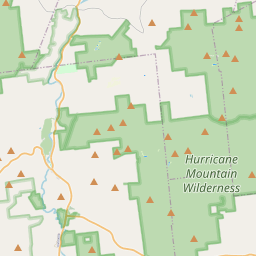
Make a weekend of it.
Closest editorial picks for a meal, a scoop, a pint, a bed, and a sight worth your time.
Eat.
4- Noon Mark Diner5.1 mi
A traditional diner experience, offering hearty meals for travelers and locals in the Adirondack Park.
- Ausable Inn5.3 mi
Comfortable Keene Valley restaurant, bar, liquor store, and small inn. American comfort menu — wings, fish and chips, Montreal brisket, steak au poivre, plus the locally famous Hungarian mushroom soup.
- Forty Six9.2 mi
A small fine-dining room on Route 9N in Keene at the Dartbrook Lodge campus, with a seasonal menu that rotates regularly and elegant plating. Reservations recommended.
- The Deer's Head Inn Restaurant12.7 mi
The Deer's Head Inn is a historic Elizabethtown tavern and restaurant — among the oldest inns in the Adirondacks — serving pub fare and regional dishes.
Sip.
4- Old Mountain Coffee Company5.1 mi
Great Coffee, Great Food, Great Baked Goods & Great People. Stop in to enjoy our house roasted coffee, browse our menu for a bite to eat or grab a delicious treat from our bakery. Order Online for pickup or stop in.
- Counter Space12.8 mi
A casual cafe in Elizabethtown serving coffee, espresso, and light bites — a local gathering spot in the Essex County seat.
- Pleasant Valley Cafe12.9 mi
A local cafe in Elizabethtown serving breakfast, lunch, coffee, and comfort food in the heart of the Boquet Valley.
- Life Church Cafe12.9 mi
Life Church Elizabethtown is a local church dedicated to connecting lives and building community.
Sweet.
4- Black Rooster Maple9.3 mi
Pure Adirondack Maple Syrup, Maple Cream, Bourbon Barrel Maple Syrup
- Cedar Run Bakery & Market9.7 mi
Cedar Run Bakery & Market offers scratch-made baked goods, deli items, fresh menu options, and take & bake meals, alongside a selection of wine and spirits. They are open Friday through Monday from 8 AM to 6 PM.
- Adirondack Corner Store12.8 mi
A longtime deli and general store at the corner of Route 73 in Lake Placid with an ice cream counter and subs — a locals' spot off the Main Street tourist row.
- Ben & Jerry's13.9 mi
The Ben & Jerry's scoop shop on Lake Placid's Main Street above Mirror Lake — the Vermont brand's pints and cones in the heart of the village.
Drink.
4- Paradox Brewery12.6 mi
Paradox Brewery offers a diverse tap selection, a full menu with pizza, burgers, and BBQ, and an expansive mountain landscape.
- Lake Placid Pub & Brewery14.1 mi
A brewpub on Mirror Lake Drive in Lake Placid since 1996, with 12 house beers on tap including the original Ubu Ale, a downstairs Irish pub, and a deck over Mirror Lake.
- Top of the Park14.7 mi
A Lake Placid bar on Main Street offering a curated selection of wine, scotch, bourbon, craft beer, and top-shelf liquors, complemented by small plates and signature cocktails. Enjoy 'Spirits with a View' from its large deck overlooking Mi…
- The Old Mine15.6 mi
The Old Miners Tavern is a historic Adirondack tavern in Moriah, NY, offering classic bar food like juicy burgers and chicken wings, a full bar with rotating craft beers, and a welcoming atmosphere for friends to gather.
Stay.
4- Rooster Comb Inn5.1 mi
Rooster Comb Inn is a dog-friendly inn located in the heart of Keene Valley, NY, offering comfortable, rustic lodging within walking distance to Adirondack trailheads and local eateries. It features shared amenities like a full kitchen and…
- Keene Valley Lodge5.4 mi
A seven-room lodge and three-bedroom cottage at the center of Keene Valley, with breakfast and direct walk access to the Great Range trailheads and village restaurants.
- Adirondack Loj8.8 mi
Adirondak Loj is a lodging and camping facility operated by the Adirondack Mountain Club (ADK) in Lake Placid, New York. It serves as a hub for outdoor programs and access to the High Peaks region, offering accommodations and information f…
- Van Hoevenberg Cabins9.0 mi
Eight pet-friendly cabins on Cascade Road outside Lake Placid, each named for a High Peaks summit, with kitchenettes and queen, king, or twin configurations. Year-round operation.
See.
4- Lake Placid Bobsled Experience8.8 mi
Mt Van Hoevenberg, a Lake Placid Legacy Site, offers the thrilling Skeleton Experience for visitors and youth bobsled and skeleton programs, continuing its Olympic legacy as a venue for winter sports.
- Cliffside Coaster8.8 mi
The Cliffside Coaster in Lake Placid, NY, is the longest coaster in North America. It follows the path of Olympic history at Mt Van Hoevenberg.
- Keene Arts9.5 mi
Keene Arts is a venue in Keene, NY, hosting diverse events including art exhibits, concerts, film screenings, and a winter farmers market.
- Hurricane Mountain Fire Tower9.6 mi
Perched atop Hurricane Mountain, this historic fire tower provides hikers with unparalleled 360-degree views of the Adirondacks, Lake Champlain, and Vermont's Green Mountains.
Add to the record.
Free, takes thirty seconds. Yours forever.
Every page on this site gets better when readers contribute. Mark a peak you’ve climbed, drop a photo, file a field note, or flag a correction — every addition makes the next visitor’s page better.
Add a shot.
Sunrise on the dock, a cairn at the summit, a bend on the trail. Your camera roll, our archive.
Add a photo →File a report.
Trail conditions, water level, bug pressure, blowdown. The kind of detail that helps the next person plan.
Write a field note →Spot something off?
Wrong elevation, outdated access notes, a coordinate that's drifted. We'd rather hear it than miss it.
Suggest an edit →
Frequently asked.
- How long is the Gill Brook Cutoff Trail?The Gill Brook Cutoff Trail is approximately 0.42 miles (0.7 kilometers) — a short out-and-back suitable for most fitness levels.
- How long does it take to hike the Gill Brook Cutoff Trail?Most hikers complete the Gill Brook Cutoff Trail in about 15 minutes at a steady pace with roughly 23 feet of elevation gain. Allow extra time for rest stops, photos, weather, and trail conditions.
- How difficult is the Gill Brook Cutoff Trail?Based on its length and elevation gain, the Gill Brook Cutoff Trail is an easy hike (23 ft of climbing over the route) — gentle grades suitable for most fitness levels and families. This is an estimate from route data, not an official trail rating — check current DEC advisories before heading out.
- Who maintains the Gill Brook Cutoff Trail?The Gill Brook Cutoff Trail is operated or maintained by NYSDEC (part of the lwn network).