

Ridge Trail.
Ridge Trail is a short connector or spur trail with no posted mileage — likely under a quarter-mile and used to link other routes or access a viewpoint. Check local maps or trailhead kiosks for current conditions and its role in the larger trail system.
- Leg-stretcherShort and nearly flat — an hour or less
- Peak foliage window — color starts up high and works down the valleys through mid-October.
Seasonal pattern for this trail · live closures appear above
- GroundSurface
Read the line before you walk it.
What the trailhead is doing today.
Where the hike begins.
Guides, outfitters & shuttles.
If you’re already out here.
Lake George.
The corner of the Park this trail calls home — its hamlets, waters, lodging, and the rest of its field record.
Read the Region→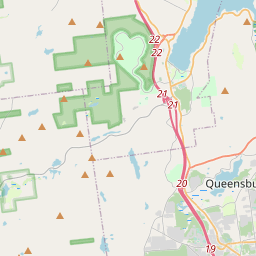
Make a weekend of it.
Closest editorial picks for a meal, a scoop, a pint, a bed, and a sight worth your time.
Eat.
4- The Log Jam Restaurant0.7 mi
The Log Jam Restaurant is an authentic log cabin restaurant in Lake George, NY, offering comfortable, casual Adirondack-style dining. It features stone fireplaces and serves American fare, including steaks and a large salad bar.
- Bistro LeRoux2.4 mi
Local, French-accented cuisine with multiple rooms displaying artwork & views of the open kitchen.
- Lighthouse Grill4.2 mi
The Lighthouse Grill is a renovated waterfront restaurant in Lake George, offering American, seafood, and plant-based cuisine with artisan drinks and freshest ingredients. It serves breakfast at the marina and is open Friday, Saturday, and…
- Lake George Olive Oil Co.4.4 mi
Lake George Olive Oil Co. is a family-owned business offering a wide selection of fresh extra virgin olive oils, aged balsamic vinegars, and gourmet foods. Visitors can sample from over 50 varieties at their Lake George and Glens Falls loc…
Sweet.
4- Martha's Dandee Creme1.3 mi
The definitive gateway ice cream stand into the Adirondacks, marked by its towering rooster sign on Route 9 in Queensbury. Towering swirls of soft serve in dozens of handmade flavors plus a grill menu, spring through early fall.
- Lake George Baking Company4.4 mi
A bakery with two locations in Queensbury and Lake George, offering custom cakes, breads, rolls, and the original Fudge Fancy. Off-season hours are Wednesday through Sunday, 8 a.m. to 3 p.m.
- Scoop's Ice Cream Parlor4.5 mi
Scoop's Ice Cream Parlor in Lake George offers ice cream and frozen yogurt at inexpensive prices. Located at 327 Canada St, it provides take-out service and accepts credit cards.
- Cate's Creamery13.2 mi
The main ice cream spot in the heart of Bolton Landing village on Lake George's quieter west shore — soft serve, hand-dipped hard ice cream, and slushies, a short stroll from the lakefront.
Drink.
4- Adirondack Bar and Grill3.7 mi
We pride ourselves on our seasonally inspired American classics and fresh ingredients in the meals we serve. Our food and drink options will have you coming back to troy something new each time!
- Adirondack Pub & Brewery4.0 mi
Comfortable brewpub offering craft beers & American comfort food amid rustic, lodge-style surrounds.
- Lake George Beach Club4.3 mi
Lively 2-story haunt on the water featuring classic American dishes, live music & TVs for sports.
- Springbrook Hollow Farm Distillery4.4 mi
Springbrook Hollow Farm Distillery, located in the Adirondack Mountains, crafts a variety of spirits including vodka, gin, moonshine, and whiskeys. Visitors can enjoy a beautiful tasting room offering specialty cocktails, local beer, wine,…
Stay.
4- Six Flags Great Escape Lodge & Indoor Waterpark1.2 mi
All-suite lodge with a year-round indoor waterpark, across the street from Six Flags Great Escape & Splashwater Kingdom in Queensbury, just south of Lake George Village.
- Do-Rest Court2.0 mi
The Do-Rest Court is conveniently located one and one half miles south of Lake George Village and two miles north of The Great Escape Amusement Park. Offering cozy housekeeping cottages and rental cabins and a friendly family oriented vaca…
- Roaring Brook Ranch2.8 mi
Roaring Brook Ranch is a family resort just outside Lake George village, with lodging, pools, tennis, and horseback riding in the southern Adirondacks.
- Baymont by Wyndham Queensbury Lake George2.8 mi
Warm quarters in a casual hotel offering an indoor pool & a gym, plus free breakfast & parking.
See.
4- Lake George Expedition Park2.3 mi
Lake George Expedition Park is a place of adventure, discovery, and excitement for attendees of all ages. Located in Lake George, NY. Open Memorial Day - Labor Day.
- Lake George Battlefield Park3.8 mi
Visitors to the Lake George Battlefield can see the sites of the Battle of Lake George (1755), which was part of the siege of Fort William Henry (1757) and a major military camp throughout the French and Indian War (1754-1763).
- Lake George Steamboat Company4.0 mi
Lake George cruises on the Mohican (over a century old) and the larger Lac du Saint Sacrement out of Steel Pier in Lake George Village. Sightseeing, lunch, dinner, and themed cruises, plus the 2026 Rails to Sails package combining train and boat.
- House of Frankenstein Wax Museum4.3 mi
The House of Frankenstein Wax Museum in Lake George New York
Add to the record.
Free, takes thirty seconds. Yours forever.
Every page on this site gets better when readers contribute. Mark a peak you’ve climbed, drop a photo, file a field note, or flag a correction — every addition makes the next visitor’s page better.
File a report.
Trail conditions, water level, bug pressure, blowdown. The kind of detail that helps the next person plan.
Write a field note →Spot something off?
Wrong elevation, outdated access notes, a coordinate that's drifted. We'd rather hear it than miss it.
Suggest an edit →
Frequently asked.
- How long is the Ridge Trail?The Ridge Trail is approximately 0.01 miles (0.0 kilometers) — a short out-and-back suitable for most fitness levels.