
Beaverflow Trail.
7-kilometer trail offers quiet passage through ecosystems shaped by beaver activity and the region's intricate waterways. The route is reported to provide opportunities for observing how flooding and dam-building alter the landscape over time, creating ponds, channels, and standing timber in various stages of transformation.
- Family-friendlyShort, easy, and gentle enough for young legs
- Good for snowshoeingNon-technical grade that carries a snowshoe track
Seasonal pattern for this trail · tops out ~1,962 ft · live closures appear above
- lwnNetwork
Read the line before you walk it.
What the trailhead is doing today.
Where the hike begins.
What the route itself carries.
Summits reached, waters touched, and the lean-tos along the way — read it like a cue sheet, mile posts ascending.
Guides, outfitters & shuttles.
If you’re already out here.
Raquette Lake.
The corner of the Park this trail calls home — its hamlets, waters, lodging, and the rest of its field record.
Read the Region→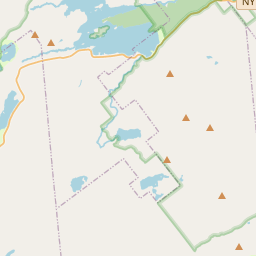
Make a weekend of it.
Closest editorial picks for a meal, a scoop, a pint, a bed, and a sight worth your time.
Eat.
4- Tony Harper's Pizza & Clam Shack3.1 mi
Tony Harper's Pizza & Clam Shack is a family restaurant and bar with four Adirondack locations, offering homemade pizza, wings, and seafood. Guests can enjoy sports on high-def TVs, a full bar, and live music.
- Seventh Lake House5.9 mi
Rustic space with a lake view preps classic & contemporary American dishes from seasonal goods.
- Archie's Alley7.7 mi
Archie's Alley, established in 2022 in Inlet, NY, is a restaurant offering Mexican-inspired cuisine, a bar, and family dining with outdoor options. It is open Monday, Friday, Saturday, and Sunday, with specific hours listed on its website.
- Screamen Eagle7.7 mi
Gift certificates available, please give us a call! (315) 357-6026
Sip.
4- Tamarack Cafe7.7 mi
Tamarack Cafe in downtown Inlet serves a wide variety of breakfast and lunch options, from traditional favorites and specialty bowls to creative salads, sandwiches, and burgers. The cafe also features an 18-hole mini-golf course.
- Blue Line Coffee House7.7 mi
Blue Line Coffee House offers Adirondack-inspired apparel, handcrafted mugs, and mountain-themed gifts, along with pre-packaged coffee and coffee accessories. Products are available for nationwide shipping, and local customers can order dr…
- Schoolhouse Grounds Coffee Shop12.4 mi
Seasonal coffee shop inside the 1895 schoolhouse that houses Blue Mountain Designs. Espresso, locally roasted coffee, loose-leaf tea, baked goods, avocado toast, sandwiches, and soups. May through October.
- Blue Line Coffee House16.9 mi
A coffee shop on Route 28 in Old Forge selling drinks, Adirondack-themed apparel, handcrafted mugs, and shipped coffee subscriptions. Order drinks for pickup or shop the gift line online.
Sweet.
4- Northern Lights Creamery Inc.7.3 mi
An Inlet institution for 40-plus years, a short walk from Arrowhead Park on Fourth Lake — soft serve, homemade gelato, floats, flurries, and specialty sundaes.
- Benny’s Ice Cream16.9 mi
A family-run, locally loved scoop shop on Old Forge's Main Street — hand-scooped hard flavors and soft serve.
- Pied Piper16.9 mi
A circa-1950s soft-serve and frozen-custard stand locals treat as a permanent fixture — the walk-up window after a day on the Fulton Chain or at the water park. Three daily soft-serve flavors plus around 20 hard flavors.
- Custard’s Last Stand18.0 mi
Custard's Last Stand is a historic ice cream shop in Long Lake, established in 1958, serving a variety of soft frozen custard & hard ice cream, sundaes, specialty shakes, floats, and ice cream sodas. They also offer merchandise and gift cards.
Drink.
4- Daiker's11.9 mi
Daikers is an Adirondack pitstop in Old Forge, NY, offering seasonal and local dining with a deck overlooking Fourth Lake. Their caring and committed staff ensure a fantastic experience for guests.
- Hex and Hop Tasting Room - Blue Mountain Lake12.3 mi
Hex and Hop is a craft brewery and meadery located in Bloomingdale, New York. They offer full-flavored, high-quality craft beer and mead, made with fresh, locally sourced ingredients, emphasizing community and craft.
- Slickers Adirondack Tavern16.8 mi
Slickers Adirondack Tavern, established in 1984, offers a classic tavern experience with a focus on quality ingredients. They are well-known for their signature French Dip Sandwich.
- Old Forge Brewing Company17.0 mi
Old Forge Brewing Company, established in 2008, is a brewpub committed to crafting quality beer and food while prioritizing local ingredients and community support. They offer a diverse menu, a range of craft beers, and host regular events.
Stay.
4- Kamp Kill Kare2.3 mi
Kamp Kill Kare is a historic Adirondack Great Camp on 1,000 acres featuring a private 500-acre lake, offering a luxurious and customized guest experience.
- Lake Kora2.5 mi
Originally Kamp Kill Kare, built in 1898 by William West Durant for Lt. Gov. Timothy Woodruff. One-thousand acres, a private 500-acre lake, sixteen bedrooms, all-inclusive — booked as an exclusive buyout for groups up to 35.
- Brown Tract Pond Campground4.2 mi
Brown Tract Pond Campground is a secluded campground located in the Adirondacks. It is situated a short distance off the main tourist route, offering a quiet outdoor experience.
- Brightside on Raquette Lake5.1 mi
Brightside on Raquette Lake offers an all-inclusive experience combining historic charm with modern comforts. It also serves as a venue for company retreats, fostering creativity and team building in the Adirondacks.
See.
4- Great Camp Sagamore0.8 mi
Great Camp Sagamore is a historic Adirondack Great Camp offering multi-day programs, overnight stays, and daily activities focused on history, arts, outdoor recreation, and wellness.
- Raquette Lake Navigation Cruise3.6 mi
Raquette Lake Navigation Company offers dining, sightseeing, and special event cruises on Raquette Lake in New York. This family-owned and operated business has been providing scenic experiences aboard the W.W. Durant since 1991.
- Camp Pine Knot4.1 mi
William West Durant's 1877 compound on Raquette Lake — the camp that invented the Adirondack Great Camp style. Now SUNY Cortland's Huntington Memorial Camp, an outdoor-education center with occasional public programs.
- BLUE MOUNTAIN CENTER10.1 mi
Blue Mountain Center is a working community of writers, artists, and activists set in the heart of the Adirondacks, the largest state park in the continental U.S.
Add to the record.
Free, takes thirty seconds. Yours forever.
Every page on this site gets better when readers contribute. Mark a peak you’ve climbed, drop a photo, file a field note, or flag a correction — every addition makes the next visitor’s page better.
Add a shot.
Sunrise on the dock, a cairn at the summit, a bend on the trail. Your camera roll, our archive.
Add a photo →File a report.
Trail conditions, water level, bug pressure, blowdown. The kind of detail that helps the next person plan.
Write a field note →Spot something off?
Wrong elevation, outdated access notes, a coordinate that's drifted. We'd rather hear it than miss it.
Suggest an edit →
Frequently asked.
- How long is the Beaverflow Trail?The Beaverflow Trail is approximately 1.75 miles (2.8 kilometers) — a short out-and-back suitable for most fitness levels.
- How long does it take to hike the Beaverflow Trail?Most hikers complete the Beaverflow Trail in about 60 minutes at a steady pace with roughly 174 feet of elevation gain. Allow extra time for rest stops, photos, weather, and trail conditions.
- How difficult is the Beaverflow Trail?Based on its length and elevation gain, the Beaverflow Trail is an easy hike (174 ft of climbing over the route) — gentle grades suitable for most fitness levels and families. This is an estimate from route data, not an official trail rating — check current DEC advisories before heading out.