
Grizzle Ocean Trail.
5-kilometer journey into terrain that is reported to showcase the region's characteristic blend of forest, wetland, and rocky outcrops. Maintained by the NYSDEC as part of the Lake Champlain region network, the route is often regarded as a study in the transition zones that define the eastern Adirondacks, where lowland and upland ecosystems meet.
- Half-day hikeA few hours round trip
- Good for snowshoeingNon-technical grade that carries a snowshoe track
Seasonal pattern for this trail · tops out ~1,568 ft · live closures appear above
- NYSDECOperator
- lcnNetwork
Read the line before you walk it.
What the trailhead is doing today.
Where the hike begins.
What the route itself carries.
Summits reached, waters touched, and the lean-tos along the way — read it like a cue sheet, mile posts ascending.
Curated trailheads & parking near this route.
Editorial trailhead listings within roughly 3 miles — permit info, parking capacity, and access-road conditions.
Guides, outfitters & shuttles.
If you’re already out here.
Paradox Lake.
The corner of the Park this trail calls home — its hamlets, waters, lodging, and the rest of its field record.
Read the Region→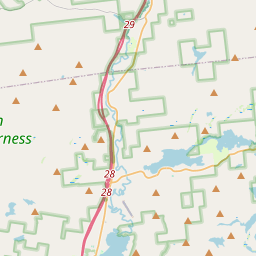
Make a weekend of it.
Closest editorial picks for a meal, a scoop, a pint, a bed, and a sight worth your time.
Eat.
4- Pitkins Restaurant7.3 mi
Pitkin's Restaurant is a family dining landmark in Schroon Lake, offering breakfast, lunch, and dinner with a broad menu in a modern rustic setting. It features a new patio, including pet-friendly outdoor dining, and is conveniently locate…
- Trail Break at Schroon Lake7.4 mi
Trail Break at Schroon Lake offers a restaurant, bar, and lodging in Schroon Lake. Guests can enjoy a menu of food, wine, and beer, live music on select evenings, and overnight stays in their rooms from May through October.
- Sticks & Stones Wood Fired Bistro & Bar7.6 mi
Sticks and Stones Wood fired Bistro and Bar, Menu, Events, Catering, Location, Adirondack style private parties.
- DeCesare's Pizzeria7.6 mi
DeCesare's Pizzeria in Schroon Lake offers a menu of pizza, Italian dishes, and salads. They provide online ordering for both carryout and delivery.
Sip.
2- 9 Mile Coffee Co7.3 mi
9 Mile Coffee Co. is a coffee shop in downtown Schroon Lake, NY, serving a variety of coffees, teas, smoothies, sandwiches, and soups. They also sell their custom coffee blends and gift cards online.
- Cupola Crepes7.3 mi
Family-run creperie at 1095 Main Street in Schroon Lake. Sweet and savory crepes (gluten-free batter available), scones, coffee, and soft serve. Wednesday through Sunday.
Sweet.
4- Stone Bridge Ice Cream11.1 mi
Stone Bridge Ice Cream is a seasonal stand located 2.5 miles from the Natural Stone Bridge & Caves, offering over 40 flavors of soft serve, custom ice cream cakes, and signature sundaes. It features outdoor seating and a kids' swing set.
- Crossroads Ice Cream13.6 mi
The ice cream counter at The Crossroads, a country and outdoors store off I-87 Exit 25 in Chestertown between Schroon and Brant Lake — hard and soft ice cream on the road north.
- Main Street Ice Cream Parlor14.1 mi
Create a free link in bio with Bio Sites by Squarespace. Showcase your links, earn money, and grow your brand online, all with one link.
- Cate's Creamery17.5 mi
The main ice cream spot in the heart of Bolton Landing village on Lake George's quieter west shore — soft serve, hand-dipped hard ice cream, and slushies, a short stroll from the lakefront.
Drink.
4- Flanagan's Pub & Grill7.3 mi
Long-standing, log cabin–style haunt offering traditional pub grub, draft beer & cocktails.
- The Brown Swan and Tavern7.5 mi
The Brown Swan and Tavern in Schroon Lake, NY, offers Adirondacks-inspired cuisine with locally sourced ingredients in a family-friendly setting.
- The Pub10.1 mi
The Pub is a British-inspired restaurant recognized for serving the best Fish and Chips in the U.S. by the UK’s Greene King Brewery. It offers excellent food, drinks, and genuine hospitality with a wide selection of beers.
- Paradox Brewery10.9 mi
Paradox Brewery offers a diverse tap selection, a full menu with pizza, burgers, and BBQ, and an expansive mountain landscape.
Stay.
4- Pharoah Lake Lean To1.0 mi
The Pharoah Lake Lean To is located within the 46,283-acre Pharaoh Lake Wilderness, part of the Adirondack Forest Preserve, which features many lakes and ponds.
- Brookwood RV Resort6.5 mi
An RV resort on Route 9N between Hague and Ticonderoga, with full-hookup RV sites, tent sites, and rustic Adirondack-style cabins. WiFi on all sites, fire rings, and Saturday-night live music in July and August.
- Park Mountain Campground6.9 mi
Park Mountain Campground is a family-owned RV and tent campground with 15 spacious sites in the Adirondack Mountains, less than a mile from Schroon Lake and near the Pharaoh Lake Wilderness area.
- Terra Alta cottages7.3 mi
Historic Montgomery Ward kit-home cottages from the 1930s on 14 acres with 400 feet of Schroon Lake shoreline, owned by the Starfield family since the mid-1950s. Dog-friendly for a fee.
See.
4- Penfield Homestead Museum9.0 mi
Penfield Homestead Museum preserves the history of Crown Point, NY, and the surrounding Ironville area. Explore the historic homestead, barns, church, and learn about local history, military conflicts, and notable families.
- Ticonderoga Heritage Museum10.3 mi
A local history museum on Montcalm Street in Ticonderoga inside the 1888 building, the sole surviving structure from the Ticonderoga Pulp and Paper Company. Free walking tours of the La Chute industrial corridor.
- Town of Horicon Museum10.8 mi
The Brant Lake Museum is housed in an 1890s farmhouse, featuring period furniture, clothing, tools, and photographs from the 19th and 20th centuries. It also includes a Carriage House with military and local hotel exhibits.
- Fort Ticonderoga11.8 mi
A restored French and Indian War / Revolutionary War fort on 2,000-plus acres at the south end of Lake Champlain in Ticonderoga, with living-history demonstrations, the King's Garden, a corn maze, and boat tours on the lake aboard the Carillon.
Add to the record.
Free, takes thirty seconds. Yours forever.
Every page on this site gets better when readers contribute. Mark a peak you’ve climbed, drop a photo, file a field note, or flag a correction — every addition makes the next visitor’s page better.
Add a shot.
Sunrise on the dock, a cairn at the summit, a bend on the trail. Your camera roll, our archive.
Add a photo →File a report.
Trail conditions, water level, bug pressure, blowdown. The kind of detail that helps the next person plan.
Write a field note →Spot something off?
Wrong elevation, outdated access notes, a coordinate that's drifted. We'd rather hear it than miss it.
Suggest an edit →
Frequently asked.
- How long is the Grizzle Ocean Trail?The Grizzle Ocean Trail is approximately 4.66 miles (7.5 kilometers) — a typical day-hike length.
- How long does it take to hike the Grizzle Ocean Trail?Most hikers complete the Grizzle Ocean Trail in about 2 hours 45 minutes at a steady pace with roughly 819 feet of elevation gain. Allow extra time for rest stops, photos, weather, and trail conditions.
- How difficult is the Grizzle Ocean Trail?Based on its length and elevation gain, the Grizzle Ocean Trail is a moderate hike (819 ft of climbing over the route) — steady climbing that rewards a reasonable base of fitness. This is an estimate from route data, not an official trail rating — check current DEC advisories before heading out.
- Who maintains the Grizzle Ocean Trail?The Grizzle Ocean Trail is operated or maintained by NYSDEC (part of the lcn network).