
Otter Brook Trail.
4 kilometers through terrain that is reported to follow its namesake waterway and pass through stretches of mature forest. The length suggests a full day's commitment for most hikers, and the path is understood to offer the kind of sustained wilderness travel that rewards those prepared for distance.
- Half-day hikeA few hours round trip
Seasonal pattern for this trail · tops out ~1,955 ft · live closures appear above
- lwnNetwork
Read the line before you walk it.
What the trailhead is doing today.
Where the hike begins.
Guides, outfitters & shuttles.
If you’re already out here.
Tupper Lake.
The corner of the Park this trail calls home — its hamlets, waters, lodging, and the rest of its field record.
Read the Region→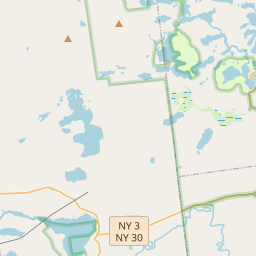
Make a weekend of it.
Closest editorial picks for a meal, a scoop, a pint, a bed, and a sight worth your time.
Eat.
4- The Clubhouse at Tupper Lake Country Club10.8 mi
The Clubhouse Restaurant & Bar at Tupper Lake Golf Club offers a full bar, weekly specials, and hosts events and weddings. Open to the public, enjoy meals with a view of the golf course.
- PorkBusters BBQ11.9 mi
PorkBusters BBQ is a Tupper Lake restaurant serving barbecue dishes seven days a week from 11 AM to 9 PM. They offer a menu for dine-in or takeout, plus catering for parties and events.
- Amado12.2 mi
A small restaurant on Cliff Avenue in Tupper Lake serving Brazilian dishes (moqueca, feijoada) alongside lamb pot pie, fish fry, and a clearly marked vegan section. Homemade desserts.
- Guido's Pizzeria12.3 mi
Guido's Pizzeria in Tupper Lake has been serving hand-thrown pizzas, subs, calzones, dinners, and wings since 1988. They offer free delivery within the Town of Tupper Lake on any size order and make fresh dough daily.
Sip.
2- Waypoint Cafe18.2 mi
Long Lake cafe at 1265 Main St. La Colombe coffee, homemade quiche, avocado toast, artisan sandwiches, salads, poke bowls, soups, and charcuterie. Closed Mondays; weeknight happy hour 4–6 p.m.
- Schoolhouse Grounds Coffee Shop24.1 mi
Seasonal coffee shop inside the 1895 schoolhouse that houses Blue Mountain Designs. Espresso, locally roasted coffee, loose-leaf tea, baked goods, avocado toast, sandwiches, and soups. May through October.
— 18.2 mi to the nearest pour to this spot; pack a thermos.
Sweet.
3- Skyline Ice Cream12.4 mi
A roadside soft-serve stand on Route 30 in Tupper Lake since 1985 — vanilla and black-raspberry twists, gelato, Dole Whip, and Michigans, now with an expanded burger-and-fries menu.
- The Park18.7 mi
Trying to find a fast food restaurant in Long Lake? Pay a visit to The Park. We offer a range of burgers, sides, ice cream, drinks and coffee options.
- Custard’s Last Stand18.7 mi
Custard's Last Stand is a historic ice cream shop in Long Lake, established in 1958, serving a variety of soft frozen custard & hard ice cream, sundaes, specialty shakes, floats, and ice cream sodas. They also offer merchandise and gift cards.
Drink.
4- Raquette River Brewing11.7 mi
A family- and dog-friendly taproom pouring year-round craft beer alongside four permanent food trucks, from wood-fired pizza to Carolina barbecue.
- Lakeview Lanes & The Foul Line Sports Bar11.8 mi
Lakeview Lanes & The Foul Line Sports Bar in Tupper Lake offers 8 lanes of bowling, an arcade, a sports bar, and outdoor seating with food and drinks for family fun.
- Brookside Hops & Hoagies18.7 mi
Brookside Hops & Hoagies is a casual, family-friendly shop in Long Lake, founded in 2023, offering craft beers and hoagies made with fresh ingredients and Boars Head deli meats. It operates Wednesday through Sunday from 11 AM to 7 PM.
- Hex and Hop Tasting Room - Blue Mountain Lake24.3 mi
Hex and Hop is a craft brewery and meadery located in Bloomingdale, New York. They offer full-flavored, high-quality craft beer and mead, made with fresh, locally sourced ingredients, emphasizing community and craft.
Stay.
4- Red Top Inn LLC10.4 mi
No-frills lodgings by Tupper Lake with boat rentals and nightly bonfires by the lake.
- Pine Terrace Motel & Resort10.7 mi
Waterfront motel offers basic cabins with kitchens & WiFi plus pool & tennis courts.
- The Lodge at Seveys12.4 mi
The Lodge @ Seveys is a spacious and recently remodeled facility that serves as the perfect family getaway in the heart of the Adirondacks. With seven bedrooms accommodating up to fourteen people, the lodge features a fully equipped…
- Trailhead Hotel in Tupper Lake, NY13.0 mi
A motel on Park Street in Tupper Lake with an outdoor pool, basketball court, putting green, mini-golf, free breakfast, and voice-controlled smart-room features. ADA-accessible rooms available.
See.
4- Adirondack Railroad12.2 mi
Adirondack Railroad offers scenic train experiences through the beautiful outdoor scenery of New York, departing from stations in Utica, Thendara, and Tupper Lake. They provide various themed rides, including special events and multi-hour…
- The Adirondack Sky Center & Observatory13.0 mi
Free 2-Day Space Camp at the Adirondack Sky Center Calling all future space explorers— get ready for an out-of-this-world adventure! Join us to explore some of the most fascinating topics in outer space! We’ll cover black holes, space tra…
- The Wild Center13.4 mi
Live animals, hands-on exhibits & forest trails connect guests with the Adirondacks.
- John Dillon Park14.3 mi
John Dillon Park, run by Paul Smith's College, is an accessible outdoor recreation area in Long Lake featuring a 3.5-mile accessible trail system, lean-tos, and fishing access. It is closed for the summer 2026 season for water system impro…
Add to the record.
Free, takes thirty seconds. Yours forever.
Every page on this site gets better when readers contribute. Mark a peak you’ve climbed, drop a photo, file a field note, or flag a correction — every addition makes the next visitor’s page better.
Add a shot.
Sunrise on the dock, a cairn at the summit, a bend on the trail. Your camera roll, our archive.
Add a photo →File a report.
Trail conditions, water level, bug pressure, blowdown. The kind of detail that helps the next person plan.
Write a field note →Spot something off?
Wrong elevation, outdated access notes, a coordinate that's drifted. We'd rather hear it than miss it.
Suggest an edit →
Frequently asked.
- How long is the Otter Brook Trail?The Otter Brook Trail is approximately 6.06 miles (9.7 kilometers) — a typical day-hike length.
- How long does it take to hike the Otter Brook Trail?Most hikers complete the Otter Brook Trail in about 3 hours 30 minutes at a steady pace with roughly 804 feet of elevation gain. Allow extra time for rest stops, photos, weather, and trail conditions.
- How difficult is the Otter Brook Trail?Based on its length and elevation gain, the Otter Brook Trail is a demanding hike (804 ft of climbing over the route) — sustained climbing best suited to fit, experienced hikers. This is an estimate from route data, not an official trail rating — check current DEC advisories before heading out.