
Marble Mountain Trail.
A modest ascent of just under a mile and a half, this unmarked route demands careful navigation and a degree of comfort with routefinding in Adirondack terrain. The absence of blazes or trail markers makes the path suitable primarily for those equipped with map and compass skills, or for hikers already familiar with the mountain's contours.
Seasonal pattern for this trail · tops out ~2,723 ft · live closures appear above
- lwnNetwork
Read the line before you walk it.
What the trailhead is doing today.
Where the hike begins.
Guides, outfitters & shuttles.
If you’re already out here.
Lake Placid.
The corner of the Park this trail calls home — its hamlets, waters, lodging, and the rest of its field record.
Read the Region→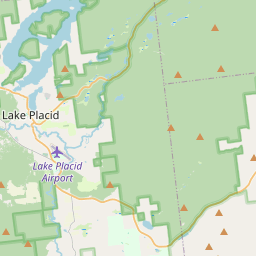
Make a weekend of it.
Closest editorial picks for a meal, a scoop, a pint, a bed, and a sight worth your time.
Eat.
4- The Hungry Trout2.2 mi
Situated on the West Branch of the Ausable River, the Hungry Trout offers two distinct dining experiences, from an upscale restaurant to a lively tavern.
- Monday Tuesday Grill6.8 mi
Monday Tuesday Grill in Upper Jay offers fresh, friendly, and affordable comfort meals for indoor, outdoor, and takeout dining, including grilled cheese sandwiches, soups, and Swedish meatballs.
- Artisans at the Lake Placid Lodge9.3 mi
The restaurant at the Lake Placid Lodge, a Relais and Chateaux property, serving a seasonal farm-to-fork menu in a fire-lit dining room with a three-season terrace over the lake. Breakfast and dinner daily.
- The Cottage at Mirror Lake Inn9.3 mi
The Cottage Restaurant and Cafe is located directly on the shore of Mirror Lake, offering spectacular views of the Adirondack High Peaks. It features food and drink options sourced from the Lake Placid region and operates on a first-come,…
Sip.
4- Adirondack Mountain Coffee Cafe5.8 mi
Adirondack Mountain Coffee Cafe is a coffee shop in Upper Jay, NY, serving fresh, slow-roasted coffee, breakfast, and lunch daily. Located near Whiteface Mountain and the Adirondack State Park, it also offers local beer and cocktails, with…
- The Coffee Bar9.7 mi
A small coffee bar on Main Street in Lake Placid with Mirror Lake and Whiteface Mountain views, pulling shots from Tug Hill Artisan Roasters beans.
- Simply Gourmet9.7 mi
Simply Gourmet in Lake Placid offers daily breakfast and lunch with a focus on clean food, using fresh, local, and sustainable ingredients free of additives or preservatives. They also provide comprehensive catering services for various ev…
- Origin Coffee9.9 mi
Origin Coffee Co. is a specialty coffee shop with locations in Lake Placid and Saranac Lake, offering a chef-driven breakfast and lunch menu served all day. It serves as a community gathering spot for locals and Adirondack travelers.
Sweet.
4- Whitebrook Dairy Bar1.5 mi
A classic roadside drive-in on Route 86 in Wilmington, five minutes from Whiteface — creamy soft serve (try the peanut-butter dip) plus footlongs and the Wilmington burger. Opening day is a local rite of spring.
- Sugar House Creamery5.5 mi
Sugar House Creamery is a farmstead creamery located in the Adirondacks, producing artisanal cheeses from the milk of their own cows. They offer a variety of cheeses, showcasing the quality of their local dairy.
- Cedar Run Bakery & Market10.0 mi
Cedar Run Bakery & Market offers scratch-made baked goods, deli items, fresh menu options, and take & bake meals, alongside a selection of wine and spirits. They are open Friday through Monday from 8 AM to 6 PM.
- Ben & Jerry's10.1 mi
The Ben & Jerry's scoop shop on Lake Placid's Main Street above Mirror Lake — the Vermont brand's pints and cones in the heart of the village.
Drink.
4- R.F. McDougall's Pub2.2 mi
The casual sibling of the Hungry Trout Restaurant, sharing the same Adirondack riverside property next to Whiteface. Pub food, regional beers, and the same view of the West Branch Ausable at a more relaxed price point.
- Top of the Park9.5 mi
A Lake Placid bar on Main Street offering a curated selection of wine, scotch, bourbon, craft beer, and top-shelf liquors, complemented by small plates and signature cocktails. Enjoy 'Spirits with a View' from its large deck overlooking Mi…
- Lake Placid Pub & Brewery9.8 mi
A brewpub on Mirror Lake Drive in Lake Placid since 1996, with 12 house beers on tap including the original Ubu Ale, a downstairs Irish pub, and a deck over Mirror Lake.
- Hex and Hop Brewing11.3 mi
Hex and Hop Brewing is a craft brewery and meadery in Bloomingdale, New York, making full-flavored, locally sourced beer and mead. They prioritize community and craft, using fresh, local ingredients.
Stay.
4- Wolfjaw Lodge1.7 mi
Welcome to the totally transformed Wolfjaw Lodge, located at the base of Whiteface Mountain, just a 2-minute drive from both Whiteface and Wilmington beach. Each of our 2 private houses and 11 lodge rooms and suites has been recently…
- Adirondack Spruce Lodge1.7 mi
Twenty-seven-room independent lodge in Wilmington village, minutes from Whiteface Mountain and walking distance from the Ausable River. Complimentary breakfast, fire pit, and Adirondack-character rooms.
- Cadence Lodge at Whiteface1.8 mi
Cadence Lodge in Wilmington, NY, offers an ideal base camp for outdoor adventurers. The property features recently updated guest rooms with amenities to enhance your stay, including a restaurant onsite, weekend breakfast options, and…
- Mountain Brook Lodge1.9 mi
Welcome to your home away from home! Mountain Brook Lodge offers a unique blend of comfort and convenience, ensuring your stay is memorable. We pride ourselves on offering a variety of amenities to make your stay as comfortable as…
See.
4- Summit Weather Observatory3.0 mi
The Summit Weather Observatory, part of the University at Albany's Atmospheric Sciences Research Center (ASRC), provides real-time weather conditions and data from its observatory at the summit of Whiteface Mountain and a field station at…
- High Falls Gorge3.4 mi
A 22-acre privately owned nature park on Route 86 in Wilmington with rim trails, glass-floor walkways over Ausable River waterfalls, a cafe, and gift shop. Open year-round, weather permitting.
- Upper Jay Art Center and Recovery Lounge5.7 mi
The Upper Jay Art Center and Recovery Lounge is a vibrant venue dedicated to presenting music, theater, and visual arts in Upper Jay, NY. It serves as a community hub for various cultural events.
- Captain Marney's Boat Rental9.0 mi
Captain Marney's Boat Rental offers boat and water sports rentals in the Lake Placid, NY area. They provide reasonably priced options for various water enthusiasts, including discounts for multi-day, multi-boat, and group rentals.
Add to the record.
Free, takes thirty seconds. Yours forever.
Every page on this site gets better when readers contribute. Mark a peak you’ve climbed, drop a photo, file a field note, or flag a correction — every addition makes the next visitor’s page better.
Add a shot.
Sunrise on the dock, a cairn at the summit, a bend on the trail. Your camera roll, our archive.
Add a photo →File a report.
Trail conditions, water level, bug pressure, blowdown. The kind of detail that helps the next person plan.
Write a field note →Spot something off?
Wrong elevation, outdated access notes, a coordinate that's drifted. We'd rather hear it than miss it.
Suggest an edit →
Frequently asked.
- How long is the Marble Mountain Trail?The Marble Mountain Trail is approximately 0.89 miles (1.4 kilometers) — a short out-and-back suitable for most fitness levels.
- How long does it take to hike the Marble Mountain Trail?Most hikers complete the Marble Mountain Trail in about 50 minutes at a steady pace with roughly 797 feet of elevation gain. Allow extra time for rest stops, photos, weather, and trail conditions.
- How difficult is the Marble Mountain Trail?Based on its length and elevation gain, the Marble Mountain Trail is a demanding hike (797 ft of climbing over the route) — sustained climbing best suited to fit, experienced hikers. This is an estimate from route data, not an official trail rating — check current DEC advisories before heading out.