
Couchsachraga Trail.
47-kilometer approach is often considered one of the more navigationally demanding trails in the Adirondacks. Without blazes or maintained markers of any kind, the path requires careful attention to terrain features and, conditions permitting, the faint tread left by previous hikers.
- Family-friendlyShort, easy, and gentle enough for young legs
- Good for snowshoeingNon-technical grade that carries a snowshoe track
Seasonal pattern for this trail · tops out ~4,301 ft · live closures appear above
- lwnNetwork
Read the line before you walk it.
What the trailhead is doing today.
Where the hike begins.
Guides, outfitters & shuttles.
If you’re already out here.
Lake Placid.
The corner of the Park this trail calls home — its hamlets, waters, lodging, and the rest of its field record.
Read the Region→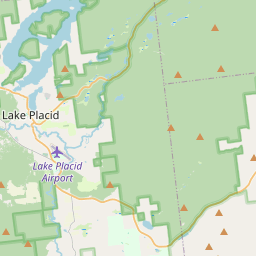
Make a weekend of it.
Closest editorial picks for a meal, a scoop, a pint, a bed, and a sight worth your time.
Eat.
4- ADK Street Eats14.3 mi
Food trailer at 1179 NY-86 in Ray Brook, between Lake Placid and Saranac Lake. Chef-driven menu of tacos (Carne Asada, Al Pastor), lobster rolls, ADK Spiedies, and Rochester Hot Meats. Tuesday–Sunday.
- Tail O' the Pup14.4 mi
A roadside stop offering barbecue, seafood, and casual fare, with a history stretching back over a century.
- Salt of the Earth Bistro14.4 mi
A small reservation-required bistro on Sentinel Road in Lake Placid, serving twisted takes on traditional dishes including a signature peanut stew. Parties of six or fewer.
- Lisa G's14.7 mi
Creative American fare with global twists in a welcoming space with vivid murals & waterside patio.
Sip.
4- Origin Coffee15.0 mi
Origin Coffee Co. is a specialty coffee shop with locations in Lake Placid and Saranac Lake, offering a chef-driven breakfast and lunch menu served all day. It serves as a community gathering spot for locals and Adirondack travelers.
- The Coffee Bar15.2 mi
A small coffee bar on Main Street in Lake Placid with Mirror Lake and Whiteface Mountain views, pulling shots from Tug Hill Artisan Roasters beans.
- Simply Gourmet15.4 mi
Simply Gourmet in Lake Placid offers daily breakfast and lunch with a focus on clean food, using fresh, local, and sustainable ingredients free of additives or preservatives. They also provide comprehensive catering services for various ev…
- Blue Moon15.9 mi
Blue Moon Café in Saranac Lake offers dine-in, pick-up, and curbside delivery services. Guests can enjoy weekly specials, restaurant menus, baked goods, coffee, grocery items, and adult beverages.
Sweet.
4- Donnelly's Soft Ice Cream14.3 mi
A fourth-generation Saranac Lake institution on a former dairy farm, serving exactly one rotating soft-serve flavor each day — twisted with vanilla on the same 1953 machine. Cash only; check the daily flavor. Memorial Day to Labor Day.
- Adirondack Corner Store14.5 mi
A longtime deli and general store at the corner of Route 73 in Lake Placid with an ice cream counter and subs — a locals' spot off the Main Street tourist row.
- Emma's Lake Placid Creamery14.7 mi
A 1950s-themed creamery in the heart of walkable Lake Placid, famous for its Maple Creme soft serve alongside 16 hard flavors, gelato, sorbet, and old-fashioned malts. The reliable apres-hike treat.
- Ben & Jerry's14.8 mi
The Ben & Jerry's scoop shop on Lake Placid's Main Street above Mirror Lake — the Vermont brand's pints and cones in the heart of the village.
Drink.
4- Ray Brook Brewhouse14.4 mi
Ray Brook Brewhouse is a unique brewery in Ray Brook, NY, offering wild and traditional brews paired with adventurous dishes made from local and exotic ingredients.
- Lake Placid Pub & Brewery15.0 mi
A brewpub on Mirror Lake Drive in Lake Placid since 1996, with 12 house beers on tap including the original Ubu Ale, a downstairs Irish pub, and a deck over Mirror Lake.
- Top of the Park15.4 mi
A Lake Placid bar on Main Street offering a curated selection of wine, scotch, bourbon, craft beer, and top-shelf liquors, complemented by small plates and signature cocktails. Enjoy 'Spirits with a View' from its large deck overlooking Mi…
- Bitters & Bones16.1 mi
Saranac Lake's only downtown brewery, restaurant, and bar, Bitters & Bones offers craft beer brewed upstairs, fresh local cuisine for breakfast, lunch, and dinner, and craft cocktails. It features rooftop decks and unique private event spa…
Stay.
4- The Pilot's House8.9 mi
The Pilot's House sits above the Outfitter's storefront, with a wonderful view of Vanderwhacker Mt. and the Hudson River, and Santanoni Mt as a backdrop.
- Adirondack Loj10.3 mi
Adirondak Loj is a lodging and camping facility operated by the Adirondack Mountain Club (ADK) in Lake Placid, New York. It serves as a hub for outdoor programs and access to the High Peaks region, offering accommodations and information f…
- Saranac Lake Islands Campground - Campsite #7012.5 mi
Saranac Lake Islands Campground offers primitive, boat-access-only island campsites on Lower Saranac Lake, providing extensive boater recreation and access to four additional lakes via a system of locks.
- Saranac Lake Islands Campground Campsite 7112.6 mi
Saranac Lake Islands Campground offers primitive, boat-access-only camping on Lower Saranac Lake. It provides extensive boater recreation and direct access to four other lakes via a system of locks.
See.
4- Camp Santanoni5.8 mi
Built by the wealthy Pruyn family, Camp Santanoni is a publicly-owned National Historic Landmark, offering visitors a glimpse into the early Adirondack Great Camp era and opportunities for outdoor recreation.
- Newcomb Ski Slope9.5 mi
2 slope municipal ski slope free to the public.
- John Brown Farm State Historic Site13.4 mi
Simple, furnished farmhouse home & grave of abolitionist John Brown, set in parkland with trails.
- Cliffside Coaster13.5 mi
The Cliffside Coaster in Lake Placid, NY, is the longest coaster in North America. It follows the path of Olympic history at Mt Van Hoevenberg.
Add to the record.
Free, takes thirty seconds. Yours forever.
Every page on this site gets better when readers contribute. Mark a peak you’ve climbed, drop a photo, file a field note, or flag a correction — every addition makes the next visitor’s page better.
Add a shot.
Sunrise on the dock, a cairn at the summit, a bend on the trail. Your camera roll, our archive.
Add a photo →File a report.
Trail conditions, water level, bug pressure, blowdown. The kind of detail that helps the next person plan.
Write a field note →Spot something off?
Wrong elevation, outdated access notes, a coordinate that's drifted. We'd rather hear it than miss it.
Suggest an edit →
Frequently asked.
- How long is the Couchsachraga Trail?The Couchsachraga Trail is approximately 1.53 miles (2.5 kilometers) — a short out-and-back suitable for most fitness levels.
- How long does it take to hike the Couchsachraga Trail?Most hikers complete the Couchsachraga Trail in about 60 minutes at a steady pace with roughly 407 feet of elevation gain. Allow extra time for rest stops, photos, weather, and trail conditions.
- How difficult is the Couchsachraga Trail?Based on its length and elevation gain, the Couchsachraga Trail is an easy hike (407 ft of climbing over the route) — gentle grades suitable for most fitness levels and families. This is an estimate from route data, not an official trail rating — check current DEC advisories before heading out.