
Black River Wild Forest.
Sprawling across the western Adirondacks, this wild forest encompasses a network of trails reported to total more than forty kilometers, threading through varied terrain that ranges from hardwood ridges to wetland margins. The landscape invites extended exploration, with routes that connect remote ponds and traverse sections of working forest where the boundary between wilderness and human use remains permeable.
- Full-day hikePlan on a full day out
Seasonal pattern for this trail · tops out ~1,821 ft · live closures appear above
- lwnNetwork
Read the line before you walk it.
What the trailhead is doing today.
Where the hike begins.
What the route itself carries.
Summits reached, waters touched, and the lean-tos along the way — read it like a cue sheet, mile posts ascending.
Guides, outfitters & shuttles.
If you’re already out here.
Old Forge.
The corner of the Park this trail calls home — its hamlets, waters, lodging, and the rest of its field record.
Read the Region→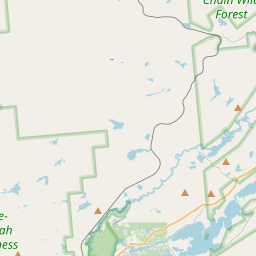
Make a weekend of it.
Closest editorial picks for a meal, a scoop, a pint, a bed, and a sight worth your time.
Eat.
4- The SteakHouse6.0 mi
The Steak House is a family-owned and operated restaurant since 1971, offering a classic Adirondack dining experience with handcrafted steaks, quality meats, seafood, homemade dishes, and a cocktail lounge.
- Frankie's Taste of Italy6.3 mi
Frankie's Taste of Italy is Old Forge's original Italian restaurant — 24 years on Route 28, fresh pasta brought in from Boston's North End, a serious menu of pasta, chicken, veal, and seafood, and one of New York State's largest selections of rare premium Kentucky bourbons. Homemade gelato and bread pudding.
- Walt's Diner7.1 mi
A working diner on Route 28 in Old Forge running for 25-plus years, with breakfast and lunch most days and a Friday fish fry until 8 p.m. Closed Tuesdays.
- Tony Harper's Pizza & Clam Shack7.1 mi
Tony Harper's Pizza & Clam Shack is a family-friendly restaurant offering homemade traditional and thin-crust pizzas, signature Whiskey Wings, steamers, and "Raquette Cheesesteaks". They feature a full bar with microbrews, high-definition…
Sip.
3- Blue Line Coffee House7.2 mi
A coffee shop on Route 28 in Old Forge selling drinks, Adirondack-themed apparel, handcrafted mugs, and shipped coffee subscriptions. Order drinks for pickup or shop the gift line online.
- Blue Line Coffee House15.3 mi
Blue Line Coffee House offers Adirondack-inspired apparel, handcrafted mugs, and mountain-themed gifts, along with pre-packaged coffee and coffee accessories. Products are available for nationwide shipping, and local customers can order dr…
- Tamarack Cafe15.3 mi
Tamarack Cafe in downtown Inlet serves a wide variety of breakfast and lunch options, from traditional favorites and specialty bowls to creative salads, sandwiches, and burgers. The cafe also features an 18-hole mini-golf course.
Sweet.
3- Benny’s Ice Cream7.3 mi
A family-run, locally loved scoop shop on Old Forge's Main Street — hand-scooped hard flavors and soft serve.
- Pied Piper7.3 mi
A circa-1950s soft-serve and frozen-custard stand locals treat as a permanent fixture — the walk-up window after a day on the Fulton Chain or at the water park. Three daily soft-serve flavors plus around 20 hard flavors.
- Northern Lights Creamery Inc.15.3 mi
An Inlet institution for 40-plus years, a short walk from Arrowhead Park on Fourth Lake — soft serve, homemade gelato, floats, flurries, and specialty sundaes.
Drink.
3- Old Forge Brewing Company7.1 mi
Old Forge Brewing Company, established in 2008, is a brewpub committed to crafting quality beer and food while prioritizing local ingredients and community support. They offer a diverse menu, a range of craft beers, and host regular events.
- Slickers Adirondack Tavern7.3 mi
Slickers Adirondack Tavern, established in 1984, offers a classic tavern experience with a focus on quality ingredients. They are well-known for their signature French Dip Sandwich.
- Daiker's12.1 mi
Daikers is an Adirondack pitstop in Old Forge, NY, offering seasonal and local dining with a deck overlooking Fourth Lake. Their caring and committed staff ensure a fantastic experience for guests.
Stay.
4- Adirondack Lodge Old Forge6.2 mi
Step into Adirondack charm, reimagined. At Adirondack Lodge, rustic knotty-pine details meet modern comfort, creating a year-round base for snowmobile rides, lakeside picnics, and sweeping mountain views just outside your window. Each of…
- Water's Edge Inn7.4 mi
Homey rooms & suites with balconies, plus an indoor pool, free breakfast & a deck with lake views.
- Old Forge Camping Resort7.9 mi
A year-round campground on Route 28 in Old Forge in the Water Safari Resort family, with deluxe cabins, cottages, RV sites, and tent sites. Stay-and-Play packages for Water Safari.
- Fulton House Cottages11.3 mi
Fulton House Cottages offers family-friendly accommodations in the Adirondack Mountains, providing a serene lakefront setting for creating lasting memories.
See.
4- Adirondack Railbike5.8 mi
Adirondack Railbike Adventures offers unique railbike tours in the Adirondack Mountains. Riders can explore scenic routes from Old Forge (Thendara) and Tupper Lake, experiencing natural beauty and spectacular views on railbikes made in New…
- Enchanted Forest Water Safari7.5 mi
Located in Old Forge, Enchanted Forest Water Safari offers a blend of water park experiences and traditional theme park attractions. Visitors can access various slides, pools, and dry rides.
- Calypso's Cove7.5 mi
Calypso's Cove is a family fun park in Old Forge, NY, located next to Enchanted Forest Water Safari. It features attractions like go-karts, mini-golf, arcade games, and a ropes course with a zipline, offering afternoon and evening entertai…
- Great Camp Sagamore22.9 mi
Great Camp Sagamore is a historic Adirondack Great Camp offering multi-day programs, overnight stays, and daily activities focused on history, arts, outdoor recreation, and wellness.
Add to the record.
Free, takes thirty seconds. Yours forever.
Every page on this site gets better when readers contribute. Mark a peak you’ve climbed, drop a photo, file a field note, or flag a correction — every addition makes the next visitor’s page better.
Add a shot.
Sunrise on the dock, a cairn at the summit, a bend on the trail. Your camera roll, our archive.
Add a photo →File a report.
Trail conditions, water level, bug pressure, blowdown. The kind of detail that helps the next person plan.
Write a field note →Spot something off?
Wrong elevation, outdated access notes, a coordinate that's drifted. We'd rather hear it than miss it.
Suggest an edit →
Frequently asked.
- How long is the Black River Wild Forest?The Black River Wild Forest is approximately 15.0 miles (24.2 kilometers) — a long day-hike.
- How long does it take to hike the Black River Wild Forest?Most hikers complete the Black River Wild Forest in about 7 hours 45 minutes at a steady pace with roughly 375 feet of elevation gain. Allow extra time for rest stops, photos, weather, and trail conditions.
- How difficult is the Black River Wild Forest?Based on its length and elevation gain, the Black River Wild Forest is a demanding hike (375 ft of climbing over the route) — sustained climbing best suited to fit, experienced hikers. This is an estimate from route data, not an official trail rating — check current DEC advisories before heading out.