Every named summit in the Adirondack Park — the 46 High Peaks plus the rest. Filter by region, elevation, or 46er status.
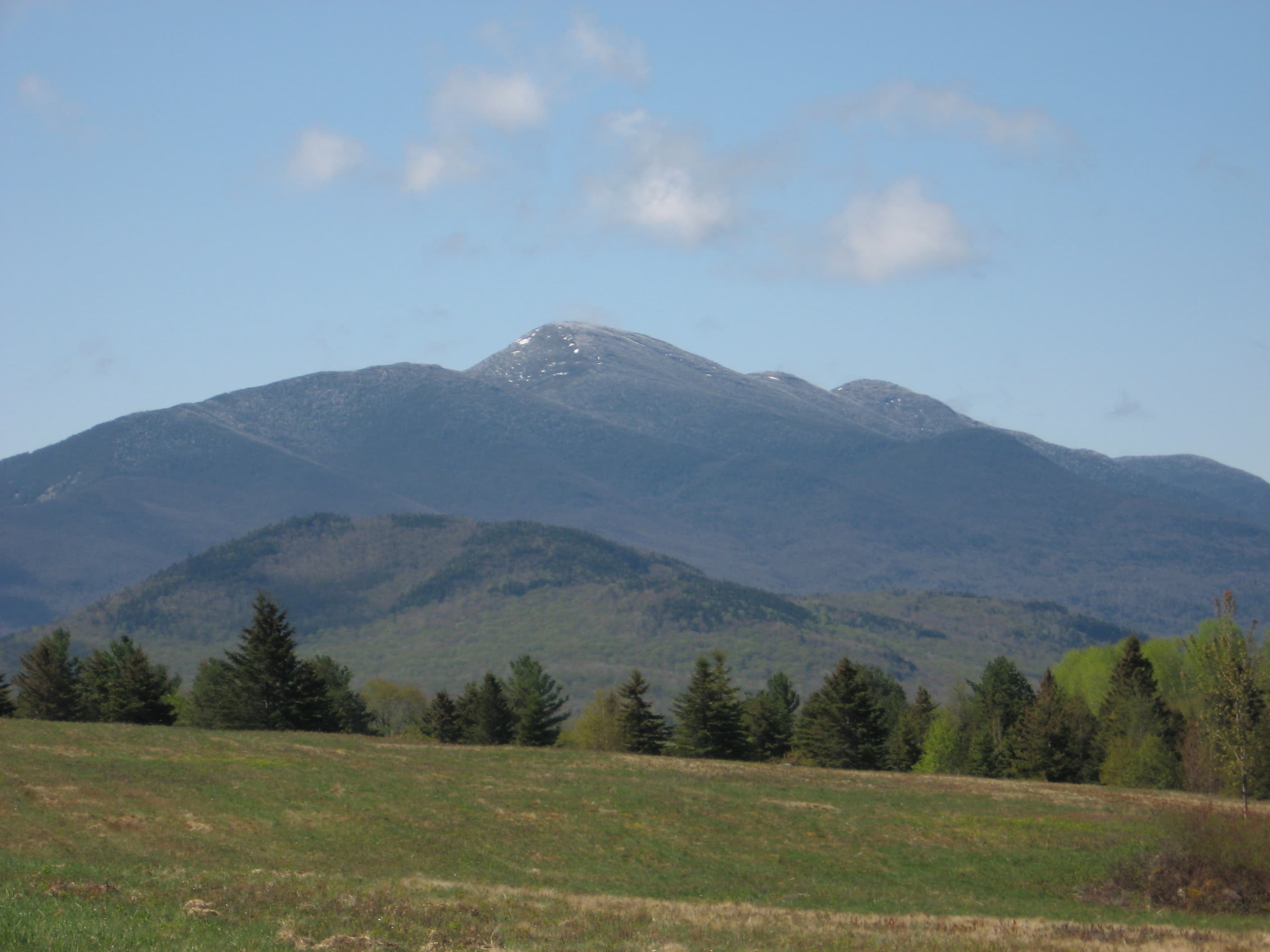
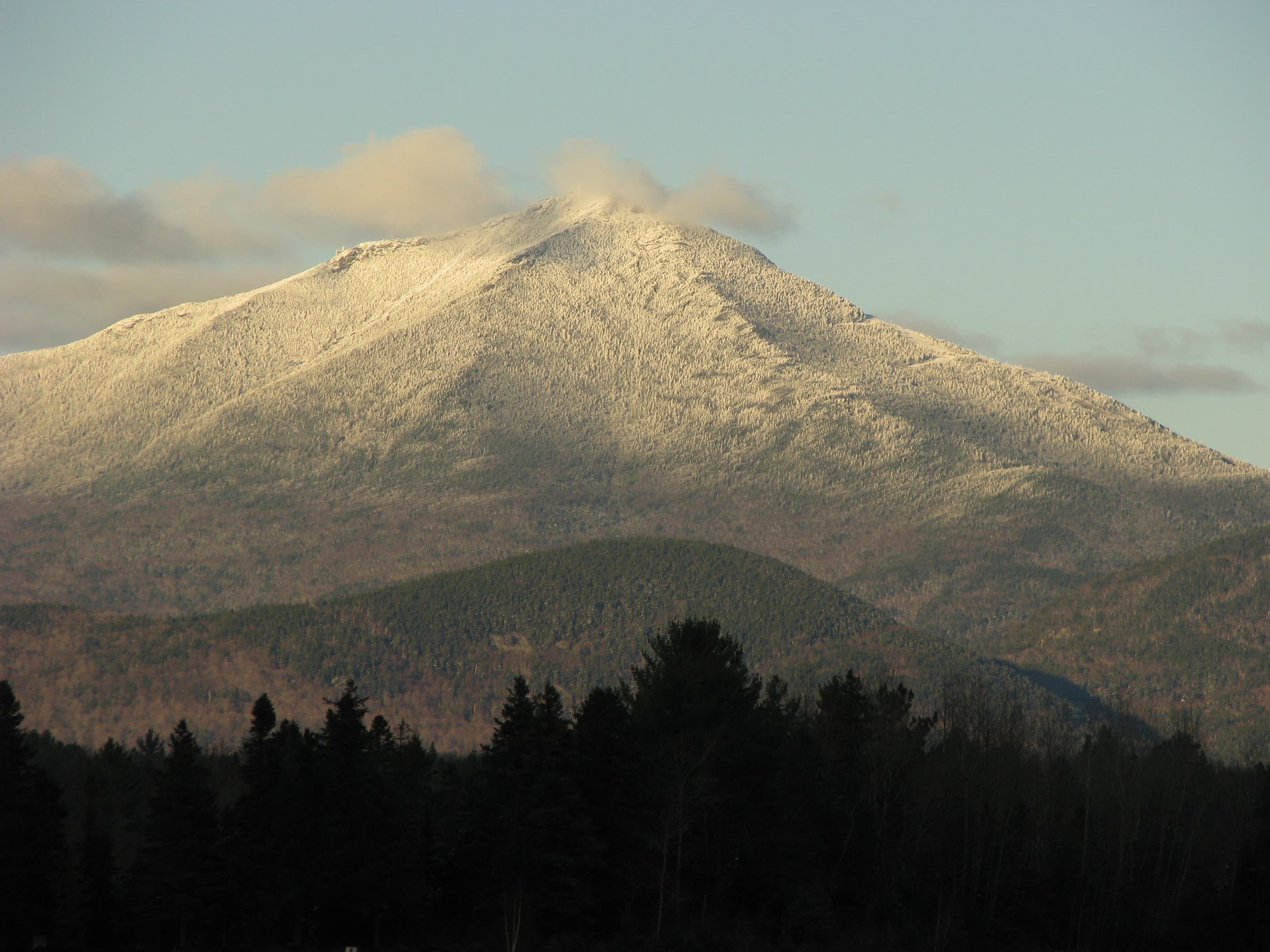
Mount Whitney rises to 2,638 feet in the southern Adirondacks. A modest summit by regional standards, it offers a quieter alternative to the High Peaks — fewer crowds, steady grades, and forest views from the top.
Buck Mountain rises 2,631 feet above Lake George's Narrows — a short, steep climb (3.2 miles round-trip) that delivers open rock ledges and unobstructed water views. The trailhead sits off Pilot Knob Road; most hikers finish in under three hours.
Thompson Mountain rises to 2,631 feet in the central Adirondacks. A moderate climb with limited trail maintenance — local knowledge helps, but the wooded summit offers solitude over sweeping views.
Eagle Eyrie stands at 2,631 feet in the central Adirondacks — a lesser-known summit with no marked trail. Bushwhackers approach from the south; expect thick understory and limited views from the wooded top.
Sawyer Mountain rises to 2,631 feet in the central Adirondacks. The summit offers open ledges with views toward Tupper Lake — a moderate bushwhack from nearby logging roads, best attempted with map and compass.
Ross Mountain rises to 2,625 feet in the central Adirondacks. A moderate summit with a defined trail, it offers a shorter climb for hikers seeking elevation without committing to a full day.
Morehouse Mountain rises to 2,625 feet in the southern Adirondacks near Wells. The summit is trailless and requires bushwhacking through thick vegetation — a route for experienced navigators only.
Alford Mountain rises to 2,625 feet in the southern Adirondacks. It sees light traffic and no maintained trail — bushwhack only, suited for navigators comfortable off-path.
Mount Orrey rises to 2,615 feet in the northern Adirondacks — a modest summit without a maintained trail. The bushwhack approach makes it a quiet objective for off-trail navigators; expect thick spruce and uncertain footing near the wooded top.
Baldface Mountain rises to 2,612 feet in the southern Adirondacks. The name comes from its exposed rock summit — a short but steady climb through mixed forest to open ledges with views across the surrounding ridges.
Bitch Mountain rises to 2,612 feet in the eastern Adirondacks, a modest summit with no maintained trail. Bushwhackers reach it via compass and map; expect thick undergrowth and limited views from the wooded top.
Little Beaver Mountain rises to 2,608 feet in the southern Adirondacks. No official trail exists — the summit is reached by bushwhack, typically from nearby logging roads.
Indian Lake Mountain rises to 2,608 feet above the southern Adirondacks, offering a moderate climb with a fire tower at the summit. The trail covers roughly 6 miles round-trip and the tower provides 360-degree views over Indian Lake and the surrounding wilderness.
Mount Tom stands at 2,608 feet in the central Adirondacks. A moderate summit accessible by bushwhack or informal trail — not a High Peak, but a solid half-day objective with open views from the top.
Squirrel Top reaches 2,605 feet in the southern Adirondacks. A short bushwhack from nearby trails, it offers a quiet summit with limited views — suited for hikers seeking solitude over scenery.
Blueberry Mountain rises to 2,605 feet in the southern Adirondacks. The summit offers open ledges with views toward Schroon Lake — a short, moderate climb that rewards without the crowds of higher peaks.
Spruce Mountain rises to 2,602 feet in the southern Adirondacks. The summit offers views without the crowds of higher peaks — a moderate climb that works as a half-day trip.
Gene Edwards Mountain rises to 2,602 feet in the central Adirondacks. The summit lacks maintained trails — bushwhacking required — and sees few visitors outside hunting season.
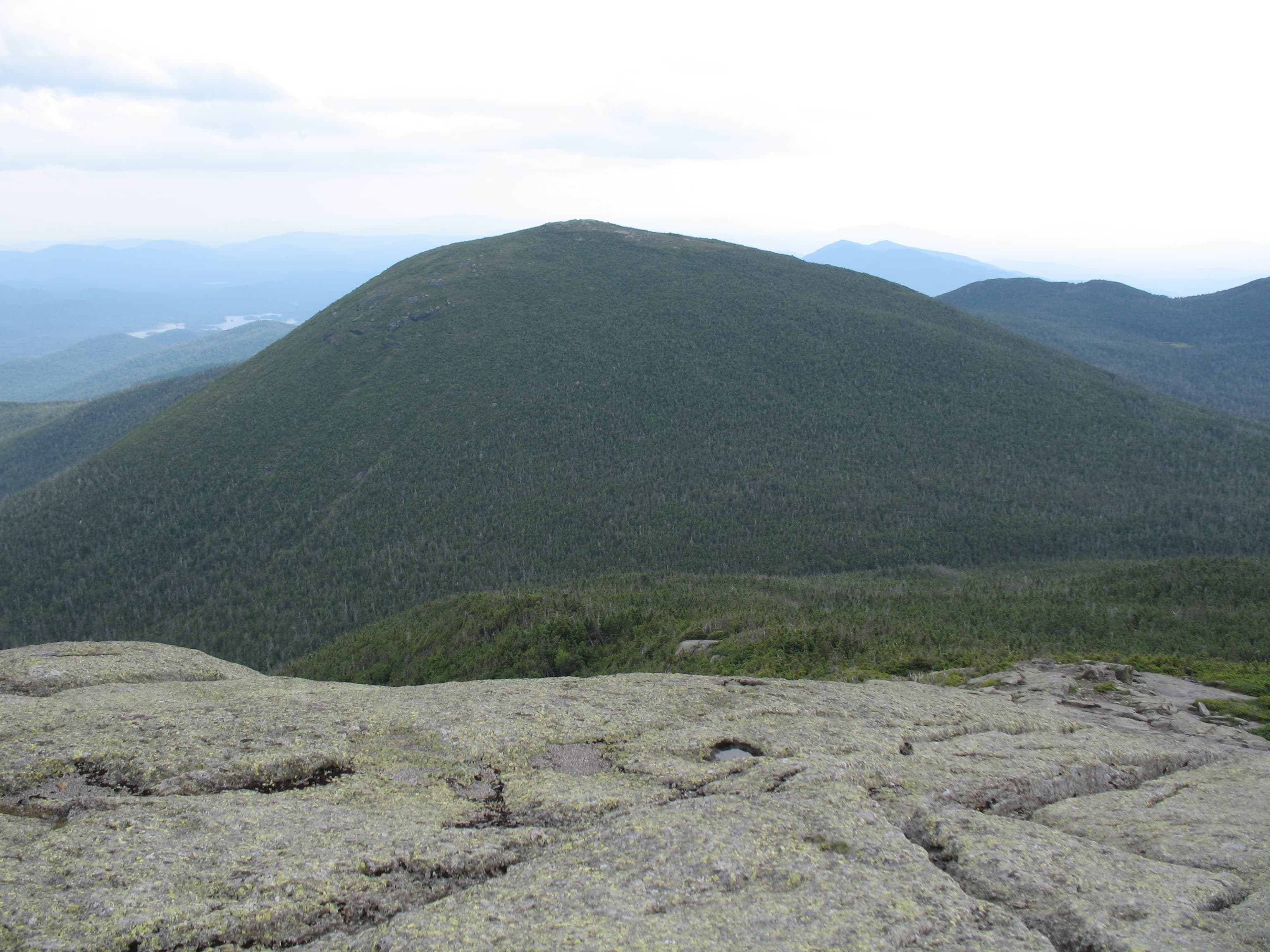
Owls Head stands at 2,602 feet in the Seward Range, considered one of the Adirondack's more remote trailless peaks. Most hikers reach it via a bushwhack from the Calkins Brook herd path — a rough 7-mile approach that keeps the summit quiet.
Raymond Hills rises to 2,602 feet in the northern Adirondacks. A modest summit with no maintained trail — bushwhackers and hunters know it, but it sees little traffic outside fall.
Hail Mountain rises to 2,598 feet in the northern Adirondacks. No official trail reaches the summit — bushwhackers navigate by compass through mixed hardwood forest.
East Mountain rises to 2,598 feet in the Adirondack foothills. No maintained trail reaches the summit — bushwhackers navigate by compass through mixed hardwood forest.
Canachagala Mountain rises to 2,595 feet in the southern Adirondacks. A trailless summit—navigation and bushwhacking skills required.
Long Tom Mountain reaches 2,592 feet in the central Adirondacks. A bushwhack summit with no maintained trail — navigation skills required, but the climb is manageable for hikers comfortable off-trail.
Rooster Comb rises to 2,592 feet in the Keene Valley region, named for the jagged crest visible from Route 73. The trail from Route 73 runs 2.6 miles one-way with steady elevation gain — a manageable half-day hike that delivers ridge views without the crowds.
Ellenburg Mountain rises to 2,589 feet in the northeastern Adirondacks, reached by a 4.2-mile round-trip trail from Ellenburg Center Road. The hike is moderate with a fire tower at the summit — functioning stairs and a 360-degree view over farmland and distant High Peaks.
Green Top rises to 2,585 feet in the central Adirondacks. A modest summit with limited trail information — local knowledge or bushwhacking skills recommended for access.
Slip Mountain rises to 2,582 feet in the southern Adirondacks. No maintained trail reaches the summit — bushwhacking only, and the dense forest limits views even at the top.
Peaked Mountain rises to 2,582 feet in the central Adirondacks, offering a moderate climb with minimal traffic. The summit ledges provide open views across the Siamese Ponds Wilderness — a solid choice for a quieter peak day.
Mount Dunham rises to 2,582 feet in the central Adirondacks — a modest summit with no maintained trail. Bushwhackers use it as a waypoint or training route; expect dense vegetation and slow going without a beaten path.
Big Marsh Mountain rises to 2,579 feet in the northern Adirondacks. No maintained trail exists — reaching the summit requires bushwhacking through dense forest, making it a destination for experienced navigators only.
Wolf Pond Mountain rises to 2,575 feet in the northern Adirondacks with no maintained trail to its wooded summit. The peak sees light bushwhacking traffic — mostly from hikers already exploring the nearby ponds or piecing together longer off-trail routes.
Buck Mountain rises 2,575 feet above the eastern shore of Lake George — a short, steep climb with open ledges overlooking the Narrows. The trailhead sits on Pilot Knob Road; round-trip is 6 miles with roughly 2,000 feet of gain.
Little Crow Mountain rises to 2,569 feet in the southern Adirondacks. The summit is trailless and seldom climbed — bushwhackers typically approach from the northwest via old logging roads.
Spruce Hill rises to 2,569 feet in the central Adirondacks — a modest summit with no marked trail. Bushwhackers reach it via compass and map; expect thick growth and minimal views from the wooded top.
Harrington Mountain rises to 2,569 feet in the southern Adirondacks. No marked trail reaches the summit — bushwhackers navigate by compass and contour, typically ascending from the north via old logging roads.
Buck Meadow Mountain rises to 2,566 feet in the western Adirondacks—a modest summit without a maintained trail. Bushwhackers use it as a quiet objective or a leg on longer ridge traverses.
Clements Mountain rises to 2,566 feet in the northern Adirondacks, a bushwhack destination with no marked trail. The summit offers limited views, but the route through open hardwoods makes for a quiet half-day scramble.
Davis Mountain rises to 2,559 feet in the central Adirondacks. A trailless ascent through mixed forest — hikers navigate by compass and map, as no marked route exists to the wooded summit.
Burnt Mountain rises to 2,556 feet in the southern Adirondacks. The summit is trailless and rarely visited — best suited for bushwhackers comfortable navigating by compass and terrain.
Three Peaks stands at 2,556 feet in the northern Adirondacks. The summit offers limited views but serves as a quiet alternative to busier peaks — reach it via unmarked routes from Axton Landing or the Cold River area.
Peak 776 stands at 2,546 feet in the Adirondack Park. It is a trailless summit typically reached by bushwhack, offering solitude over maintained routes.
Mud Pond Mountain rises to 2,543 feet in the northern Adirondacks, a trailless peak climbed by bushwhack from Route 3 or nearby logging roads. The summit is wooded with limited views, but the approach is short enough for a half-day trip if you navigate well.
Wheeler Mountain rises to 2,539 feet in the Paul Smiths area — a short, steep climb to an open summit with views across the St. Regis Canoe Area. The trail is less than a mile but gains 600 feet; families use it as a quick introduction to Adirondack ledge scrambles.
Starbuck Mountain rises to 2,533 feet in the southern Adirondacks. A herd path climbs from the west; the wooded summit offers limited views, but the route is quiet and the ridge walk is pleasant in fall.
Pharaoh Mountain rises to 2,533 feet above the eastern Adirondacks, offering open ledges with views across Pharaoh Lake Wilderness. The summit sees multiple approach routes, with the shortest climbing roughly 1,400 vertical feet in under 2 miles — steep but manageable for a half-day trip.
Clear Pond Mountain rises to 2,533 feet in the northern Adirondacks. The summit is trailless and requires bushwhacking — a quiet objective for navigators comfortable off-trail.
Pharoah Mountain rises to 2,533 feet in the Pharoah Lake Wilderness, accessible via a 3.5-mile trail from the Crane Pond Road trailhead. The summit ledges offer 360-degree views across Pharoah Lake, Schroon Lake, and the High Peaks to the north.
Arab Mountain stands at 2,533 feet in the northern Adirondacks, with a fire tower at the summit that opens views across the St. Regis Canoe Area. The trail is 1.9 miles one-way from the trailhead on Conifer Road — a moderate climb suitable for families.
Peak 772 stands at 2,533 feet in the Adirondack Park. It is not a recognized hiking destination and lacks maintained trails or public access routes.
Peacock Mountain rises to 2,533 feet in the southeastern Adirondacks, a trailless summit reached by bushwhack from the Crane Pond Road area. The terrain is moderate but navigation-dependent — no maintained path, so bring a map and allow extra time.
Silver Lake Mountain rises to 2,530 feet in the southern Adirondacks. The summit trail is short but steep, offering views over Silver Lake and the surrounding low peaks — a modest climb often paired with paddling below.
Big Slash Mountain rises to 2,530 feet in the central Adirondacks. A trailless peak with no maintained routes — bushwhackers navigate by compass and terrain, typically from nearby logging roads.
Smith Mountain rises to 2,523 feet in the southern Adirondacks. A modest summit by regional standards, it offers a shorter climb than the High Peaks and sees lighter traffic year-round.
Buck Mountain rises 2,523 feet above Lake George's Narrows — a southern Adirondack outlier with open ledges over the water. The standard trail from Pilot Knob climbs 2,000 vertical feet in 3.3 miles, steep but short, and the summit ledges deliver unobstructed views down the length of the lake.
Estelle Mountain rises to 2,523 feet in the central Adirondacks. A trailless peak with no maintained route — navigation by map and compass required.
Hennessy Mountain rises to 2,523 feet in the southern Adirondacks. A herdpath leads to the wooded summit — no official trail, no views, but a quiet walk for those who track unmarked routes.
Bearpen Peak stands at 2,520 feet in the western Adirondacks. A trailless summit requiring bushwhacking — expect dense understory and limited views from the wooded top.
Rice Mountain rises to 2,520 feet in the southern Adirondacks. A trailless summit best reached by bushwhack—expect dense hardwood forest and no established path to the wooded top.
Black Mountain rises to 2,520 feet in the eastern Adirondacks, offering summit views over Lake George from fire tower ruins. The standard trail from the east climbs 2.8 miles — steep in sections, but manageable for most hikers in under four hours round-trip.