Every named summit in the Adirondack Park — the 46 High Peaks plus the rest. Filter by region, elevation, or 46er status.
Crotched Pond Mountain rises to 2,776 feet in the western Adirondacks — a trailless summit that requires bushwhacking and navigation skills. The approach typically starts from Hitchins Pond Road; expect dense woods and no views at the wooded summit.
Grampus Lake Mountain rises to 2,772 feet in the northern Adirondacks, trailless and lightly traveled. The summit offers no maintained path — bushwhackers reach it via compass and contour.
Spruce Mountain stands at 2,769 feet in the southern Adirondacks. The summit offers open views from a fire tower built in 1918 — one of the few still accessible to climbers in the Park.
Round Top rises to 2,769 feet in the southeastern Adirondacks. A modest summit with limited trail information — local knowledge or bushwhacking may be required for access.
Round Mountain rises to 2,769 feet in the central Adirondacks. A moderate summit accessible by unmarked herd paths — locals climb it for solitude rather than views.
Hayden Mountain rises to 2,762 feet in the northeastern Adirondacks, offering a moderate climb with open ledges near the summit. The trail is maintained but less trafficked than nearby peaks — expect solitude and views across the Boquet River valley.
Pilgrim Mountain rises to 2,759 feet in the northern Adirondacks. The summit is trailless and seldom climbed — bushwhacking only, no maintained path or views to draw crowds.
Tenant Mountain rises to 2,759 feet in the southern Adirondacks. The summit is trailless and requires a bushwhack—best approached from the north via logging roads, though expect thick undergrowth below the ridgeline.
Rock Pond Mountain rises to 2,759 feet in the St. Regis Canoe Area, a trailless summit reached by bushwhack from Rock Pond or Little Long Pond. The climb is short but steep through open hardwoods — a quiet objective for paddlers camping in the area.
Horseshoe Mountain reaches 2,759 feet in the eastern Adirondacks. A trailless peak accessed by bushwhack, typically climbed from NY-73 near Chapel Pond — moderate elevation gain but requires navigation skills.
Pigeon Roost rises to 2,756 feet in the southern Adirondacks. It's a trailless summit with moderate bushwhacking — sparse views, but the approach through mixed hardwoods makes it a quiet objective for off-trail navigators.
Pitchoff Mountain tops out at 2,756 feet along the ridge between Cascade and Sentinel Range, with open ledges that face directly across to the High Peaks. The trail runs the ridgeline for nearly two miles — multiple lookouts, moderate scrambles, and a longer traverse than most expect.
East Inlet Mountain rises to 2,749 feet in the southwestern Adirondacks, a trailless summit typically approached from the north via bushwhack. The terrain is open hardwood with moderate grades — navigable in a half-day for those comfortable off-trail.
Nubble rises to 2,743 feet in the Pharaoh Lake Wilderness, typically climbed via a 2.4-mile bushwhack from Crane Pond Road. The summit ledges deliver open views across the Pharaoh Lake region—short effort for a true off-trail reward.
Hayes Mountain rises to 2,736 feet in the central Adirondacks. A trailless bushwhack peak with no maintained access — navigation skills required.
Marble Mountain stands at 2,733 feet in the northern Adirondacks, named for the marble quarried from its slopes in the 1800s. The summit lacks a maintained trail — bushwhackers navigate by compass through mixed hardwood, aiming for limited views from the rocky top.
Ragged Lake Mountain rises to 2,730 feet in the Five Ponds Wilderness, reached by a bushwhack from the Plains trailhead. No maintained trail; the route involves open hardwood slopes and requires map and compass.
Mount Tom stands at 2,726 feet in the southern Adirondacks. A moderate climb with a marked trail leading to open ledges that overlook the surrounding valleys.
Cross Mountain rises to 2,723 feet in the southern Adirondacks. A trailless summit reached by bushwhack — typically from the south via old logging roads — with limited views but quiet woods.
The Brothers rises to 2,720 feet in the Keene Valley area, a modest summit known for open ledges and views toward Giant and the Great Range. The standard route follows the Brothers Trail from The Garden, roughly 5 miles round-trip with steady gain—often used as a warm-up hike or paired with nearby Big Slide.
Windfall Mountain rises to 2,720 feet in the central Adirondacks. No marked trail reaches the summit — bushwhackers use compass and contour to navigate thick spruce and hardwood slopes.
Big Thirteenth Lake Mountain rises to 2,720 feet in the southern Adirondacks near Thirteenth Lake. The trail is unmaintained and rarely traveled — a bushwhack summit for those who prefer solitude over groomed paths.
Wallace Mountain rises to 2,717 feet in the southern Adirondacks. The summit offers open views from exposed rock, reached by unmarked routes that require map-and-compass navigation.
Cobble Hill rises to 2,710 feet in the central Adirondacks. A moderate climb with limited trail markings — locals use it as a quick morning ascent, but the summit views are partial through tree cover.
Twin Mountain rises to 2,710 feet in the central Adirondacks. The summit is trailless and requires bushwhacking — navigationally straightforward but physically demanding through thick growth.
W Mountain rises to 2,707 feet in the southern Adirondacks near Speculator. A fire tower stands at the summit — the climb is short and steep, and the views span across the West Canada Lakes Wilderness.
Duncan Mountain rises to 2,707 feet in the central Adirondacks. A trailless peak with no maintained routes — bushwhackers navigate by compass and map to reach the wooded summit.
Panther Mountain rises to 2,703 feet in the southern Adirondacks. The summit is trailless and sees little traffic — expect bushwhacking through dense forest with limited views at the top.
Floodwood Mountain rises to 2,703 feet in the northern Adirondacks. The summit trail is unmaintained and requires bushwhacking — bring map and compass for the route-finding.
Buck Pond Mountain rises to 2,703 feet in the northern Adirondacks, reached by a 5.4-mile round-trip trail from Onchiota Road. The wooded summit offers limited views, but the hike is quiet and the grade moderate — a decent half-day if you're camping nearby.
Moose Mountain rises to 2,700 feet in the central Adirondacks. A moderate summit with limited trail marking — local knowledge helps, but the woods are open enough for careful navigation.
Black Peak rises to 2,700 feet in the Adirondack Park. No maintained trail reaches the summit — bushwhacking required, and the peak sees few visitors outside hunting season.
Goodluck Mountain rises to 2,697 feet in the southern Adirondacks. The summit offers partial views and sees light traffic — a quiet alternative to the busier peaks nearby.
Camel Mountain rises to 2,690 feet in the southern Adirondacks. No maintained trail reaches the summit — bushwhack only, through moderate terrain that rewards scramblers who prefer solitude over marked routes.
Piseco Mountain rises to 2,684 feet in the southern Adirondacks, with a fire tower at the summit offering views over Piseco Lake and the West Canada Lakes Wilderness. The trail from Piseco Airport Road is 2.4 miles one-way, moderate grade, and open year-round.
Lookout Mountain rises to 2,684 feet in the southern Adirondacks. The summit delivers on its name — open ledges give views across the Sacandaga valley without the crowds of taller peaks.
Mount Matumbla rises to 2,684 feet in the eastern Adirondacks. A lower-elevation summit with no maintained trail — bushwhack access only for those willing to navigate off-trail.
Ice Cave Mountain rises to 2,680 feet in the southern Adirondacks and takes its name from a talus cave near the summit that holds ice well into summer. The trail is steep and unmarked in sections — navigation skills required — but the ice cave is a reliable feature worth the scramble.
Winch Mountain rises to 2,677 feet in the southern Adirondacks. The summit is trailless and lightly traveled — bushwhackers use it as a warm-up or link it with nearby peaks for a longer route.
Kettle Mountain rises to 2,677 feet in the southern Adirondacks. No maintained trail — bushwhackers use old logging traces and compass bearing; the wooded summit offers no views but qualifies as a moderate off-trail objective.
Ragged Mountain rises to 2,677 feet in the central Adirondacks. The summit offers open rock ledges with views toward Blue Mountain Lake — a moderate climb that sees less traffic than neighboring peaks.
Buck Mountain rises 2,671 feet above the east shore of Lake George — the trailhead starts near Pilot Knob, and the 6-mile round-trip climbs through hardwood forest to open ledges. The summit offers unobstructed views down the length of the lake.
Indian Head rises 2,667 feet above Lake George's eastern shore. The short, steep trail from Route 9N rewards climbers with a clifftop view straight down the lake — a classic scramble that takes less than two hours round-trip.
Buck Mountain rises 2,664 feet above the eastern shore of Lake George — a moderate climb with a rocky summit ledge that overlooks the Narrows and the lake's island chains. The trailhead off Pilot Knob Road leads 3.2 miles one-way through mixed hardwoods to open views south and west.
Hog Back Mountain rises to 2,664 feet in the southern Adirondacks. The trail ascends steadily through mixed hardwoods to open ledges with views across the Sacandaga River valley.
Goodnow Mountain rises to 2,664 feet and holds a fire tower you can climb for 360-degree views. The trail from the trailhead runs 3.8 miles round-trip — moderate pitch, well-maintained, and open year-round.
Catlin Mountain rises to 2,664 feet in the northern Adirondacks. A moderate summit with limited trail information — local knowledge or bushwhacking may be required for ascent.
Polack Mountain reaches 2,664 feet in the northeastern Adirondacks. A bushwhack summit with no maintained trail — navigable by experienced hikers using map and compass.
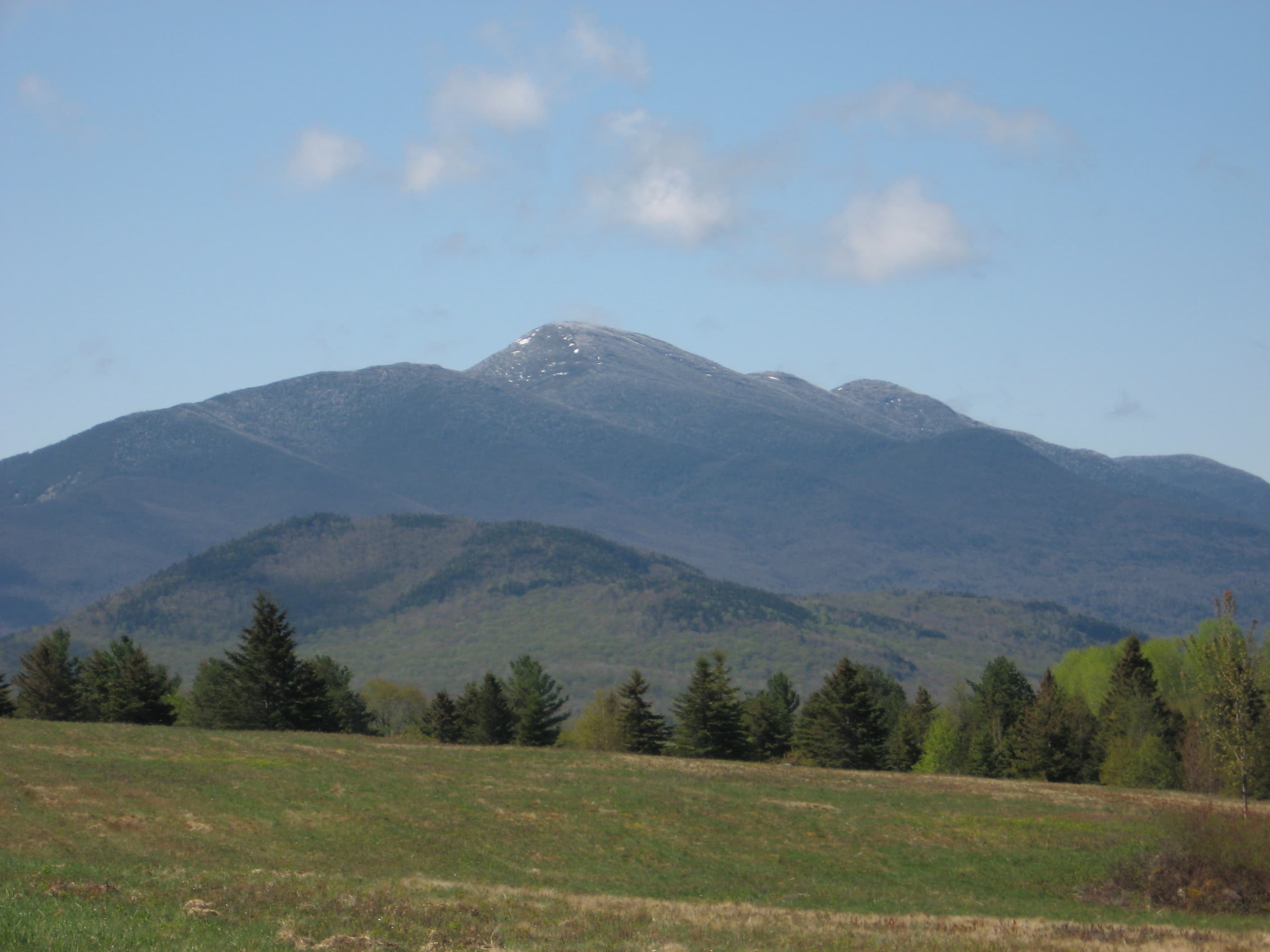
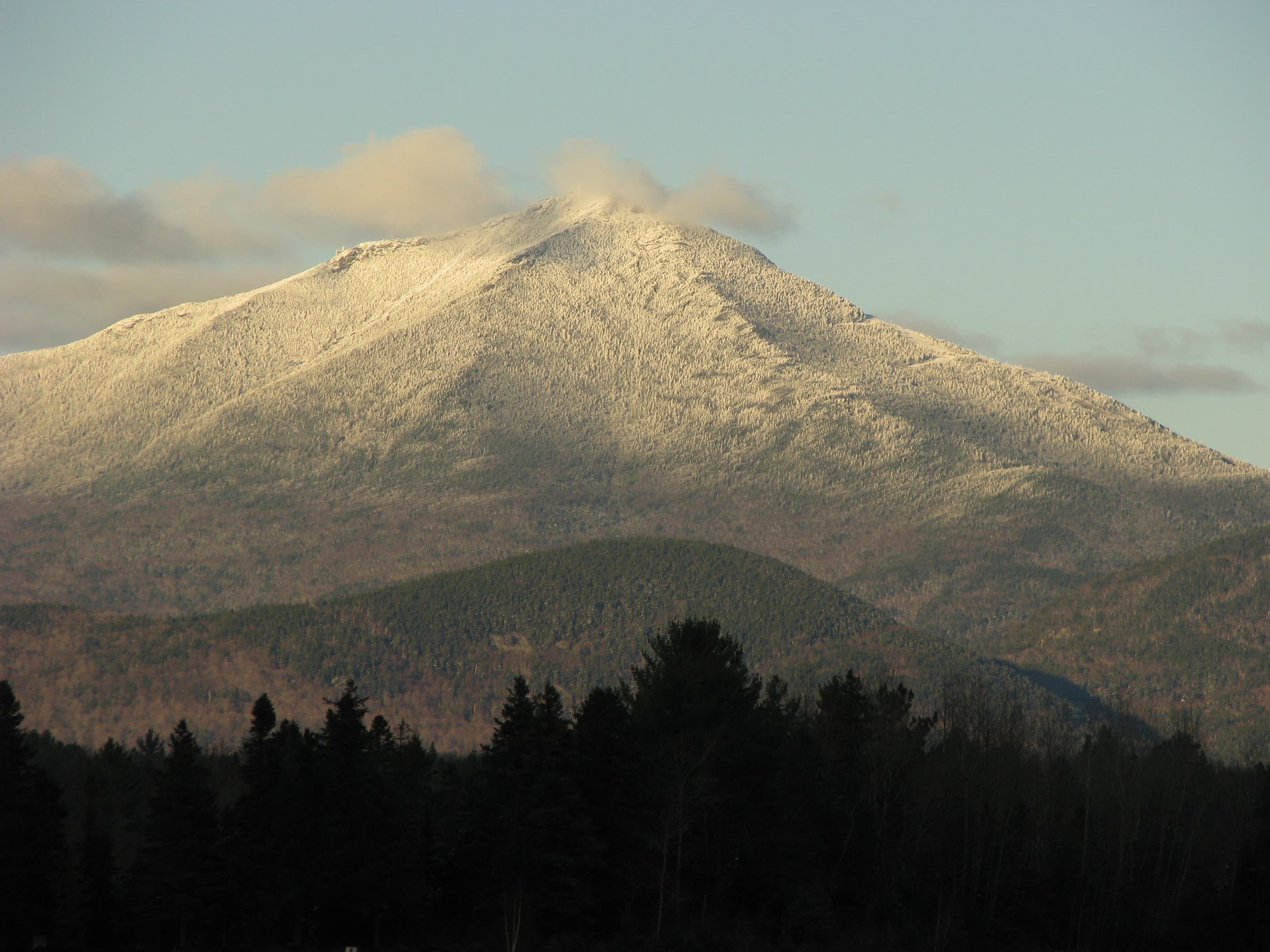
A sub-peak of Whiteface near the Memorial Highway base lodge. Member of the Lake Placid 9er challenge.
Hadley Mountain rises to 2,648 feet in the southeastern Adirondacks, topped by a fire tower restored in 1996 and still open to climbers. The standard route from Hadley Hill Road is 3.6 miles round-trip — short, steep in sections, and the tower delivers 360-degree views over Great Sacandaga Lake and the southern peaks.
Frenyea Mountain rises to 2,648 feet in the northern Adirondacks, a lesser-known summit without a maintained trail. Bushwhackers navigate by compass and ridge contours — the climb rewards those who earn it with quiet woods and solitude.
Potash Mountain rises to 2,648 feet in the eastern Adirondacks, with trails accessing its summit from the north via private land agreements. The peak offers views of the High Peaks from a lower elevation, making it a moderate alternative when alpine conditions close higher routes.
Long Pine Mountain rises to 2,644 feet in the northern Adirondacks. A lower summit with minimal foot traffic — no maintained trail to the top.
Round Top rises to 2,644 feet in the southern Adirondacks. A moderate summit with multiple access routes, it offers views of neighboring peaks without the crowds found on higher-elevation climbs.
Spruce Mountain rises to 2,644 feet in the southern Adirondacks. A moderate climb with a fire tower at the summit — open for views across the region on clear days.
Black Mountain rises to 2,641 feet above the eastern shore of Lake George. The summit fire tower offers unobstructed views across the lake and south toward the Hudson Valley — a moderate 5.4-mile round-trip from the trailhead on Pike Brook Road.
Chimney Mountain rises to 2,641 feet in the southern Adirondacks, known for the open cave at its summit where the "chimney" roof collapsed decades ago. The 3.6-mile round-trip from Kings Flow Road is short but steep — the cave opening and ledge views are the draw.
Blue Mountain rises 2,641 feet in the central Adirondacks and supports a fire tower on its summit — one of the few still staffed seasonally. The 4-mile round-trip trail climbs steadily through hardwood forest; the tower adds 360-degree views across lakes and distant High Peaks.
Ruby Mountain rises to 2,641 feet in the northeastern Adirondacks near Cranberry Lake. A trailless summit best reached by bushwhack—no maintained route, but the grade is moderate and the trek suits navigators comfortable off-trail.
Mount Whitney rises to 2,638 feet in the southern Adirondacks. A modest summit by regional standards, it offers a quieter alternative to the High Peaks — fewer crowds, steady grades, and forest views from the top.