

Burntbridge Outlet drains north from the Raquette River system through low-lying country south of Tupper Lake — a meandering, marshy corridor that moves more like stillwater than stream in summer. The name points to an old bridge site, long since gone, though whether it burned or just rotted out depends on who's telling the story. This is paddling water, not fishing water — shallow, tannic, overgrown with pickleweed and alders, the kind of outlet that holds wood ducks and herons but not much in the way of trout. Access is by portage or bushwhack from adjacent ponds; most paddlers hit it once and don't return.
Closest parking lots within range, ranked by walking distance. Accessibility flags come from Google verified-data; surface and capacity from OpenStreetMap. Confirm hours and seasonal closures before you go.
+2 more on the map above
Free, takes thirty seconds. Yours forever.
Every page on this site gets better when readers contribute. Mark a peak you’ve climbed, drop a photo, file a field note, or flag a correction — every addition makes the next visitor’s page better.
Sunrise on the dock, a cairn at the summit, a bend on the trail. Your camera roll, our archive.
Add a photo →Trail conditions, water level, bug pressure, blowdown. The kind of detail that helps the next person plan.
Write a field note →Wrong elevation, outdated access notes, a coordinate that's drifted. We'd rather hear it than miss it.
Suggest an edit →
What to do, where to stay, and what's reopening across the Park as the snow melts and the calendar fills.
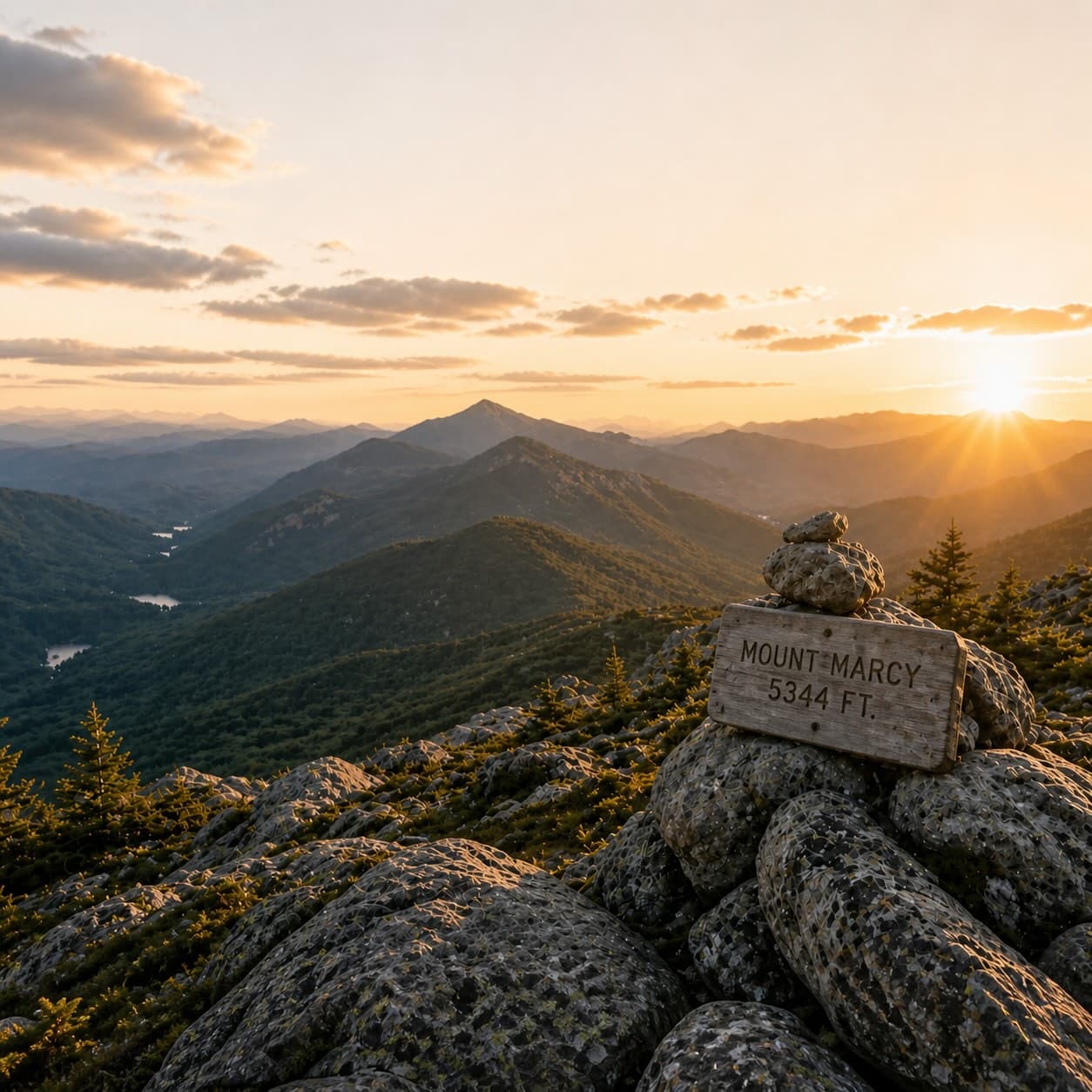
A complete planning guide: difficulty by peak, common combo days, seasonal realities, and a sortable, filterable table of every summit.
Overnight, day, and trip camps in the Park — the camp belt, choosing the right fit, costs and financial aid, ACA accreditation, and the questions every parent should ask before they commit.