This 0.1-mile boardwalk loop crosses through a rare boreal bog maintained by the University of Vermont as a natural area and outdoor classroom. The elevated wooden walkway keeps visitors above the fragile sphagnum mat while providing close views of carnivorous pitcher plants, Labrador tea, and black spruce adapted to acidic, nutrient-poor conditions. The short distance makes it accessible for a quick ecological tour, though the site's real value is observational rather than mileage.
Closest parking lots within range, ranked by walking distance. Accessibility flags come from Google verified-data; surface and capacity from OpenStreetMap. Confirm hours and seasonal closures before you go.
+73 more on the map above
Free, takes thirty seconds. Yours forever.
Every page on this site gets better when readers contribute. Mark a peak you’ve climbed, drop a photo, file a field note, or flag a correction — every addition makes the next visitor’s page better.
Sunrise on the dock, a cairn at the summit, a bend on the trail. Your camera roll, our archive.
Add a photo →Trail conditions, water level, bug pressure, blowdown. The kind of detail that helps the next person plan.
Write a field note →Wrong elevation, outdated access notes, a coordinate that's drifted. We'd rather hear it than miss it.
Suggest an edit →No vacation rentals listed nearby yet.
Cabins, camps, and lakefront rentals appear here as the directory grows. Check back soon.
Have a rental? List yours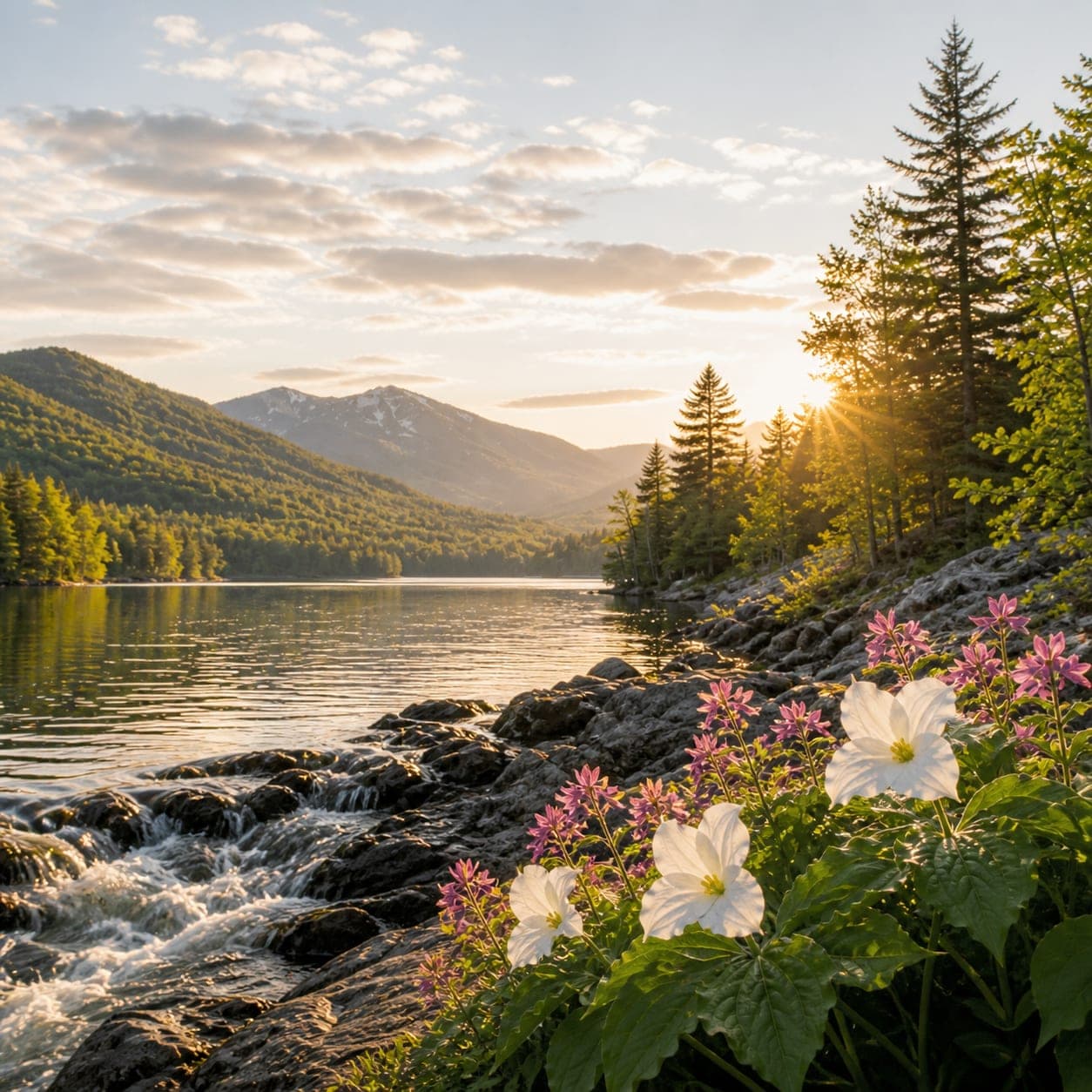
What to do, where to stay, and what's reopening across the Park as the snow melts and the calendar fills.
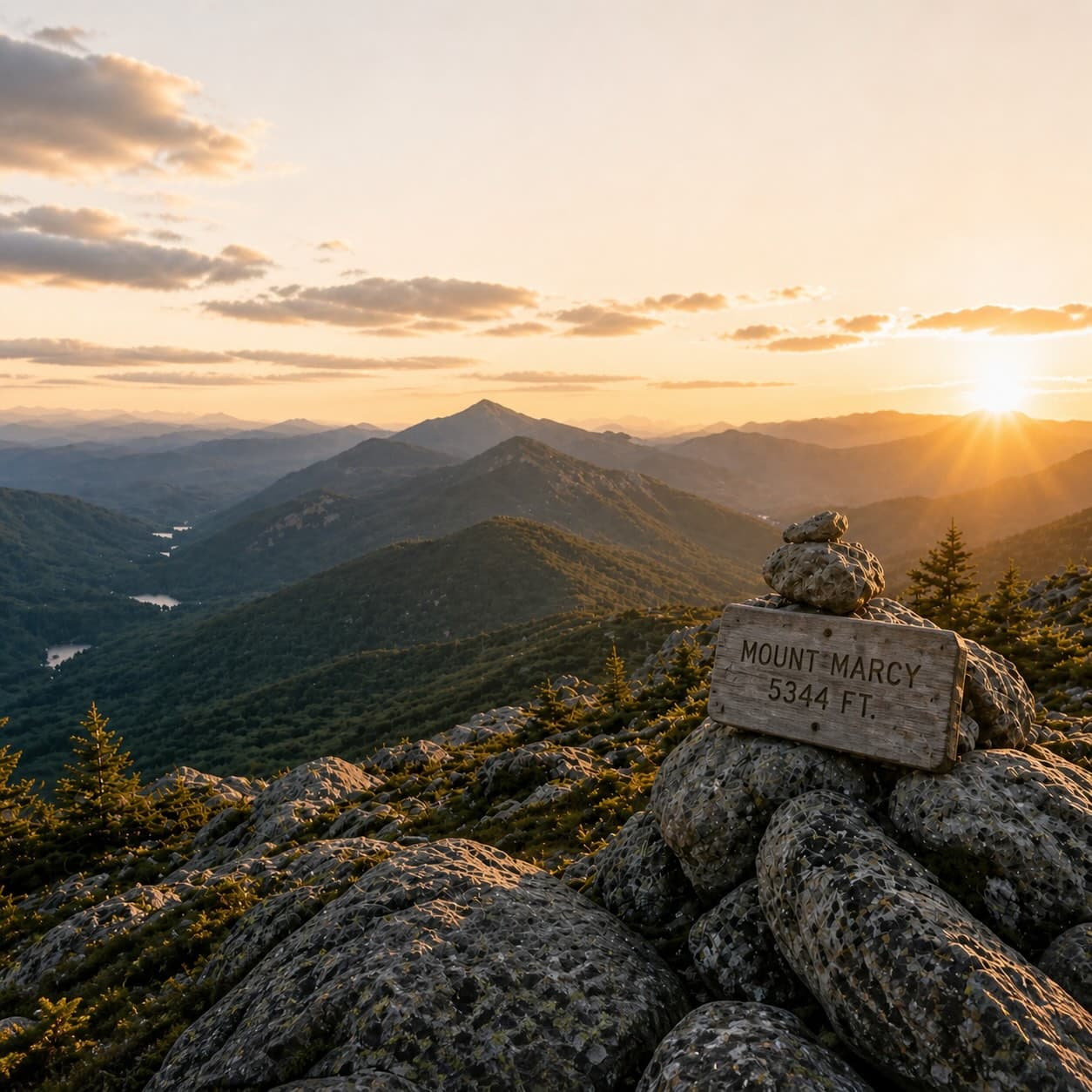
A complete planning guide: difficulty by peak, common combo days, seasonal realities, and a sortable, filterable table of every summit.
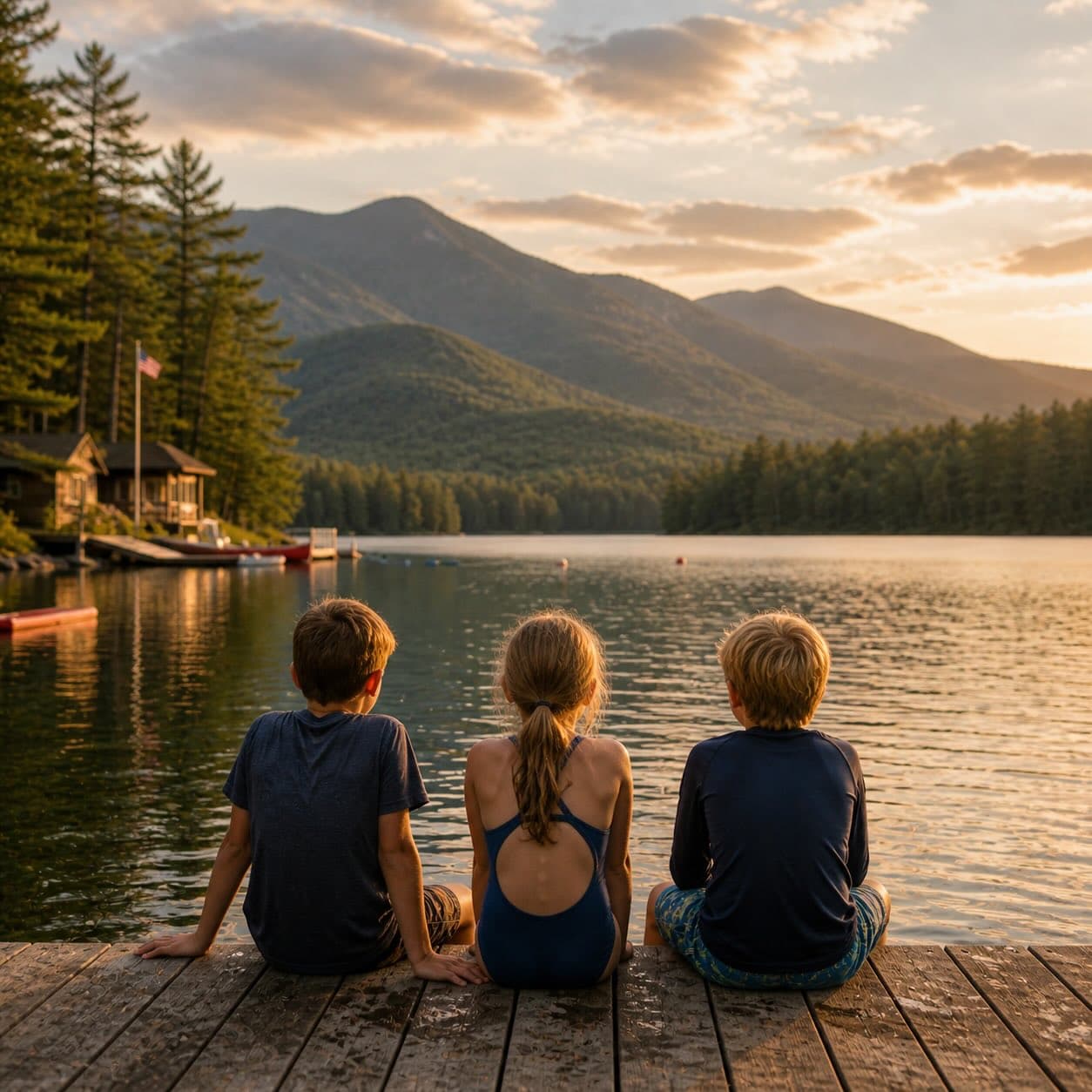
Overnight, day, and trip camps in the Park — the camp belt, choosing the right fit, costs and financial aid, ACA accreditation, and the questions every parent should ask before they commit.