
old logging Trail.
1-mile route follows what remains of an old logging corridor, part of the network of resource extraction paths that laced the Adirondacks through the late 19th and early 20th centuries. Many such trails have since been absorbed into the forest floor or repurposed for recreation.
- Family-friendlyShort, easy, and gentle enough for young legs
- Good for snowshoeingNon-technical grade that carries a snowshoe track
- Peak foliage window — color starts up high and works down the valleys through mid-October.
Seasonal pattern for this trail · tops out ~1,486 ft · live closures appear above
- GroundSurface
- User-createdStatus
Read the line before you walk it.
What the trailhead is doing today.
Where the hike begins.
Guides, outfitters & shuttles.
If you’re already out here.
Lake George.
The corner of the Park this trail calls home — its hamlets, waters, lodging, and the rest of its field record.
Read the Region→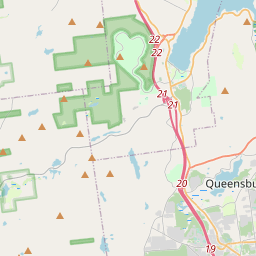
Make a weekend of it.
Closest editorial picks for a meal, a scoop, a pint, a bed, and a sight worth your time.
Eat.
4- Beyond the Sea2.5 mi
An upscale fine dining establishment offering a sophisticated menu of meticulously prepared dishes in the Lake George region.
- Oscar's Smokehouse6.6 mi
Oscar's Smokehouse has been making fine smoked meats and cheeses for over 70 years in Warrensburg, NY.
- Canepa’s Pizza Shop6.7 mi
Canepa's Pizza Shop, formerly The Pizza Shop of Warrensburg, has been serving award-winning pizza since 2014. Featured on Rachael Ray and PMQ Magazine, they offer authentic Italian hospitality with family recipes and fine ingredients.
- Deli & Meat Store of the North6.7 mi
Deli & Meat Store of the North is a long-standing deli, meat market, and grocery store in Warrensburg, NY, known for its fresh meats, famous 18-inch subs, daily hot items, all-day breakfast, pizza, and catering services.
Sip.
3- Caffe Vero10.5 mi
Breakfast, baked goods, sandwiches & house-roasted coffee in a comfy, earth-toned cafe.
- 9 Mile Coffee Co18.2 mi
9 Mile Coffee Co. is a coffee shop in downtown Schroon Lake, NY, serving a variety of coffees, teas, smoothies, sandwiches, and soups. They also sell their custom coffee blends and gift cards online.
- Cupola Crepes18.3 mi
Family-run creperie at 1095 Main Street in Schroon Lake. Sweet and savory crepes (gluten-free batter available), scones, coffee, and soft serve. Wednesday through Sunday.
Sweet.
4- Cate's Creamery2.8 mi
The main ice cream spot in the heart of Bolton Landing village on Lake George's quieter west shore — soft serve, hand-dipped hard ice cream, and slushies, a short stroll from the lakefront.
- Main Street Ice Cream Parlor7.3 mi
Create a free link in bio with Bio Sites by Squarespace. Showcase your links, earn money, and grow your brand online, all with one link.
- Crossroads Ice Cream7.7 mi
The ice cream counter at The Crossroads, a country and outdoors store off I-87 Exit 25 in Chestertown between Schroon and Brant Lake — hard and soft ice cream on the road north.
- Scoop's Ice Cream Parlor10.4 mi
Scoop's Ice Cream Parlor in Lake George offers ice cream and frozen yogurt at inexpensive prices. Located at 327 Canada St, it provides take-out service and accepts credit cards.
Drink.
4- Crazy Loon Distillery4.6 mi
At the Crazy Loon Distillery, we produce high quality Adirondack inspired craft spirits that reflect the innovative nature and peaceful mindset of the North Country of New York. We offer a lineup of flavorful craft spirits inspired by the…
- Diamond Point Grille6.6 mi
Diamond Point Grille is a casual family restaurant located in Diamond Point, NY, on Lake George. It specializes as a fish and burger joint, serving simple comfort food made with local, affordable ingredients in a relaxed setting.
- Bandstand Brew Works6.7 mi
Bandstand Brew Works is a family-friendly brewpub in Warrensburg, NY, offering handcrafted beers, cocktails, and a diverse menu made with local ingredients. It's a community gathering spot known for live music, weekly events, and a vibrant…
- George Henry's6.9 mi
A family-owned bar and grill on Main Street in Warrensburg doing made-to-order American grill plates, hearty steak and chicken specialties, local craft beer, and fresh-baked breads from area bakeries. No fast food.
Stay.
4- The Sagamore Resort2.5 mi
Iconic Bolton Landing resort on Lake George with Donald Ross-designed golf, lakeside dining, spa, and classic summer-resort amenities.
- Boathouse Waterfront Lodging2.7 mi
Boathouse Waterfront Lodging is a historic, adults-only bed and breakfast located directly on the shores of Lake George in Bolton Landing, NY. It is the only lodging of its kind situated right on the water, offering a unique setting for ro…
- The Lodges at Bolton Landing3.5 mi
A collection of lodges on Lake George's Northwest Bay, providing direct water access with complimentary boats and a renovated pool area.
- Blue Water Manor3.7 mi
Rustic mountain lodge offers log cabins, cottages & rooms plus lake views & a picnic area.
See.
4- Bolton Historical Museum2.6 mi
The Bolton Historical Museum, located on the shores of Lake George in Bolton Landing, educates visitors about the history of Bolton, Lake George, and the surrounding region.
- Godwin Preserve4.5 mi
Godwin Preserve in the Town of Bolton offers two hiking trails totaling 112 acres, with moderate difficulty. The Yellow Trail provides views of Amy's Park wetlands and High Nopit, while the Red Trail connects to Pole Hill Pond Preserve.
- Tour Boat Lake George at Blue Lagoon Resort6.8 mi
Tour Boat Lake George at Blue Lagoon Resort offers private guided boat tours of Lake George on a 24-foot bowrider motorboat. Guests enjoy sightseeing, swimming, tubing, and cliff jumping with an experienced captain.
- Town of Horicon Museum7.6 mi
The Brant Lake Museum is housed in an 1890s farmhouse, featuring period furniture, clothing, tools, and photographs from the 19th and 20th centuries. It also includes a Carriage House with military and local hotel exhibits.
Add to the record.
Free, takes thirty seconds. Yours forever.
Every page on this site gets better when readers contribute. Mark a peak you’ve climbed, drop a photo, file a field note, or flag a correction — every addition makes the next visitor’s page better.
File a report.
Trail conditions, water level, bug pressure, blowdown. The kind of detail that helps the next person plan.
Write a field note →Spot something off?
Wrong elevation, outdated access notes, a coordinate that's drifted. We'd rather hear it than miss it.
Suggest an edit →
Frequently asked.
- How long is the old logging Trail?The old logging Trail is approximately 1.10 miles (1.8 kilometers) — a short out-and-back suitable for most fitness levels.
- How long does it take to hike the old logging Trail?Most hikers complete the old logging Trail in about 45 minutes at a steady pace with roughly 341 feet of elevation gain. Allow extra time for rest stops, photos, weather, and trail conditions.
- How difficult is the old logging Trail?Based on its length and elevation gain, the old logging Trail is an easy hike (341 ft of climbing over the route) — gentle grades suitable for most fitness levels and families. This is an estimate from route data, not an official trail rating — check current DEC advisories before heading out.