

Little Moose Pond Trail.
Winding through mixed forest for just under three kilometers, this trail leads to a small, secluded pond that offers quiet refuge from the more traveled routes of the region. The path is reported to be relatively gentle, making it accessible to hikers seeking a shorter woodland walk, and the pond itself often holds brook trout, though current NYSDEC regulations apply.
- Good for snowshoeingNon-technical grade that carries a snowshoe track
Seasonal pattern for this trail · tops out ~2,402 ft · live closures appear above
- lwnNetwork
Read the line before you walk it.
What the trailhead is doing today.
Where the hike begins.
What the route itself carries.
Summits reached, waters touched, and the lean-tos along the way — read it like a cue sheet, mile posts ascending.
Guides, outfitters & shuttles.
If you’re already out here.
Speculator.
The corner of the Park this trail calls home — its hamlets, waters, lodging, and the rest of its field record.
Read the Region→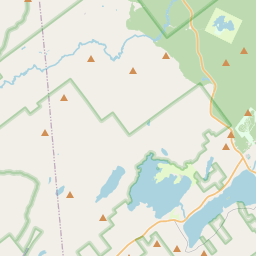
Make a weekend of it.
Closest editorial picks for a meal, a scoop, a pint, a bed, and a sight worth your time.
Eat.
4- Oxbow Inn7.6 mi
Oxbow Inn is a welcoming restaurant and bar in Lake Pleasant offering great pizza, local beef burgers, and a wide selection of 16 draft beers. Enjoy casual dining, live music, and an outdoor deck with fire pits and lake views.
- Firetower Pizza8.9 mi
Hand-tossed pizzeria in Speculator with specialty pies named after Adirondack peaks (Mt Marcy, Snowy Mountain, Whiteface). Wings, baked ziti, white clam pie. Cozy waiting area with retro jukebox and arcade.
- Charlie Johns Store9.0 mi
Opened in 1939, Charlie Johns Store is Speculator's anchor general store — 12,000 square feet of full grocery selection, produce, fresh meats, a full deli, bakery, and hardware. Purchased from Charlie Johns in 1971 by Dean Lane, the Lane family has owned and operated it since.
- Seventh Lake House17.8 mi
Rustic space with a lake view preps classic & contemporary American dishes from seasonal goods.
Sip.
4- The PERKS of Speculator9.2 mi
Speculator coffee shop and bakery at 2855 NY-30. Specialty coffee, espresso, fresh-baked bagels and pastries, plus breakfast and lunch sandwiches. Gluten-free options across the bakery case.
- Uncle Carl's Coffee15.5 mi
Uncle Carl's Coffee serves expertly crafted coffees, artisan teas, pastries, and light savory bites. They also offer daily quiche and bagels, along with homemade soups, frozen meals, local meats, and cheeses.
- Tamarack Cafe19.6 mi
Tamarack Cafe in downtown Inlet serves a wide variety of breakfast and lunch options, from traditional favorites and specialty bowls to creative salads, sandwiches, and burgers. The cafe also features an 18-hole mini-golf course.
- Blue Line Coffee House19.7 mi
Blue Line Coffee House offers Adirondack-inspired apparel, handcrafted mugs, and mountain-themed gifts, along with pre-packaged coffee and coffee accessories. Products are available for nationwide shipping, and local customers can order dr…
Sweet.
4- Speculator Creamery9.0 mi
A family-run village creamery anchoring Speculator's tiny downtown near Lake Pleasant — a genuine community summer hub. Wide-ranging soft-serve flavors, the 16oz Nor'Easter blend, and hand-dipped hard ice cream. Roughly May through September.
- Northern Lights Creamery Inc.19.1 mi
An Inlet institution for 40-plus years, a short walk from Arrowhead Park on Fourth Lake — soft serve, homemade gelato, floats, flurries, and specialty sundaes.
- Benny’s Ice Cream24.9 mi
A family-run, locally loved scoop shop on Old Forge's Main Street — hand-scooped hard flavors and soft serve.
- Pied Piper24.9 mi
A circa-1950s soft-serve and frozen-custard stand locals treat as a permanent fixture — the walk-up window after a day on the Fulton Chain or at the water park. Three daily soft-serve flavors plus around 20 hard flavors.
Drink.
4- Acorn Pub & Eatery at Oak Mountain9.0 mi
Acorn Pub & Eatery is a dining option at Oak Mountain, offering a place to eat and drink.
- Lemon Tree Brewery9.2 mi
Lemon Tree Brewery is a brewery and taproom located in Speculator, NY, steps from Lake Pleasant. It offers house brews like SASQUATCH HAZY IPA and Blueberry Wheat, along with other local NY State micro-brewed beers and wines in a relaxed s…
- Indian Lake Restaurant, Tavern and Liquor Store21.7 mi
Indian Lake Restaurant, Tavern and Liquor Store offers a full bar with an extensive bottle selection and local drafts, alongside a menu featuring appetizers, sandwiches, and entrees. The restaurant is currently closed for mud season and wi…
- Daiker's22.5 mi
Daikers is an Adirondack pitstop in Old Forge, NY, offering seasonal and local dining with a deck overlooking Fourth Lake. Their caring and committed staff ensure a fantastic experience for guests.
Stay.
4- The Inn on Piseco Lake6.2 mi
Established in 1892 as the Irondequoit Inn, the historic Inn on Piseco Lake is a 600-acre lakefront retreat in the Hamilton County hamlet of Piseco — nine guest rooms, two-bedroom cabins that sleep six, beachfront and wooded campsites, and a restaurant open to the public. The Northville-Placid Trail crosses nearby. A rare survivor of the late-19th-century Adirondack hotel era.
- Moffit Beach Campground7.0 mi
A 247-site DEC campground on Sacandaga Lake near Speculator at 1,730 feet elevation, with flat well-wooded sites under white pines and hardwoods. Pets allowed on a 6-foot leash.
- Wilbur's Cottages7.1 mi
Secluded housekeeping cabins on Sacandaga Lake in the Adirondacks. Sandy beach, dock, boats. Swimming, boating, fishing, hiking, fireplaces.
- Moffitt Beach State Campground7.6 mi
This popular state campground offers 260 sites among tall white pines, with many enjoying direct access to Sacandaga Lake for fishing, boating, and swimming.
See.
4- Speculator Historical Museum8.9 mi
A small local-history museum on Route 8 in Speculator inside the original Lake Pleasant Town Hall and Library. Open weekends Memorial Day through August, plus weekday hours in summer.
- Ampersand Christine Falls11.5 mi
Ampersand Energy LLC.
- Great Camp Sagamore16.4 mi
Great Camp Sagamore is a historic Adirondack Great Camp offering multi-day programs, overnight stays, and daily activities focused on history, arts, outdoor recreation, and wellness.
- Raquette Lake Navigation Cruise20.0 mi
Raquette Lake Navigation Company offers dining, sightseeing, and special event cruises on Raquette Lake in New York. This family-owned and operated business has been providing scenic experiences aboard the W.W. Durant since 1991.
Add to the record.
Free, takes thirty seconds. Yours forever.
Every page on this site gets better when readers contribute. Mark a peak you’ve climbed, drop a photo, file a field note, or flag a correction — every addition makes the next visitor’s page better.
Add a shot.
Sunrise on the dock, a cairn at the summit, a bend on the trail. Your camera roll, our archive.
Add a photo →File a report.
Trail conditions, water level, bug pressure, blowdown. The kind of detail that helps the next person plan.
Write a field note →Spot something off?
Wrong elevation, outdated access notes, a coordinate that's drifted. We'd rather hear it than miss it.
Suggest an edit →
Frequently asked.
- How long is the Little Moose Pond Trail?The Little Moose Pond Trail is approximately 1.66 miles (2.7 kilometers) — a short out-and-back suitable for most fitness levels.
- How long does it take to hike the Little Moose Pond Trail?Most hikers complete the Little Moose Pond Trail in about 1 hour at a steady pace with roughly 495 feet of elevation gain. Allow extra time for rest stops, photos, weather, and trail conditions.
- How difficult is the Little Moose Pond Trail?Based on its length and elevation gain, the Little Moose Pond Trail is a moderate hike (495 ft of climbing over the route) — steady climbing that rewards a reasonable base of fitness. This is an estimate from route data, not an official trail rating — check current DEC advisories before heading out.