The Trout River winds through the northwestern corner of the park, flowing north from its headwaters in the Franklin Falls area toward the St. Regis River drainage — a tributary system that rarely makes the itinerary but holds genuine backcountry quiet. Access is scattered: old logging roads, informal put-ins, and a handful of bridge crossings on county routes that locals know and visitors don't. The river runs cold through mixed hardwood and softwood stands, and while no fish data is on file, the name suggests the obvious historical presence. This is working-forest country, not High Peaks country — fewer trailheads, more gravel roads, and the kind of solitude that comes from being off the standard loop.
Free, takes thirty seconds. Yours forever.
Every page on this site gets better when readers contribute. Mark a peak you’ve climbed, drop a photo, file a field note, or flag a correction — every addition makes the next visitor’s page better.
Sunrise on the dock, a cairn at the summit, a bend on the trail. Your camera roll, our archive.
Add a photo →Trail conditions, water level, bug pressure, blowdown. The kind of detail that helps the next person plan.
Write a field note →Wrong elevation, outdated access notes, a coordinate that's drifted. We'd rather hear it than miss it.
Suggest an edit →No vacation rentals listed nearby yet.
Cabins, camps, and lakefront rentals appear here as the directory grows. Check back soon.
Have a rental? List yours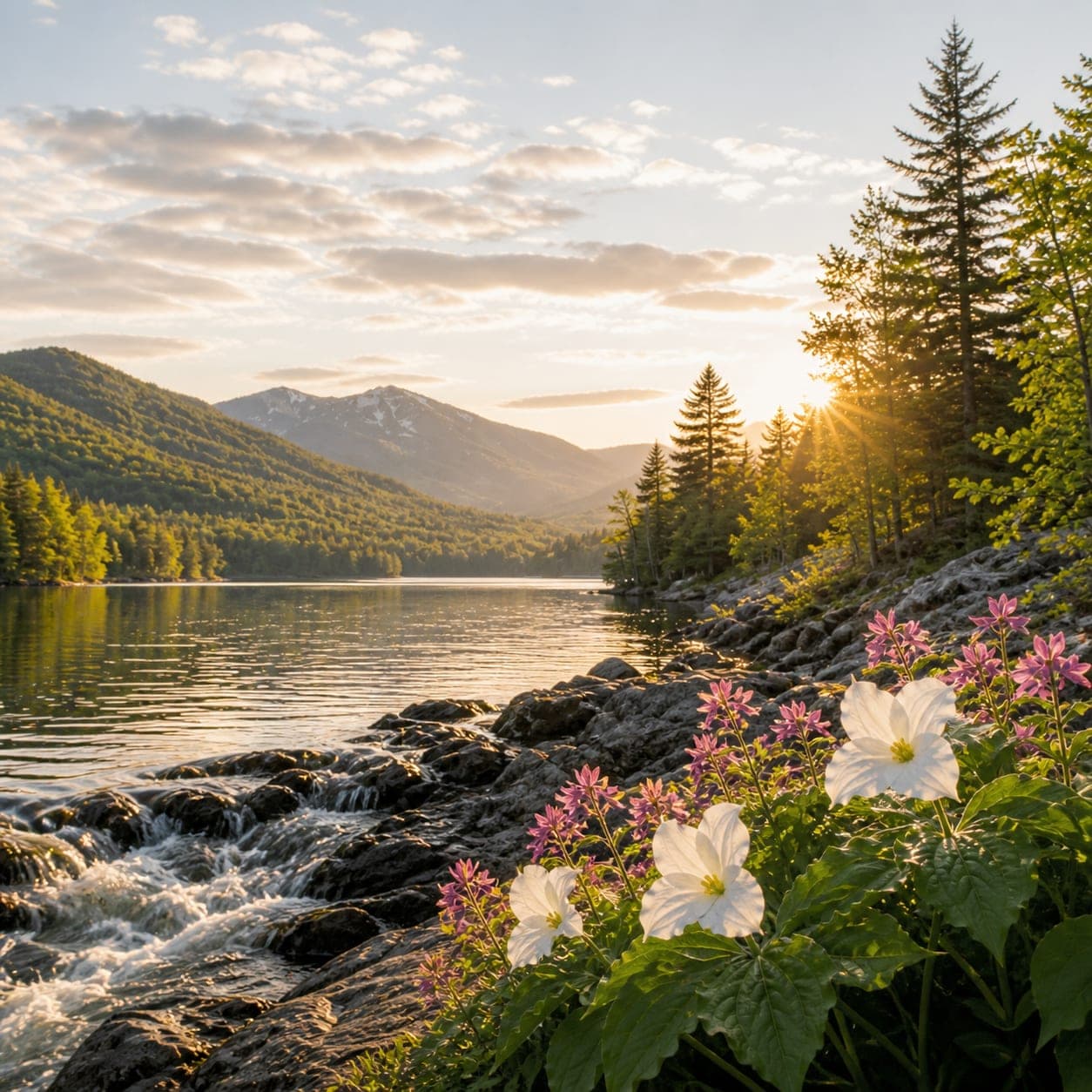
What to do, where to stay, and what's reopening across the Park as the snow melts and the calendar fills.
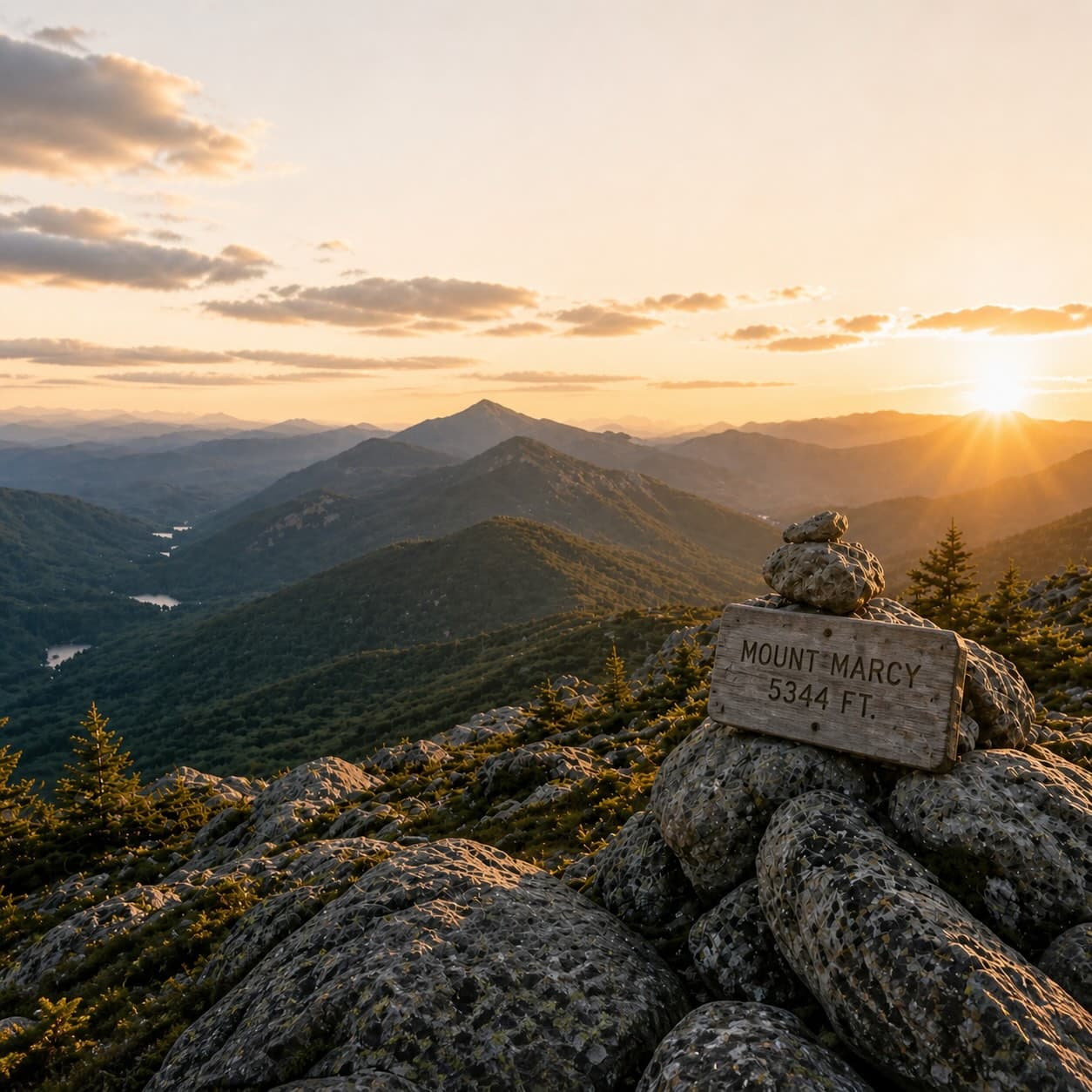
A complete planning guide: difficulty by peak, common combo days, seasonal realities, and a sortable, filterable table of every summit.
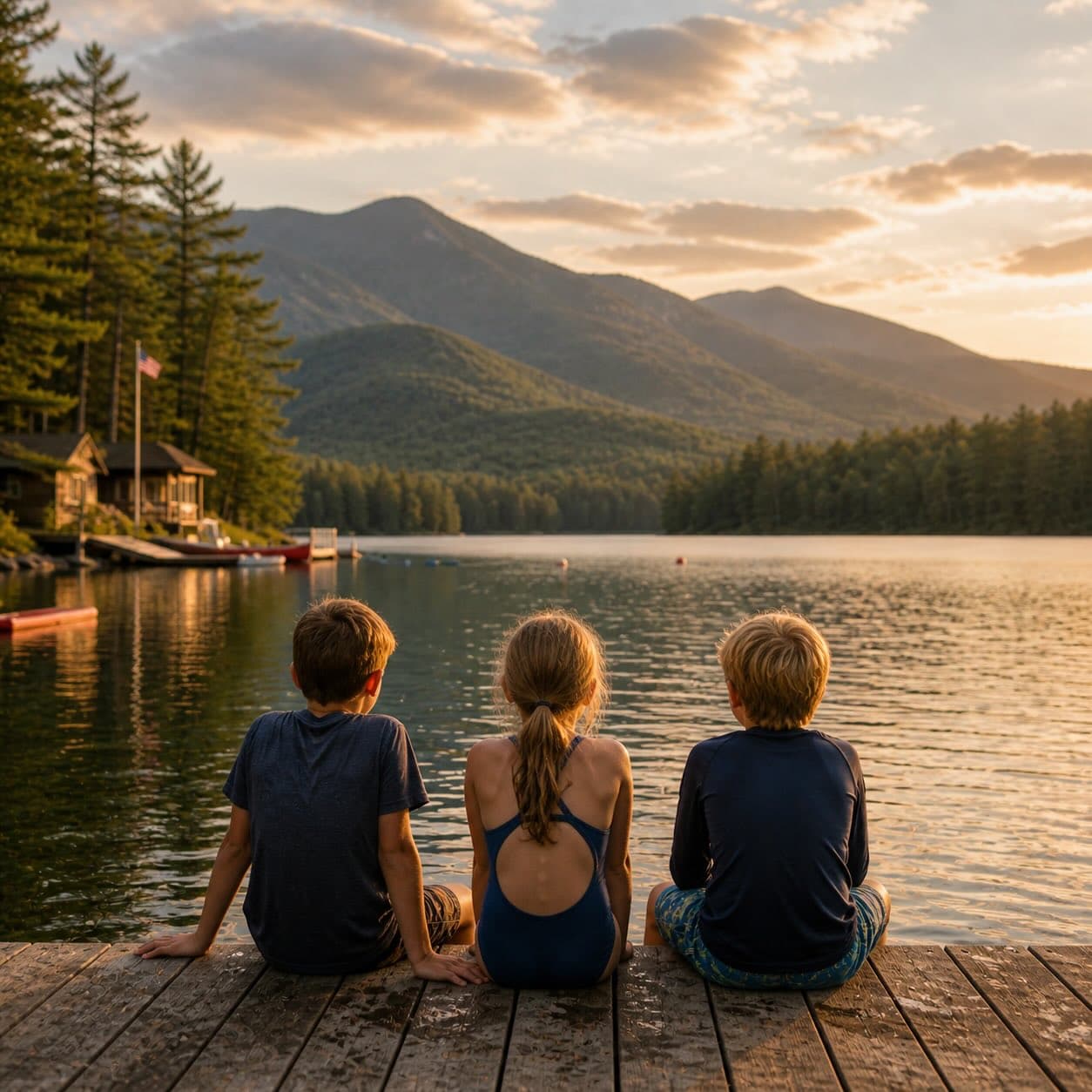
Overnight, day, and trip camps in the Park — the camp belt, choosing the right fit, costs and financial aid, ACA accreditation, and the questions every parent should ask before they commit.