The Deer River drains north from the Cranberry Lake Wild Forest through a low-relief corridor of second-growth hardwood and wetland — one of the quieter tributaries in the northern Adirondacks, more often crossed than paddled. The river feeds into the Raquette River system and eventually Tupper Lake, passing through a mix of private land and state forest with limited formal access points. It's the kind of water that shows up on a topo map more than in a trip report — beaver meadows, alder thickets, and seasonal flow that makes late spring or early summer the only practical window for a flatwater paddle. No maintained put-ins, no lean-tos, no marked trails along the banks.
Free, takes thirty seconds. Yours forever.
Every page on this site gets better when readers contribute. Mark a peak you’ve climbed, drop a photo, file a field note, or flag a correction — every addition makes the next visitor’s page better.
Sunrise on the dock, a cairn at the summit, a bend on the trail. Your camera roll, our archive.
Add a photo →Trail conditions, water level, bug pressure, blowdown. The kind of detail that helps the next person plan.
Write a field note →Wrong elevation, outdated access notes, a coordinate that's drifted. We'd rather hear it than miss it.
Suggest an edit →No vacation rentals listed nearby yet.
Cabins, camps, and lakefront rentals appear here as the directory grows. Check back soon.
Have a rental? List yours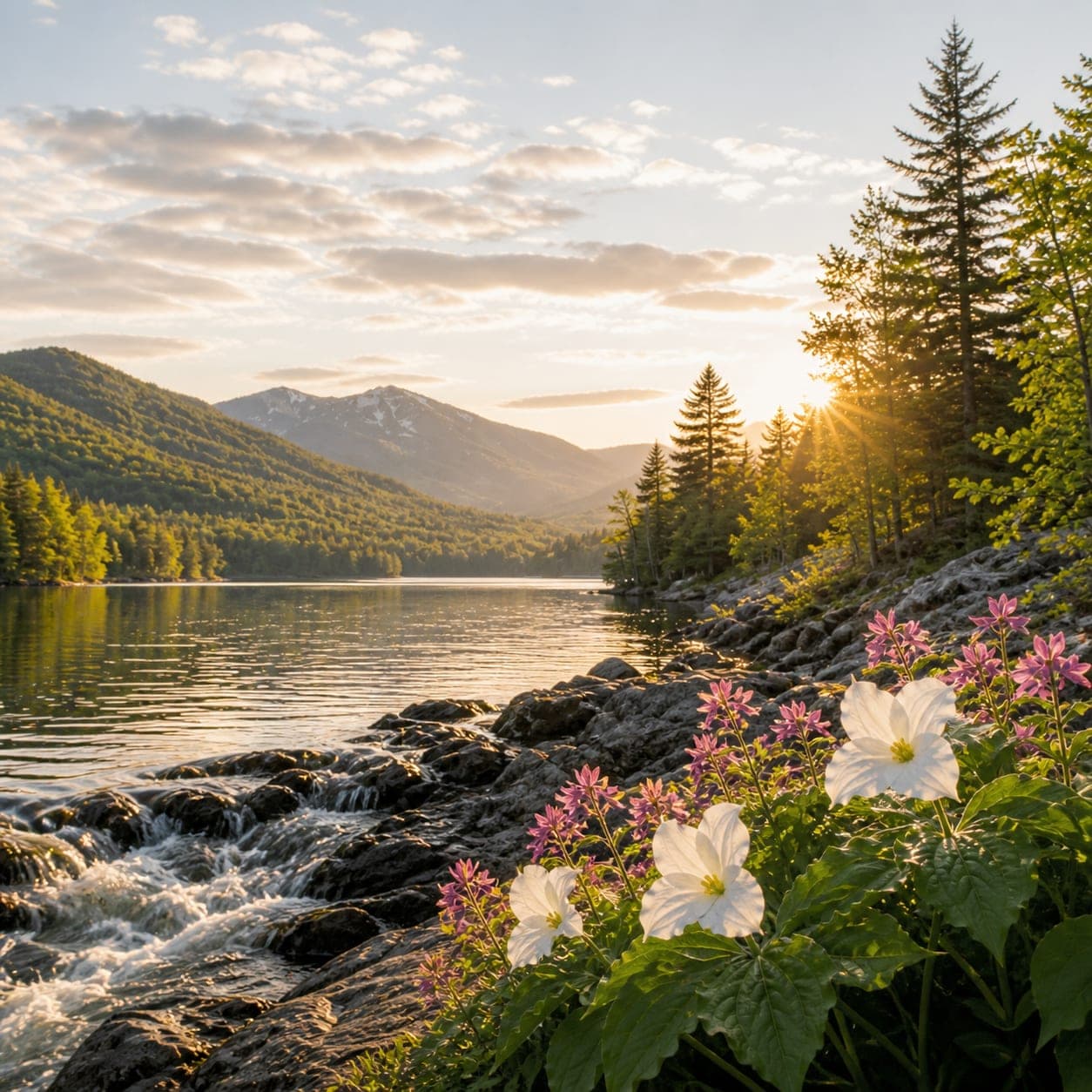
What to do, where to stay, and what's reopening across the Park as the snow melts and the calendar fills.
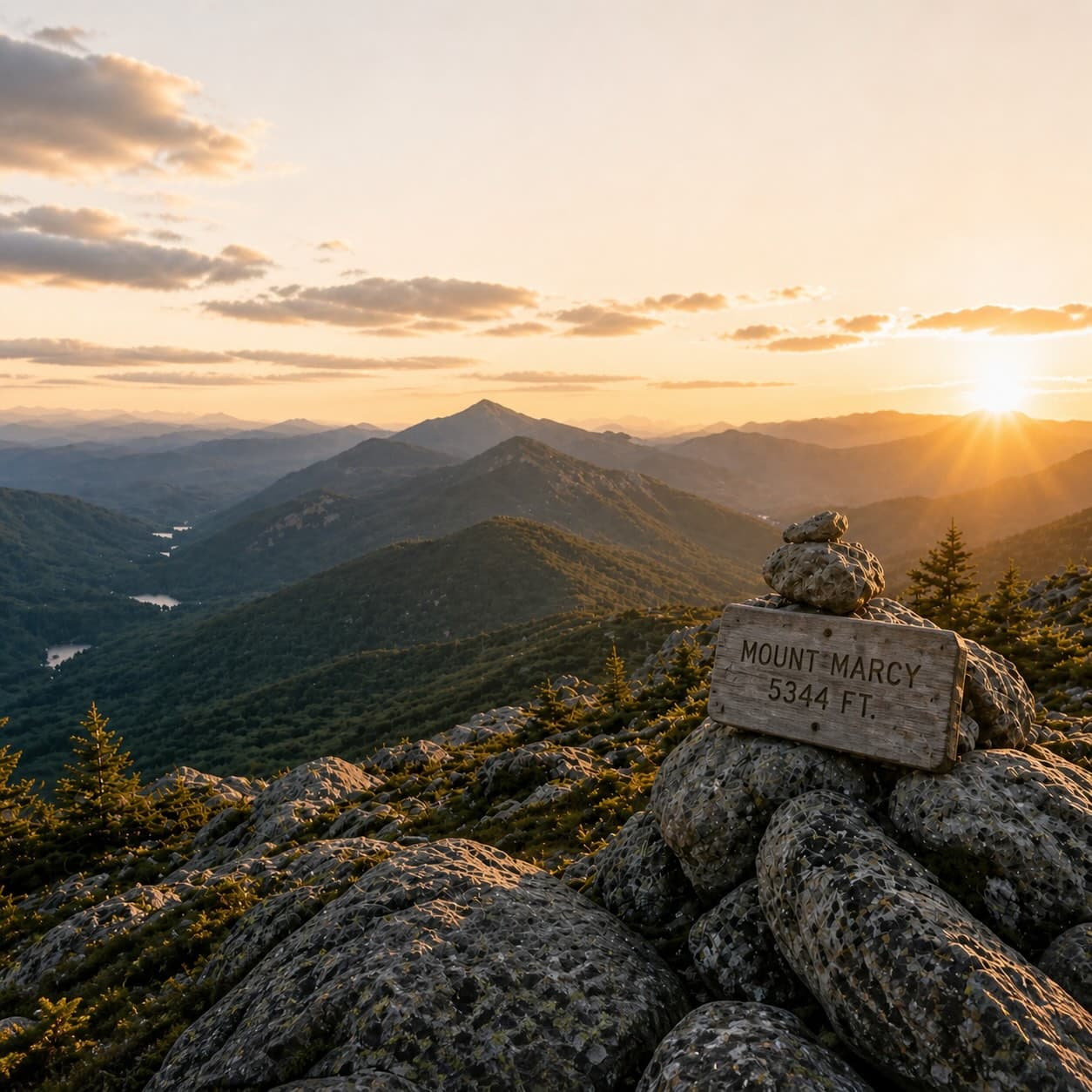
A complete planning guide: difficulty by peak, common combo days, seasonal realities, and a sortable, filterable table of every summit.
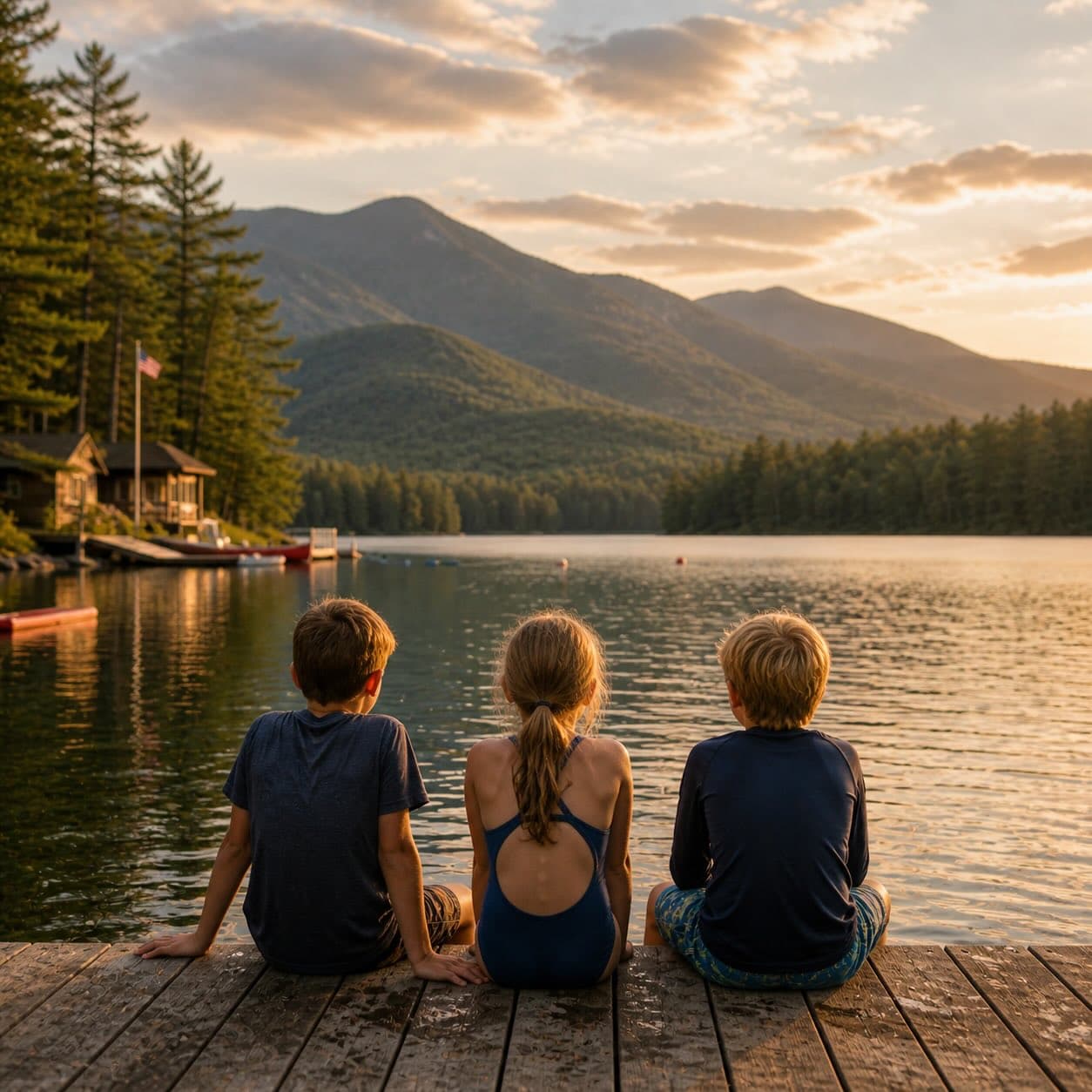
Overnight, day, and trip camps in the Park — the camp belt, choosing the right fit, costs and financial aid, ACA accreditation, and the questions every parent should ask before they commit.